+86 13600513715


Choosing a reliable supplier matters when aeration performance affects energy use, treatment stability, and maintenance schedules. A Tubular Membrane Diffuser transfers air through flexible membranes, creating bubbles that support oxygen transfer in wastewater treatment systems. Its real-world performance depends on more than the product description. Membrane material, pore consistency, operating pressure, airflow range, and installation conditions all deserve careful review.
This guide introduces ten manufacturers in China and offers a practical starting point for comparing their products and capabilities. It considers product range, manufacturing experience, quality controls, customization options, technical documentation, and customer support. Buyers should also ask for relevant test data, operating guidance, warranty terms, and replacement-part information. Details matter. A diffuser that appears suitable on paper may perform differently in a particular tank or under changing water conditions.
The comparison is not a universal ranking. Public product information can vary in depth, and supplier capabilities may change over time. That limitation is worth remembering. Before requesting a quotation, confirm specifications directly with the manufacturer and explain the project’s airflow, water depth, and installation needs. Clear questions can reveal whether a supplier understands the application or is simply presenting a standard catalog. This overview aims to make that first review more focused, while leaving room for independent checks and project-specific judgment.
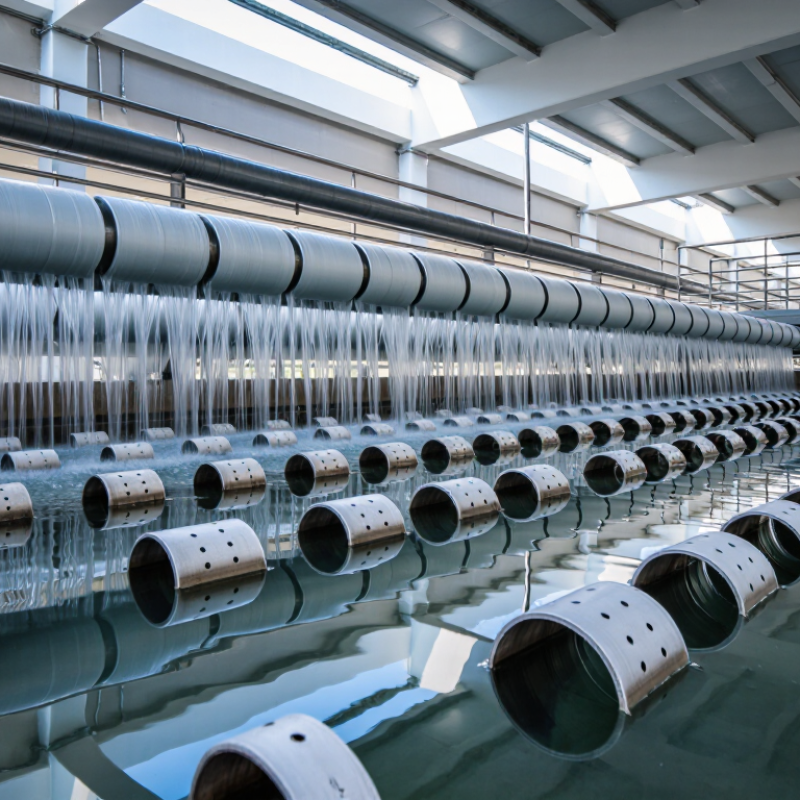
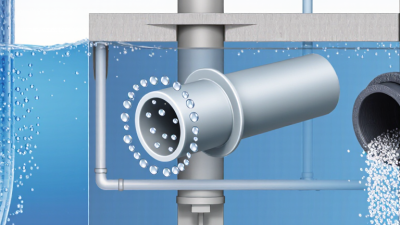
A tubular membrane diffuser typically has a perforated support tube wrapped in a flexible, porous membrane. Air passes through small openings and forms fine bubbles, often around 1–3 mm under suitable operating conditions. Smaller bubbles provide more surface area for oxygen transfer, but the measured size depends on airflow, water depth, and wastewater properties. Real-world readings can be messier than catalog figures.
EPDM is widely used because it is flexible and handles many wastewater applications. Silicone may suit some operating conditions, while other elastomers offer different balances of durability and chemical resistance. The membrane’s pore pattern matters, too: uneven pores can create larger bubbles or uneven airflow. Check compatibility with the wastewater and review operating data, not just material names. A diffuser can look sound and still foul over time.
Tips: Keep airflow within the specified range. Inspect for clogged pores, cracks, and uneven bubbling. Compare performance at consistent water depth; otherwise, results may mislead.
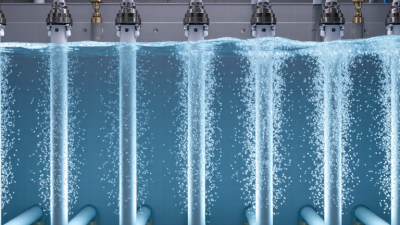
At 4–6 m submergence, tubular membrane diffusers may achieve a clean-water SOTE of roughly 20–40%. This is a useful screening range, not a guaranteed result. SOTE measures the share of oxygen transferred from supplied air under defined test conditions. Greater depth gives bubbles more contact time, but airflow, diffuser layout, pore condition, and tank geometry also affect performance.
Small details matter: uneven spacing can leave quiet zones between diffuser rows.
The U.S. EPA’s Design Manual: Fine Pore Aeration Systems (1989) discusses oxygen-transfer performance and the effects of operating conditions. ASCE/EWRI 2-06 sets out methods for measuring oxygen transfer in clean water. These references help explain why supplier figures should be compared on the same test basis. Check submergence, airflow per diffuser, water temperature, and test procedure before comparing quoted SOTE values.
Clean water is not wastewater. Surfactants and process conditions can lower transfer in service, sometimes substantially. A sensible design leaves room for that gap; the exact allowance deserves site-specific review.
Short version: verify the test.
Comparing China’s top tubular membrane diffuser manufacturers requires more than checking catalog airflow. Request airflow per diffuser, operating pressure, and oxygen transfer efficiency at the same immersion depth and water conditions. A supplier’s clean-water result may not match a wastewater basin. Organic loading, temperature, and diffuser fouling all change performance.
The U.S. EPA’s 2010 Nutrient Control Design Manual notes that aeration can consume about half of a wastewater treatment plant’s energy. That makes pressure loss commercially important: higher resistance can increase blower demand, even when initial oxygen transfer looks strong. Ask for pressure-loss curves across the proposed airflow range, not just one operating point. Small print matters.
For a fair OTE comparison, specify testing under the ASCE/EWRI Standard 2-06 procedure, then request the test depth, airflow density, and correction factors. Compare standard oxygen transfer efficiency alongside pressure loss and airflow stability. A high OTE figure alone can mislead. I would also check whether the supplier reports aged-membrane results, since clean, new membranes may not represent years of operation. One gap remains: published figures often use different test conditions, so a direct ranking can be less reliable than a matched pilot test.
A useful China Top 10 comparison should examine what each manufacturer actually makes: fine-bubble tubular diffusers, coarse-bubble units, replacement membranes, and mounting hardware. Materials commonly include EPDM, silicone, and polyurethane; the right choice depends on wastewater chemistry, temperature, and cleaning routines. Ask for membrane thickness, pore specifications, oxygen-transfer test conditions, and service-life evidence—not just a catalogue. Small details matter. The World Bank’s 2019 report, Wastewater: From Waste to Resource, estimates global wastewater generation at about 380 billion cubic metres annually, potentially reaching 470 billion by 2030. That scale makes dependable aeration equipment a practical procurement concern, not a minor specification.
Manufacturer profiles should state annual production capacity, shifts, lead times, and how capacity was verified. A large claimed output means little if membrane consistency or final inspection varies. Request batch records and test reports from production, plus details on moulding, perforation, and leak-testing processes. Materials and product range should be matched to the buyer’s application. Export profiles should identify destination regions, shipment experience, packaging, spare-part access, and technical support after installation. Treat export-market claims cautiously; public trade data may not reveal the actual end user or service quality. The U.S. EPA’s wastewater energy guidance identifies aeration as a substantial energy load, so compare diffuser performance under stated test conditions. One comparison rarely tells the whole story.
When comparing tubular membrane diffuser manufacturers in China, begin with the wastewater itself. A unit suited to clean municipal wastewater may behave differently in oily, saline, or high-solids streams. Ask for membrane material data and test conditions, not just a general compatibility claim. Small details matter. Check whether the supplier has experience with similar wastewater and can explain how temperature, chemicals, and solids affect membrane flexibility.
Energy use depends on more than the diffuser. Request pressure-loss data at the airflow your process actually needs, then compare it with blower operating conditions. A low advertised pressure loss is less useful if the test setup is unclear. Ask for test methods and operating ranges. Real plants are messy. Flow changes, and fouling may raise resistance over time, so design for normal variation rather than a perfect laboratory day.
Maintenance and service life deserve equal attention. Review access requirements, cleaning procedures, replacement intervals, and the availability of spare membranes. Ask how performance is evaluated after installation, including airflow balance and signs of clogging. A long stated lifespan is not a guarantee; wastewater chemistry and operating cycles can shorten it. I would also check whether maintenance assumptions are realistic for the site team. That point is easy to overlook, and I have seen plans look sound on paper but prove awkward in the field.