Leave Your Message

What Is a Disc Diffuser Aerator and How Does It Work?

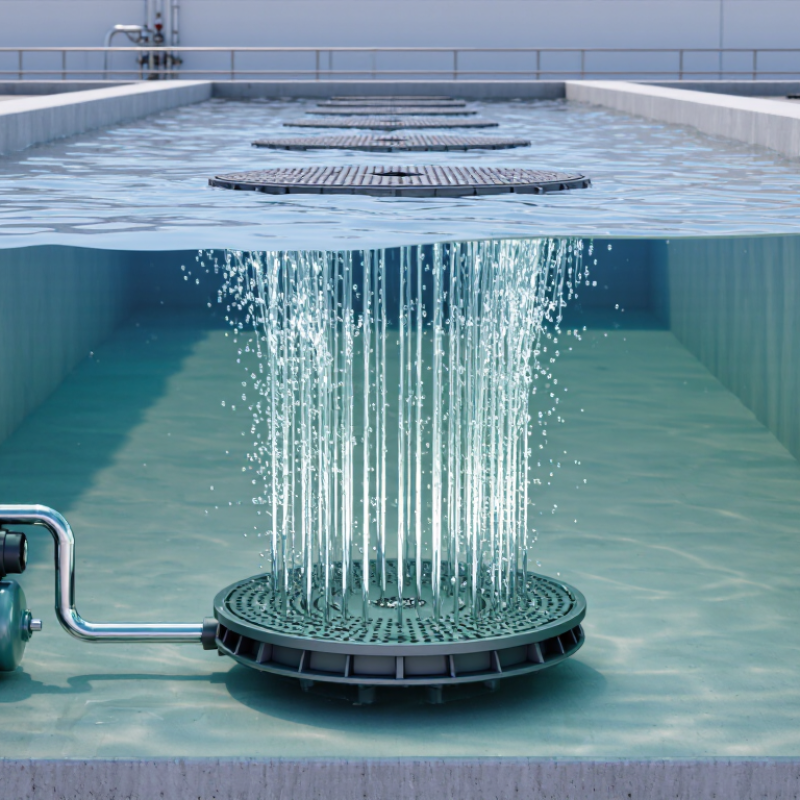
A Disc Diffuser Aerator is a compact device that transfers oxygen into wastewater through fine, flexible membranes. It usually sits near the tank floor. Air enters the diffuser, then escapes through thousands of tiny pores. Small bubbles rise slowly through the water. This creates more contact time between air and liquid.

The result is practical. Beneficial microorganisms receive oxygen for breaking down organic pollutants. Proper mixing also helps prevent sludge from settling in corners. Dr. George Tchobanoglous, a respected wastewater treatment authority, has emphasized that treatment must “protect public health and the environment.” That principle explains why diffuser selection matters beyond simple oxygen delivery.

A well-designed Disc Diffuser Aerator can improve oxygen transfer efficiency and reduce unnecessary blower energy. Yet performance depends on more than the membrane. Tank depth, airflow rate, wastewater chemistry, fouling, and diffuser spacing all influence results. A clean-water test may look excellent. Real wastewater can behave differently.

That difference deserves attention.

Operators often notice gradual pressure increases before visible damage appears. Grease, minerals, and biological growth can clog the pores. Routine inspection and airflow monitoring are therefore essential. The right system should match the basin, blower, loading pattern, and maintenance capacity. No single diffuser fits every plant.

This article explains how a Disc Diffuser Aerator works, what happens inside its membrane, and why bubble size affects treatment performance. It also considers practical limitations. Small design choices can produce large operating consequences.
What Is a Disc Diffuser Aerator and How Does It Work?

Disc Diffuser Aerator: Definition and Core Components

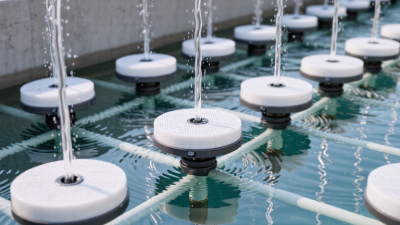
A disc diffuser aerator is a submerged device that transfers air into wastewater through a circular membrane. It produces many small bubbles near the tank bottom. These bubbles rise slowly, increasing contact time between air and water. The process supports microorganisms that need dissolved oxygen to break down organic pollutants.

Its core components include a flexible membrane, a rigid support plate, an air connector, and a distribution header. The membrane usually contains fine perforations. When air pressure increases, these openings release bubbles. When the airflow stops, the membrane closes and helps prevent water from entering the air piping. The support plate keeps the disc stable, while the connector joins it to the header. Airflow, bubble size, water depth, and fouling all influence oxygen transfer. In field inspections, uneven bubbling often signals blocked holes, damaged membranes, or poor air distribution. Still, visual checks alone can mislead. Dissolved oxygen readings are more dependable.

Tips: Check bubble patterns regularly. Clean membranes according to operating conditions, not a fixed guess. Confirm airflow with suitable meters. Inspect connectors for leaks and aging. A diffuser may look clean but perform poorly beneath the surface. That detail is easy to miss. Operators should compare oxygen readings, pressure changes, and maintenance records before adjusting the system.
How Air Enters and Moves Through the Aeration System

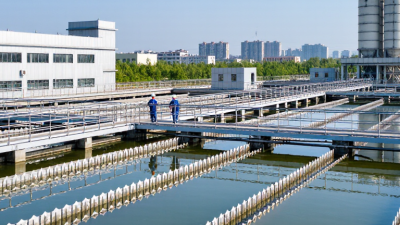
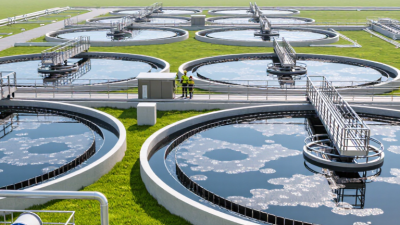
Air enters a disc diffuser aeration system through a blower, which pushes air into a main pipe. Branch lines carry it across the tank floor. Each disc connects to a branch through a fitting, so air reaches the diffuser from below. Pipe layout and pressure affect how evenly air is shared.

Inside the disc, air passes through a support plate and a porous membrane, often made from flexible material. Small openings spread the airflow across the disc surface. Bubbles form at these openings and rise through the water, creating contact between air and wastewater.

Small bubbles rise. Their movement also stirs the surrounding water, though circulation varies with tank depth and equipment placement.

The airflow is not always perfectly even. A partially blocked membrane, uneven pressure, or a loose connection can make some discs release fewer bubbles than others. During operation, an observer may notice quiet patches beside areas of vigorous bubbling. That pattern deserves attention, but it does not identify the cause by itself. Bubble size and distribution can also change as membranes age or operating conditions shift. I would not judge performance from surface bubbles alone; pressure readings and routine inspection add useful context.

The Role of Fine Bubbles in Oxygen Transfer

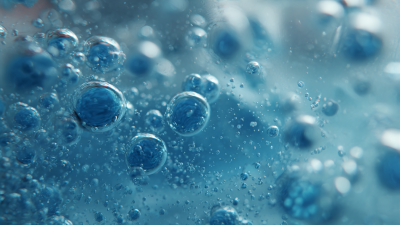
A disc diffuser aerator releases air through a porous membrane near the bottom of a tank. Its small openings form many fine bubbles that rise through the water. Each bubble presents a large surface area relative to its volume. That matters. Oxygen can cross the bubble’s surface and dissolve into the surrounding water.

Fine bubbles usually rise more slowly than coarse bubbles, giving them more time to transfer oxygen before reaching the surface. The transfer also depends on the oxygen difference between air and water. When dissolved oxygen is low, that difference can encourage faster transfer. In a working tank, water depth, temperature, and mixing all affect the result. A dissolved oxygen probe can help operators see what is happening, rather than relying on bubble appearance alone.

Smaller is not automatically better. Fine bubbles may merge, and a membrane can collect deposits that change airflow and bubble size. Wastewater solids or surface-active substances can also affect transfer. I would not treat “fine” as a guarantee. Check airflow, pressure, and dissolved oxygen over time, and inspect the diffuser when readings drift. One imperfect detail is that a clear-looking plume can still hide uneven oxygen distribution across the tank.

Installation Factors That Affect Aerator Performance

A disc diffuser aerator releases air through a porous membrane, creating bubbles that transfer oxygen into water. Its performance depends on more than diffuser quality. Installation depth matters: deeper placement increases contact time, but also raises backpressure and energy demand. Follow the system design and blower limits rather than choosing depth by guesswork. Keep discs level and secure on the support grid. A tilted disc can distribute air unevenly. Small details matter. Position units with consistent spacing, accounting for tank shape, flow paths, and areas where solids may settle. Avoid placing them behind baffles or close to walls unless the design allows it.

Check air headers and branch pipes for leaks before startup; even small leaks divert airflow. Support pipe runs and provide condensate drainage where the system requires it. Pressure gauges help confirm operating conditions. Open valves gradually and watch for uneven bubbling, vibration, or pressure changes. These are clues, not diagnoses. Water depth, temperature, fouling, and diffuser aging can also affect output. Record initial airflow and pressure as a baseline. During commissioning, inspect bubbles across the tank and adjust only within engineering limits. A clean installation drawing is reassuring, but actual tank conditions can disagree.

What Is a Disc Diffuser Aerator and How Does It Work?

Installation Factor: Submergence Depth

How to read this: Greater submergence increases the hydrostatic pressure an aerator must overcome. The bars show the water-pressure component only, calculated as approximately 9.81 kPa per metre of depth; actual operating pressure also includes diffuser and piping losses. Proper depth and airflow selection help achieve the required aeration performance.

Maintenance, Benefits, and Common Applications

A disc diffuser aerator releases compressed air through a porous membrane, creating many small bubbles in water. These bubbles transfer oxygen as they rise and help keep wastewater mixed. The disc sits near the tank floor, so air pressure and bubble patterns matter. Small details matter. A sudden change in airflow can point to clogging, a leak, or uneven distribution.

Routine maintenance helps preserve oxygen transfer and avoid unnecessary energy use. Operators can compare air pressure and flow readings with normal operating levels, then inspect the diffuser surface during scheduled tank access. Mineral scale, grease, and biological growth may block pores. Clean the membrane using the approved method for its material; aggressive chemicals or rough tools can damage it. Check nearby valves, filters, and piping too. I would not call these units maintenance-free; that sounds too neat. Water quality and operating conditions change the workload.

Disc diffusers are common in municipal and industrial wastewater treatment, equalization tanks, and some aquaculture systems. Fine bubbles can provide efficient oxygen transfer, though actual performance depends on water depth, diffuser spacing, and solids content. A clean diffuser in a poorly designed layout may still perform badly. That is worth remembering. Regular checks, clear maintenance records, and measured adjustments are more dependable than guessing from the appearance of bubbles alone.

What Is a Disc Diffuser Aerator and How Does It Work? - Maintenance, Benefits, and Common Applications

Topic Typical Information Practical Notes
What it is A disc diffuser is a submerged aeration device that releases air through small openings in a flexible membrane mounted on a rigid support plate. Disc diameters commonly range from about 200 to 300 mm, although sizes and designs vary by system.
How it works A blower supplies compressed air through piping to the diffuser. Air passes through membrane perforations and rises through the water as bubbles. As bubbles rise, oxygen transfers into the water. Mixing also helps keep suspended solids in motion.
Bubble type Most disc diffusers are designed for fine-bubble aeration; some systems use coarse-bubble diffusers for different mixing or process needs. Fine bubbles generally provide more air–water contact area, but actual oxygen transfer depends on water depth, wastewater characteristics, airflow, and diffuser condition.
Common membrane materials Flexible membranes are commonly made from materials such as EPDM, silicone, or polyurethane. Material selection should account for wastewater chemistry, temperature, oils, cleaning agents, and the operating environment.
Typical applications Municipal wastewater treatment, industrial wastewater treatment, equalization tanks, aerobic biological processes, and some aquaculture systems. The diffuser layout and air supply should be designed for the tank geometry and required process conditions.
Key benefits Distributed aeration, relatively efficient oxygen transfer under suitable conditions, modular installation, and compatibility with many tank layouts. Energy use depends substantially on blower efficiency, operating pressure, airflow control, water depth, and fouling.
Routine inspection Check airflow distribution, unusual bubbling patterns, air-header pressure, leaks, and signs of membrane or support damage. Compare operating readings with the system’s clean or commissioned baseline; changing pressure or uneven bubbling can indicate a problem.
Cleaning and fouling control Scale, biological growth, and solids can restrict membrane openings. Cleaning may involve approved chemical methods or other procedures specified for the system. Use the facility’s safety procedures and the diffuser material’s compatibility guidance. Avoid unapproved chemicals or excessive mechanical force.
Maintenance interval There is no universal cleaning or replacement interval; frequency depends on wastewater characteristics, operating hours, and observed performance. Use routine monitoring and the equipment’s maintenance instructions to determine when inspection, cleaning, or replacement is needed.
Common performance indicators Airflow, header pressure, dissolved oxygen, blower energy use, and the consistency of bubble distribution. Interpret measurements together: process demand and operating conditions can affect dissolved oxygen and pressure readings.
Important design considerations Tank depth, diffuser spacing, required oxygen demand, airflow range, pipe losses, wastewater composition, and access for maintenance. A qualified process or mechanical designer should size and arrange the system for the specific application.