China Top 10 Air Diffuser Manufacturers for Water Treatment
Wastewater treatment is becoming more demanding as cities expand and water resources tighten. The WHO and UNICEF Joint Monitoring Programme reported that 3.5 billion people lacked safely managed sanitation services in 2022. At treatment plants, aeration remains a major energy consumer. The U.S. Environmental Protection Agency indicates that aeration may represent 45–75% of a plant’s total energy use. Small equipment decisions can therefore create large operating differences.
This article examines China’s top 10 Air Diffuser For Water Treatment manufacturers. The comparison considers membrane materials, oxygen transfer performance, fouling resistance, airflow stability, operating pressure, certifications, and after-sales support. EPDM disc diffusers may suit many municipal systems. Silicone or PTFE options can perform better in selected industrial environments. The best choice depends on wastewater chemistry, basin depth, blower control, and cleaning practice.
George Tchobanoglous, a leading wastewater engineering authority, wrote, “The objective of wastewater treatment is to produce an effluent that can be discharged without causing harm to the receiving environment.” That principle still matters when comparing suppliers. A diffuser is not merely a perforated membrane. It influences bubble size, oxygen use, maintenance intervals, and sludge-process stability. Laboratory data can look impressive. Field performance may differ. Some published rankings also remain imperfect because manufacturers report test conditions differently. Readers should verify independent references, full-scale installations, warranty terms, and lifecycle costs before purchasing. This guide offers a practical starting point, not a substitute for site-specific engineering.
Air Diffusers in Water Treatment: Types, Functions, and Applications
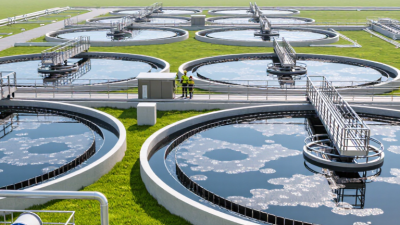
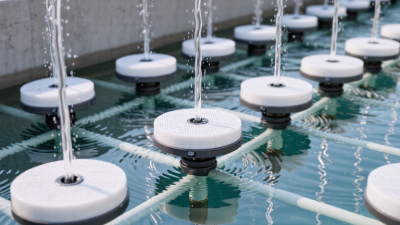
Air diffusers help transfer oxygen into wastewater while keeping solids suspended. Fine-bubble diffusers release small bubbles, creating more surface area for oxygen transfer. They are common in activated-sludge tanks, where steady aeration supports biological treatment. Coarse-bubble diffusers produce larger bubbles and stronger circulation. They can suit grit chambers, equalization tanks, and processes where mixing matters more than oxygen efficiency.
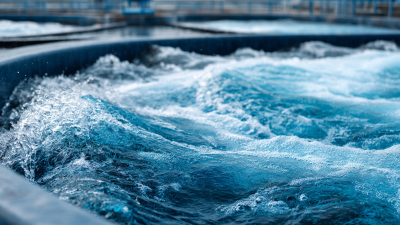
Materials and layouts affect performance. Membrane diffusers, often made with flexible elastomers, can distribute air across a tank floor. Ceramic units resist some harsh conditions but may need careful handling. A grid with evenly spaced diffusers can reduce dead zones, though tank geometry and airflow still matter. Watch the water surface. Uneven bubbling may signal blocked openings, damaged membranes, or poor air distribution.
In operation, airflow should match the treatment load rather than run at one fixed setting. Too little air can limit biological activity; too much wastes energy and may disrupt settling. Operators can check blower pressure, dissolved oxygen readings, and visible bubble patterns together. No single indicator tells the whole story. Fouling builds gradually, and cleaning schedules are easy to postpone when the tank still looks active. That judgment can be wrong. Choosing diffuser type therefore depends on wastewater characteristics, maintenance access, and the balance between oxygen transfer and mixing.
How to Evaluate Air Diffuser Manufacturers for Water Treatment
When evaluating air diffuser manufacturers for water treatment, begin with the operating conditions, not a catalog image. Record basin depth, wastewater characteristics, target airflow, and available blower pressure. Ask for performance data at comparable conditions. A diffuser tested in clean water may behave differently in wastewater. Small details matter: membrane material, connection size, and the spacing between units can affect installation and maintenance.
Request clear test methods and data on oxygen transfer, pressure loss, and airflow range. Check whether the proposed system suits your tank layout and can be cleaned or replaced without major disruption. Ask how the manufacturer handles membrane aging, uneven air distribution, and spare-part availability. Practical answers matter. A polished chart alone proves little. If possible, speak with operators at similar facilities and compare their maintenance records with the supplier’s claims. No checklist is perfect; I would still leave room for site-specific trials, especially when water quality changes seasonally. Some questions may seem basic, but vague answers about service life or testing deserve a closer look.
China’s Top 10 Air Diffuser Manufacturers
China’s Top 10 Air Diffuser Manufacturers
Choosing among China’s top 10 air diffuser manufacturers takes more than comparing catalog prices. For water treatment plants, diffuser performance affects oxygen transfer, blower demand, and maintenance intervals. The U.S. Environmental Protection Agency’s Energy Management Guidebook for Wastewater and Water Utilities identifies aeration as a major electricity user in treatment operations. That makes airflow uniformity and pressure loss practical questions, not minor specifications. Ask suppliers for test conditions, including water depth, airflow, and clean-water oxygen transfer results.
Manufacturers commonly offer fine-bubble disc or tube diffusers, with membrane materials and connection details varying by application. Check whether the supplier can provide membrane aging data, replacement procedures, and support for pilot testing. A small uneven patch in a diffuser grid can cause visible differences in bubbling across a tank. Looks simple, but it matters.
The International Water Association’s energy-efficiency guidance also emphasizes monitoring and process optimization; equipment selection alone cannot guarantee savings. Independent performance data is useful, though real wastewater conditions may differ from laboratory tests. Some buyers overlook that gap. A clear technical specification and a sample trial can help compare suppliers more fairly.
Product Comparison: Materials, Designs, and Performance
China Top 10 Air Diffuser Manufacturers for Water Treatment
Comparing the leading ten manufacturers requires more than checking catalogue prices. Material selection strongly affects diffuser life, oxygen transfer, and maintenance frequency. EPDM membranes suit many municipal systems and tolerate repeated cleaning. Silicone handles wider temperature changes but may cost more. PTFE-coated options resist oils and aggressive wastewater. Stainless steel frames add mechanical strength in deep tanks.
Design differences are equally important. Fine-bubble disc diffusers can deliver efficient oxygen transfer with lower airflow. Tube diffusers often provide longer active lengths and flexible installation layouts. Coarse-bubble units create stronger mixing and resist some solids-related clogging. I always check membrane thickness, pore uniformity, connection size, and operating pressure. Small details matter.
Real performance depends on the complete aeration system. A diffuser tested in clean water may perform differently in sludge. Ask for oxygen transfer data, airflow ranges, pressure-loss curves, and fouling test conditions. Site trials are valuable. We once favored a thinner membrane because its initial efficiency looked impressive. It aged faster than expected in abrasive wastewater. That mistake still influences our comparisons. Inspectors should also review batch consistency, replacement parts, welding quality, and factory testing records. Be cautious with impressive figures. Independent verification is better.
How to Choose the Right Chinese Air Diffuser Manufacturer
When comparing Chinese air diffuser manufacturers, begin with the conditions inside your tank, not a catalog headline. Record water depth, airflow range, wastewater characteristics, and operating hours. These details affect oxygen transfer and pressure loss. Ask how the diffuser performs at your expected airflow, not only at its maximum rating. A test report is useful when it identifies the test method and conditions. If those details are missing, the result is hard to compare.
Check materials, pore consistency, and connection dimensions against your system. Request drawings and sample inspection records. For membrane diffusers, ask about aging, cleaning, and replacement procedures; a low purchase price can become costly if maintenance is difficult. Discuss production lead times and how the manufacturer handles defects. A factory visit or live video review may help, though neither replaces documented quality checks. I would also ask for references from similar wastewater applications. Specifications can look tidy on paper. Real tanks are less tidy.
Tips: Send the same operating data to each candidate and compare written responses. Confirm sample testing before a large order, and keep a record of agreed specifications.

 +86 13600513715
 CONTACT NUMBER
 CONTACT NUMBER