10 Essential Tips for Choosing Tubular Membrane Diffusers?
In the realm of wastewater treatment, choosing the right equipment is essential. Tubular Membrane Diffusers are crucial for optimizing aeration. An industry expert, Dr. Sarah Thompson, emphasizes, “The right diffuser can significantly enhance system efficiency.” This insight highlights the importance of careful selection.
Selecting a Tubular Membrane Diffuser involves multiple considerations. Factors such as material, pore size, and durability play critical roles. Each choice impacts the system's performance. Proper installation and maintenance also require attention. A small oversight can lead to diminished results and increased operational costs.
When evaluating different options, practicality is key. Consider your specific application and environmental conditions. Look beyond just cost; think about long-term efficiency. Reflect on sourcing from reputable manufacturers. A reliable diffuser is an investment in sustainability and effectiveness.
Understanding the Importance of Tubular Membrane Diffusers in Treatment Systems
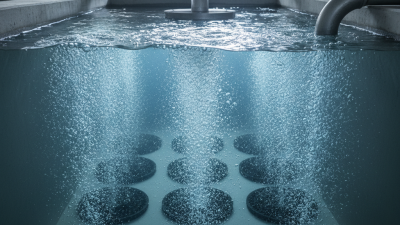
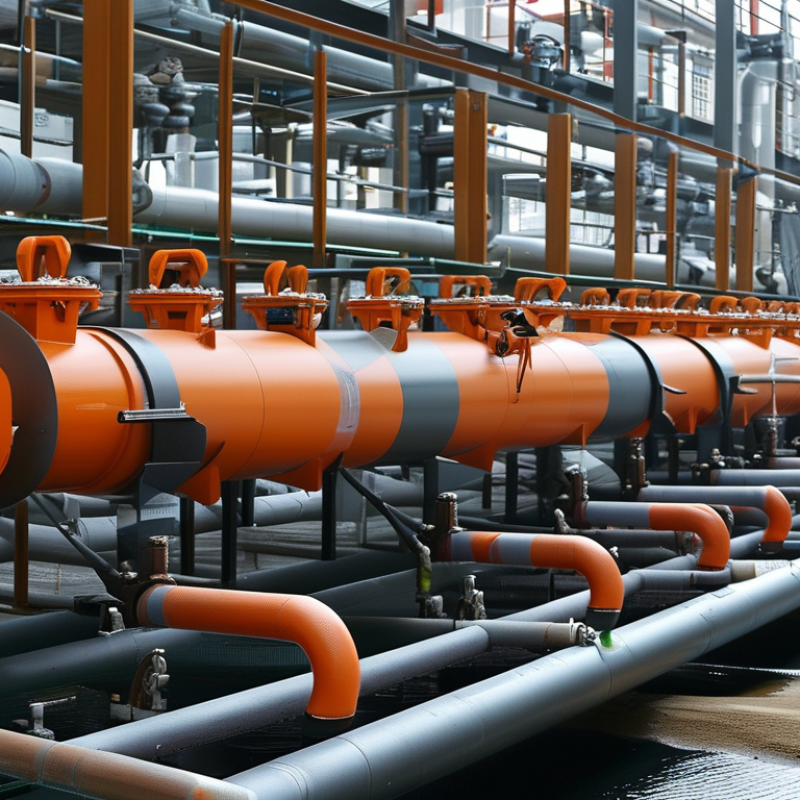
Tubular membrane diffusers play a crucial role in wastewater treatment systems. These devices enhance oxygen transfer efficiency, an essential factor in biological processes. According to a 2021 industry report, systems utilizing tubular membrane diffusers can improve oxygen transfer rates by up to 30%. This increase directly contributes to better treatment outcomes. High-efficiency diffusers enhance microbial activity, which is vital for breaking down organic matter effectively.
Understanding their importance is key for operators. Tubular membrane diffusers provide uniform gas distribution, promoting optimal contact between air and water. This uniformity helps minimize dead zones, a common issue in treatment systems. However, it’s worth noting that not all diffusers perform at their best at all times. Regular maintenance is necessary to prevent fouling, which can reduce efficiency.
Moreover, selecting the right diffuser is not always straightforward. Factors such as material compatibility, installation depth, and operational conditions come into play. Each installation may require different approaches. While many options exist, operators must critically evaluate the suitability of each type for their specific needs. Balancing efficiency and cost is essential, and often involves reflection on past performances and adjustments.
Factors to Consider When Selecting Tubular Membrane Diffusers
Selecting tubular membrane diffusers requires careful consideration of several factors. One critical aspect is the diffuser's aeration efficiency. Studies have shown that high-efficiency diffusers can enhance oxygen transfer rates by up to 20%, greatly benefiting wastewater treatment processes. Professionals in the field recognize that optimal oxygen transfer is essential for maintaining healthy biological treatment and reducing operational costs.
Another key factor is the material selection of the membrane. Different materials can affect lifespan and performance. For example, EPDM membranes are resistant to fouling, but may have a shorter lifespan compared to silicone options. Reports indicate that while silicone diffusers can last up to 15 years, they are generally more costly initially. Balancing long-term savings with upfront costs is vital in decision-making.
Furthermore, installation and maintenance requirements should not be overlooked. A diffuser that is easy to install can minimize downtime and labor costs. Regular maintenance is also important. Neglecting maintenance can lead to reduced efficiency over time, resulting in increased energy costs. Assessing the total cost of ownership becomes essential for effective budgeting and operational planning.
Evaluating Material Compatibility for Tubular Membrane Diffusers
When selecting tubular membrane diffusers, evaluating material compatibility is crucial. Membrane materials must withstand various environmental factors. Common materials include PVC, EPDM, and silicone. Each material has unique properties affecting lifespan and performance. For instance, EPDM is known for its excellent ozone resistance. However, it may degrade faster in certain chemical environments.
Understanding the specific application is vital. The choice of materials can significantly impact efficiency. A study from the American Society of Civil Engineers highlights that improper material selection can result in a drop in oxygen transfer rates by up to 25%. This underscores the importance of conducting compatibility assessments early in the process.
Furthermore, different operating conditions can stress materials differently. High temperatures and aggressive chemicals can hasten wear and tear. A report from the Water Environment Federation noted that longevity often hinges on a thorough evaluation of chemical exposures. Conducting these assessments can lead to better performance and reduce costs in the long run. Long-term reliability should always be a fundamental consideration.
Assessing Performance Metrics and Efficiency of Diffusers
When selecting tubular membrane diffusers, assessing performance metrics and efficiency is crucial. Efficiency determines how well the diffuser transfers air into water. High oxygen transfer rates (OTR) are essential for effective wastewater treatment. Look for products that provide comprehensive data on their OTR performance under various conditions. This will help gauge their effectiveness in your specific application.
Another important metric to consider is the fouling resistance of the membranes. Membranes can clog over time, decreasing efficiency. Understanding the lifespan and maintenance needs can save time and costs. Conducting side-by-side comparisons of different models can yield insights into durability and performance. Look for performance testing that reflects real-world scenarios rather than controlled environments.
Additionally, keep in mind that not all diffusers perform the same way under different operating conditions. Factors like water temperature, flow rates, and contaminants can affect performance. It's wise to check for case studies or reviews from users in similar environments. This shared experience can be invaluable for making an informed decision.
Performance Metrics of Tubular Membrane Diffusers
Maintenance and Longevity: Key Considerations for Diffuser Selection
When selecting tubular membrane diffusers, maintenance and longevity are crucial factors. Proper maintenance can significantly extend the lifespan of diffusers, ensuring optimal performance in wastewater treatment systems. According to industry reports, neglected diffusers can lose up to 30% of their efficiency within just a year. Regular inspections, cleaning, and prompt repairs are essential for sustaining effective oxygen transfer.
Choose diffusers made from durable materials. The right membrane can resist fouling and chemical degradation, enhancing longevity. Some membranes are designed to minimize fouling, which can save on maintenance costs over time. Look for diffusers that come with clear maintenance guidelines. Follow these to avoid performance drops.
Pay attention to operational conditions. High temperatures or certain chemicals can impact durability. Another point to consider is that frequent replacements due to poor choice can lead to increased costs. Reflect on how the diffuser will perform in your specific environment. Longevity can be affected by even minor factors, such as local water quality. Understanding your system’s needs is vital.
10 Essential Tips for Choosing Tubular Membrane Diffusers - Maintenance and Longevity: Key Considerations for Diffuser Selection
| Tip No. |
Tip |
Considerations |
Maintenance Frequency |
Lifespan Expectation |
| 1 |
Material Quality |
Choose durable materials resistant to chemical attacks. |
Annually |
5 - 10 years |
| 2 |
Sizing |
Select a size that matches the system's aeration requirements. |
Biannually |
5 - 15 years |
| 3 |
Airflow Rate |
Evaluate the required airflow for optimal performance. |
Quarterly |
5 - 10 years |
| 4 |
Diffuser Configuration |
Choose a configuration that enhances aeration efficiency. |
Annually |
5 - 20 years |
| 5 |
Cleaning Protocol |
Establish a cleaning schedule to prevent fouling. |
Monthly |
3 - 10 years |
| 6 |
Pressure Rating |
Check pressure ratings for safe operation. |
Annually |
10 - 15 years |
| 7 |
Compatibility |
Ensure compatibility with existing systems. |
As needed |
5 - 15 years |
| 8 |
Temperature Resistance |
Assess temperature tolerance based on environment. |
Annually |
5 - 20 years |
| 9 |
Laboratory Testing |
Review test certifications and performance data. |
As required |
10 - 15 years |
| 10 |
Vendor Reputation |
Choose reputable vendors with good customer support. |
As needed |
5 - 15 years |

 +86 13600513715
 CONTACT NUMBER
 CONTACT NUMBER