+86 13600513715


Choosing the right Fine Bubble Tube Diffuser can shape wastewater treatment performance, energy use, and maintenance demands. These diffusers release small air bubbles through flexible membranes, improving oxygen transfer across aeration tanks. Yet bubble size alone does not determine value. Airflow, submergence depth, wastewater chemistry, tank geometry, and cleaning access also matter.
This guide examines seven leading diffuser options for municipal and industrial wastewater systems. Each product is considered through practical criteria, including oxygen transfer efficiency, membrane durability, pressure loss, fouling resistance, installation method, and replacement cost. Reliable selection should combine manufacturer data with independent testing and site conditions. A diffuser performing well in clean water may behave differently beside grease, fibers, sludge, or fluctuating pH.
Operators often notice the details first. A clogged section creates uneven bubbling. A loose connection wastes air. A brittle membrane can raise blower demand before failure becomes obvious. Small issues become expensive. Still, no product is perfect. Published efficiency figures may depend on ideal test conditions, and field results can vary. That limitation deserves attention.
The following comparison aims to support informed engineering decisions, not promote a universal solution. Readers should verify airflow ranges, material compatibility, warranty terms, and local service support before purchasing. Proper commissioning and periodic inspection remain essential. Even the best diffuser cannot compensate for poor air distribution or neglected maintenance.
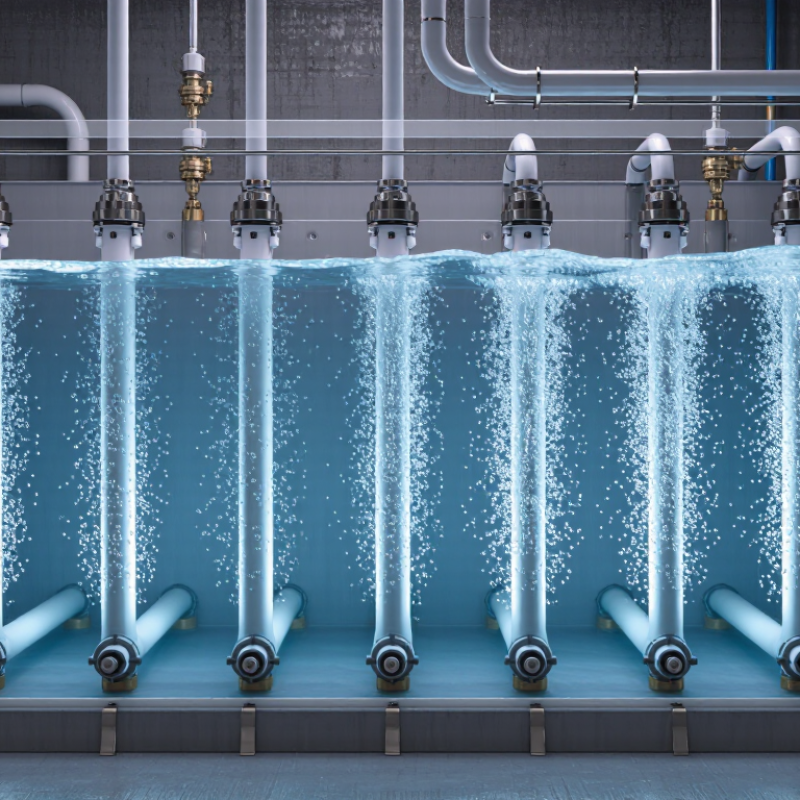
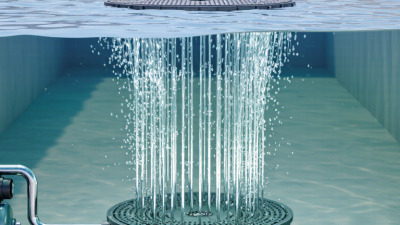
Fine-bubble tube diffusers are widely used in wastewater aeration because they spread oxygen through many small bubbles. With bubble diameters of about 1–3 mm, they offer a large gas-to-water contact area. This can improve oxygen transfer while supporting quieter basin operation. However, bubble size is not the only performance measure. Airflow, submergence depth, wastewater characteristics, diffuser spacing, and fouling all affect results. A diffuser rated at 2–8% SOTE per metre should therefore be assessed under comparable test conditions. Clean-water data may not match biological wastewater performance.
For selection, engineers should examine oxygen demand, basin depth, blower control, and expected operating hours. At greater depth, oxygen has more contact time, but pressure requirements also increase. Uneven air distribution can create dead zones near tank corners. Small details matter. Inspectors should check membrane elasticity, air header balance, and visible bubble patterns during operation. Grease, scaling, and biological growth can restrict pores and reduce transfer efficiency. Routine cleaning helps, although cleaning intervals should follow actual pressure and airflow trends. A calculation may appear precise and still mislead. Real plants change with temperature, sludge concentration, and loading. The best tube diffuser is not simply the one with the smallest bubbles; it is the one that maintains stable oxygen delivery, manageable energy use, and accessible maintenance across changing conditions.
Choosing among seven fine bubble tube diffusers requires more than comparing catalog OTE values. The US EPA Design Manual EPA/625/1-89/023 commonly references 4–8% standard oxygen transfer efficiency per metre of submergence for fine-pore systems. Use that range cautiously. Test depth, water temperature, diffuser spacing, and alpha factors can change field performance.
Airflow must match the tube’s active length. Many wastewater designs operate around 2–10 Nm³/h per metre, while excessive loading creates larger bubbles and poorer transfer. Pressure also matters. Clean diffuser losses often fall near 2–5 kPa, excluding hydrostatic pressure. WEF MOP 8 warns that rising headloss can indicate fouling, uneven distribution, or membrane fatigue. A low-pressure diffuser is not automatically efficient.
Fouling changes everything. Field conditions disagree. Grease, hardness, iron, and biological growth can close pores and reduce OTE before operators notice visible damage. Compare each of the seven options using clean and fouled pressure, airflow stability, and measured SOTE under the same test conditions. ASCE/EWRI 2-06 provides the accepted framework for oxygen-transfer testing, but plant data remains more convincing than a brochure. I would also record blower power in kWh per kilogram of oxygen transferred. That figure exposes a weakness: a diffuser with high laboratory OTE may perform poorly after months of maintenance gaps.
Choosing the best tube diffuser depends on airflow, wastewater chemistry, and cleaning access. Seven practical designs deserve comparison: EPDM slit membranes, silicone slit membranes, polyurethane perforated tubes, TPU membranes, PTFE-coated EPDM tubes, ceramic porous tubes, and stainless-steel sintered tubes. Each design handles 2–10 Nm³/h differently.
Small air bubbles matter.
EPDM remains widely used because it balances flexibility, cost, and biological resistance.
Silicone tolerates higher temperatures and some aggressive chemicals, but its lower elasticity may increase startup pressure.
Polyurethane and TPU tubes can resist abrasion, although long-term hydrolysis remains a concern.
PTFE-coated EPDM improves chemical protection, while ceramic and sintered-metal designs suit demanding industrial applications. They usually need stronger maintenance planning.
The U.S. EPA’s fine-pore aeration guidance reports potential energy savings of approximately 25–40% compared with coarse-bubble systems, when airflow and oxygen transfer are properly controlled. The Water Environment Federation also emphasizes diffuser fouling, submergence depth, and air distribution in oxygen-transfer assessments.
A diffuser operating at 2 Nm³/h may deliver excellent bubble formation, yet become inefficient at 10 Nm³/h. That assumption deserves testing.
Field oxygen-transfer results can differ sharply from clean-water data because grease, scaling, and biomass change membrane behavior. Operators should record pressure, airflow, dissolved oxygen, and cleaning intervals before selecting a final design.
Choosing among the 7 best fine bubble tube diffusers requires more than comparing membrane materials. Energy performance depends on oxygen demand, basin depth, airflow, fouling, and diffuser spacing. A practical target is 1.0–1.5 kg O₂/kWh under actual operating conditions.
Start with the daily oxygen load. A plant needing 300 kg O₂ daily would consume about 250 kWh at 1.2 kg O₂/kWh. Divide that demand across operating blowers and diffuser grids. Keep airflow within the diffuser’s tested range. Excess airflow can create larger bubbles, higher pressure loss, and uneven mixing.
Depth matters greatly. Deeper submergence usually improves oxygen transfer, but it also increases blower pressure. Fine bubble tube diffusers with resilient membranes can support stable distribution when wastewater contains grease or suspended solids. However, fouling remains a real concern. It can reduce transfer efficiency and raise electricity use.
Avoid sizing from catalogue airflow alone. Ask for clean-water oxygen transfer data, field correction factors, and pressure-drop results. The alpha factor may fall sharply in industrial wastewater. That difference is easy to underestimate.
Seven strong options may perform very differently in the same basin. Membrane durability, slot design, tube length, mounting layout, and cleaning access all influence long-term efficiency. A conservative design should leave some capacity for seasonal loads and membrane aging. Real plants rarely behave perfectly. A short field trial can reveal weaknesses before full installation.
Indicative design comparison for diffuser sizing at a target energy performance of 1.0–1.5 kg O₂/kWh. Values represent typical engineering ranges for submerged fine-bubble systems; actual performance depends on air temperature, wastewater characteristics, fouling, submergence depth and airflow control.
How to read the chart: Longer tubes provide more active membrane area at a similar airflow rate, while higher oxygen-transfer efficiency generally supports lower blower energy per kilogram of oxygen transferred. Final sizing should verify tank geometry, required oxygen demand, fouling allowance and minimum turndown airflow.
Fine bubble tube diffusers perform well only when installation protects the membrane, air header, and service access. Before lowering each tube, inspect the membrane for cuts, stiff spots, or uneven perforations. Keep tubes level and spaced evenly above the tank floor. Poor alignment can create dead zones and increase blower demand. Use clean, dry air piping, and remove construction debris before connecting the system.
Backflow control deserves close attention. When blowers stop, process water can enter the air header and damage equipment. Install suitable check valves, drain points, and isolation valves where operators can reach them safely. Test these controls during commissioning, not months later. A slow pressure drop may reveal a leaking valve or a submerged pipe. Small faults become expensive when ignored.
Membrane life depends on air quality, water chemistry, and cleaning habits. Oil, iron, grease, and biological deposits can block fine pores. Record airflow, pressure, dissolved oxygen, and visual bubble patterns during routine inspections. Clean membranes with the method approved for their material, using low pressure and compatible chemicals. Aggressive scrubbing can shorten service life.
In field maintenance, operators often clean too late, after pressure has already risen. That habit needs reconsideration. No schedule fits every basin. Compare current readings with the original commissioning data, then adjust cleaning intervals carefully. Replace damaged tubes promptly, even when bubbles still appear.