7 Tubular Membrane Diffuser Buying Tips for Global Buyers
Buying a Tubular Membrane Diffuser is rarely a simple price comparison. Global buyers must connect equipment choice with basin depth, airflow, wastewater composition, and maintenance access. A diffuser that performs well in a municipal plant may struggle in a food-processing facility. The details matter.
This guide presents seven practical buying tips for international procurement teams. It examines membrane material, pore structure, oxygen transfer performance, air demand, connection design, supplier reliability, and total operating cost. Look beyond catalog numbers. Ask for test conditions, performance data, drawings, sample units, and references from comparable installations. A clear specification can prevent expensive surprises later.
Field experience also shows that the cheapest offer is not always economical. A low initial price may conceal higher blower energy, uneven aeration, or frequent replacement. Small differences become significant across thousands of operating hours. Still, no guide can predict every site condition. Water chemistry changes. Installation quality varies. Supplier documents may also leave important questions unanswered.
Good purchasing requires careful verification. Compare technical evidence, not attractive wording. Check whether the diffuser suits local operating practices, available spare parts, and service expectations. Consider shipping protection, packaging, lead times, and communication across time zones. These practical issues often influence project results as much as membrane design.
The best decision balances performance, durability, compatibility, and accountable support. Use these seven tips as a working framework, not a rigid formula. A thoughtful review today can help protect aeration efficiency for years.
Understand Tubular Membrane Diffuser Design and Operating Principles
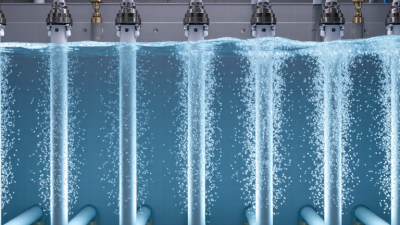
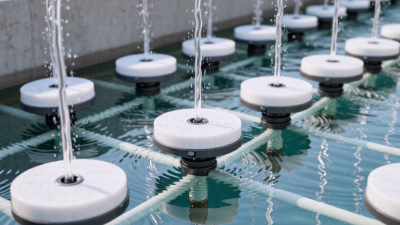
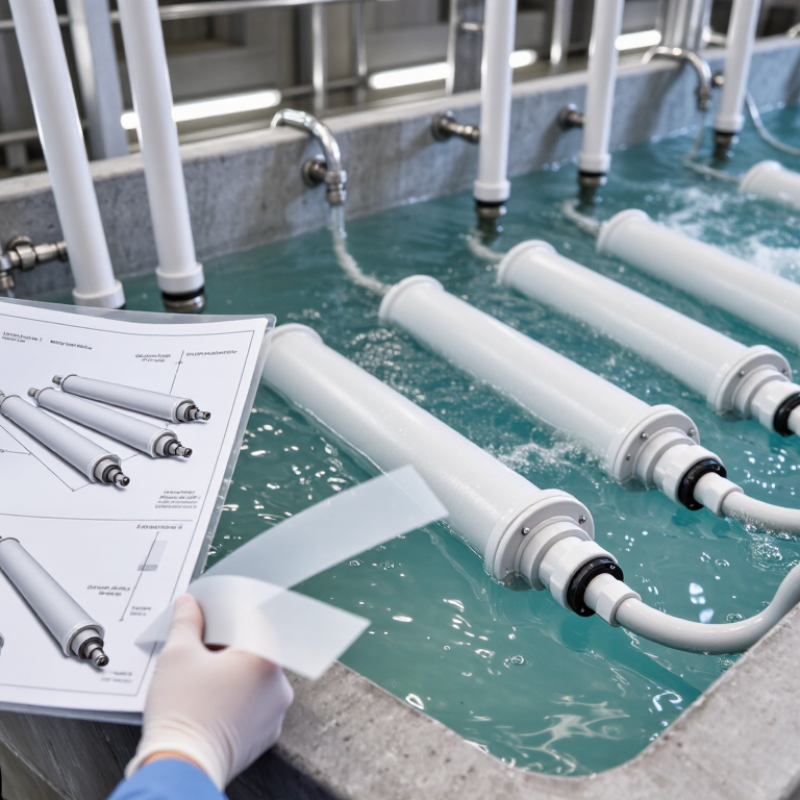
Tubular membrane diffusers convert blower air into fine bubbles through flexible perforations. Their basic design includes a support tube, membrane, clamps, and air inlet. When airflow enters, the membrane expands slightly and opens its pores. Air then leaves as bubbles across the active surface. When the blower stops, the membrane contracts and helps limit water entry.
Bubble size affects oxygen transfer, energy use, and mixing. Smaller bubbles offer more surface area, but they can increase pressure loss and fouling risks. Submergence depth also matters. Deeper installation requires more blower pressure. Buyers should compare membrane material, pore pattern, effective length, and pressure data at the intended airflow. A diffuser selected from catalog capacity alone may perform poorly in real wastewater.
Check the complete operating range, not only the maximum rating. Ask for test conditions, including water depth, temperature, airflow, and oxygen demand. Independent performance data is valuable. Inspectors should also examine clamps and air headers for uneven distribution. It can reveal installation problems early.
A common mistake is choosing the cheapest membrane. Initial savings may disappear through cleaning, replacement, or excessive blower power. Still, no diffuser remains ideal forever. Grease, minerals, and biological growth change performance over time. Specify accessible layouts, reasonable cleaning procedures, and replacement intervals. Pilot testing is wise when wastewater characteristics are uncertain. A small trial can challenge attractive assumptions before a full purchase.
Define Aeration Requirements for Different Water Treatment Systems
Tubular membrane diffuser selection
should begin with the treatment system, not the product catalogue. Municipal wastewater usually needs steady oxygen delivery across biological tanks, while industrial effluent may require higher airflow and stronger fouling resistance. Record basin depth, tank geometry, water temperature, BOD load, ammonia target, and expected seasonal changes. These details influence oxygen transfer, pressure loss, and diffuser spacing.
Tip:
Match aeration capacity to the real oxygen demand. Peak loading matters more than average flow. Measure dissolved oxygen at several tank points, not only near the outlet. A practical control range often sits around 1.5–2.5 mg/L, but the process design must confirm it. Excess air wastes energy. Too little air can damage treatment performance.
Tip:
Check operating conditions before choosing membrane materials and pore patterns. Fine bubbles can improve transfer efficiency, yet they may foul faster in oily or high-solids wastewater. Coarse bubbles may clean more easily but need more energy. This trade-off is easy to underestimate. I have seen designs based on laboratory water perform poorly in full-scale tanks. Allow for fouling, uneven air distribution, maintenance access, and winter temperature changes. A small pilot test or field measurement can reveal problems early, especially when wastewater quality changes sharply during production cycles.
Compare Membrane Materials, Pore Sizes, and Oxygen Transfer Performance
Choosing tubular membrane diffusers requires more than comparing catalog prices. Start with membrane material. EPDM often tolerates routine municipal wastewater conditions, while silicone may resist certain chemicals and operate with different elasticity. Check the actual wastewater, temperature, oil content, and cleaning chemicals before deciding. A material that performs well in clear water can age quickly in a greasy basin.
Pore size directly affects bubble diameter and oxygen transfer. Smaller pores usually create finer bubbles, increasing contact area and transfer efficiency. However, they may need higher air pressure and careful fouling control. Larger pores can handle dirty conditions better, but oxygen transfer may decline. Pores matter. Ask for clean-water standard oxygen transfer efficiency, alpha-factor data, and pressure-loss curves. These figures are useful, but they are not the whole installation.
Compare oxygen transfer under site conditions, not only laboratory water. Basin depth, dissolved oxygen targets, airflow, temperature, and diffuser spacing can change results sharply. I have seen a diffuser pass a factory test yet underperform after uneven installation. Request test methods, operating ranges, and service-life evidence. Examine clamps, tube thickness, and replacement access too. The cheapest membrane may create higher energy costs later. Leave room for uncertainty. Field water rarely behaves perfectly, and supplier data should be checked through a pilot test or measured commissioning results.
Evaluate Product Quality, Compatibility, Maintenance, and Service Life
Buying tubular membrane diffusers requires more than comparing airflow rates. Product quality starts with the membrane material, pore structure, welds, and support tube. Request oxygen-transfer test results performed under recognized ASCE/EWRI procedures, not only laboratory claims. The U.S. Environmental Protection Agency reports that aeration can consume 45–75% of a wastewater plant’s electricity. Small efficiency losses can therefore become significant operating costs.
Check compatibility with tank depth, blower pressure, wastewater chemistry, and pipe connections. Oils, grease, high salinity, and abrasive solids can damage membranes or block pores. A diffuser designed for municipal wastewater may perform poorly in industrial applications. Confirm the operating airflow range, because excessive loading can stretch the membrane and shorten its service life. Measure it carefully.
Maintenance planning matters as much as initial quality. The Water Environment Federation recommends routine inspection, cleaning, and oxygen-transfer checks within an aeration maintenance program. Ask whether membranes can be replaced without removing the complete grid. Confirm spare-part availability, technical documents, and response times across your region. A longer warranty is useful, but it does not prove longer service life. Field conditions decide that. One common buying mistake is trusting a quoted lifespan without reviewing fouling data. My earlier evaluation would have missed this point. Select suppliers that provide installation guidance, cleaning intervals, and performance records from comparable wastewater systems. Surface bubbles should remain fine and evenly distributed, not concentrated around a few outlets.
7 Tubular Membrane Diffuser Buying Tips for Global Buyers
Compare tubular membrane diffusers by the factors that most directly affect aeration efficiency, operating cost, maintenance planning, and service life.
The percentage values represent a practical purchasing-priority framework for wastewater aeration projects. Product specifications should be verified against the application, wastewater characteristics, airflow range, installation system, and local operating conditions.
Assess Suppliers, Total Costs, Certifications, and Global Shipping Needs
7 Tubular Membrane Diffuser Buying Tips for Global Buyers
A reliable supplier should explain oxygen-transfer performance, membrane material, pore size, and testing methods. Do not accept only a catalogue figure. Request test conditions, water temperature, airflow, and fouling assumptions. U.S. EPA guidance indicates aeration can consume 45–75% of wastewater plant electricity. Small efficiency differences can therefore affect operating budgets for years. Ask for production records, quality-control procedures, and recent customer references. A factory visit is useful, although photographs can hide inconsistent assembly.
Compare total cost, not unit price. Include blowers, connectors, freight, duties, installation labor, cleaning, replacement membranes, and disposal. Request a five-year cost model using your actual airflow and operating hours. The cheapest quotation may be expensive. I have seen buyers overlook spare clamps and pay urgent freight later. That mistake is avoidable, but not always.
Certification requirements vary by destination and application. Check whether the supplier maintains ISO 9001 certification, material traceability, and documented inspection records. ISO’s annual certification survey can help verify certification scope, but it does not prove diffuser performance. Ask for independent test reports and chemical compatibility data. For international delivery, confirm packaging dimensions, moisture protection, customs documents, and Incoterms. UNCTAD’s Review of Maritime Transport 2024 reports that over 80% of global merchandise trade by volume moves by sea. Sea freight reduces cost, but transit delays remain possible. Build buffer inventory near the treatment site. That is often wiser than trusting an ideal delivery schedule.

 +86 13600513715
 CONTACT NUMBER
 CONTACT NUMBER