+86 13600513715


Choosing a top Pp Tube Settler manufacturer in China takes more than comparing prices or browsing product photos. These modules can improve settling capacity, but their performance depends on design, material quality, and fit with the treatment process. A useful supplier conversation starts with specifics: water flow, tank dimensions, expected solids, operating temperature, and cleaning access. Small details matter. A poorly matched module may be difficult to install or maintain, even when its quoted specifications look attractive.
Look for clear information about polypropylene grade, sheet thickness, tube geometry, assembly method, and dimensional tolerances. Ask how production batches are inspected and whether the supplier can provide relevant test records, drawings, and a sample for review. Compare the proposed design with your operating conditions rather than relying on a generic capacity claim. Verify lead times, packaging, replacement availability, and technical support in writing. These checks do not guarantee a perfect result. They do make gaps easier to spot.
Experience also matters. A manufacturer that has handled projects similar to yours may ask better questions about flow distribution, sludge removal, and access for maintenance. Request references where practical, and confirm exactly what the quoted scope includes. Be cautious of vague promises or unusually low prices without supporting specifications. A spreadsheet helps, but it cannot replace a careful technical discussion. Some choices remain uncertain until the unit is installed and observed under real operating conditions. That is worth acknowledging. The aim is not to find a flawless supplier, but a capable one that communicates clearly and can support the product beyond delivery.
How to Choose a Top PP Tube Settler Manufacturer in China?
Understand PP Tube Settlers and Their Role in Water Treatment
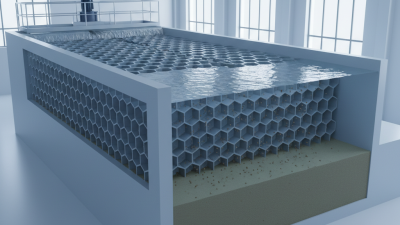
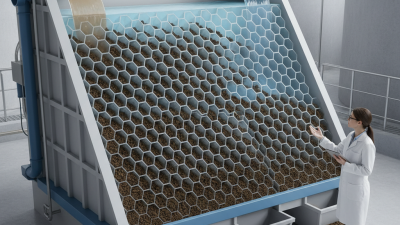
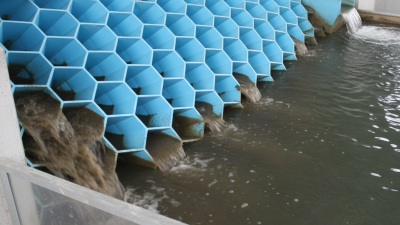
PP tube settlers are inclined channels installed inside a sedimentation basin. They create more effective settling area within the same footprint. As water moves through the channels, suspended floc travels a shorter distance before settling onto a surface and sliding into the sludge zone. The result can be steadier clarification when flow rises, provided the basin is properly designed and operated. Small details matter. EPA’s 2004 Primer for Municipal Wastewater Treatment Systems reports that conventional primary treatment removes about 60% of suspended solids and 30% of biochemical oxygen demand. These are typical process figures, not guaranteed results for a tube-settler installation.
Performance depends on more than the PP modules. Check channel angle, opening size, water distribution, sludge removal, and access for cleaning. Uneven flow can leave some channels overloaded while others do little. Algae, grease, or sticky floc may also collect inside the tubes. A tube pack is not a magic fix; test performance against the actual water quality and peak flow.
Tip: Ask for design calculations and operating references for comparable water conditions. Confirm the PP’s temperature limits and whether the modules resist UV exposure if stored outdoors. A small pilot test can reveal fouling issues that a drawing may miss.
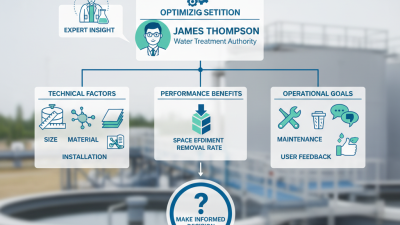
Before comparing PP tube settler suppliers, define the water and operating conditions the equipment must handle. Record average, peak, and minimum flow, suspended-solids concentration, water temperature, and available basin dimensions. Peak flow matters. A unit sized only for average flow may allow solids to escape during surges. Ask suppliers to state their design surface-loading rate and the assumptions behind it; do not compare quotes that use different inputs.
The U.S. EPA’s 2023 Seventh Drinking Water Infrastructure Needs Survey estimates $625 billion in drinking-water infrastructure needs over 20 years. That scale makes lifecycle fit important, not just purchase price. Specify module angle, tube dimensions, PP material grade, support method, and access for cleaning. Check chemical exposure and sunlight exposure during storage or operation. Request drawings showing inlet distribution, outlet collection, and clearance for installation. For a retrofit, measure the tank carefully; a few centimeters can affect fit. I have seen neat calculations become less neat when site measurements are missing. Share test data where possible, and ask the manufacturer to document expected performance under your actual flow and solids conditions.
| Project Requirement | Illustrative Design Basis | What to Define and Verify with the Manufacturer |
|---|---|---|
| Application and treatment objective | Secondary clarification of municipal wastewater before disinfection or discharge. | Describe the process location, treatment objective, and applicable local discharge requirements. Confirm that the proposed settler is suitable for the actual wastewater and clarifier arrangement. |
| Flow rate and operating pattern | Illustrative average flow: 10,000 m³/day; illustrative peak flow: 15,000 m³/day. | Provide average, maximum-day, and peak-hour flows, as applicable. State the units and operating schedule. Have the design engineer establish the required settling area using the project’s hydraulic design basis rather than selecting from flow rate alone. |
| Influent and operating conditions | Document suspended solids, temperature range, pH, and any expected process variations using site data. | Share representative laboratory results and seasonal ranges. Ask for written confirmation that the proposed PP material and module configuration are suitable for the stated chemical and temperature conditions. |
| Existing clarifier geometry | Record tank length, width or diameter, water depth, inlet and outlet arrangement, and available installation access. | Provide dimensioned drawings and photographs where available. Confirm module layout, edge treatment, support locations, and clearances around launders, walls, and other equipment. |
| Tube geometry | A 60-degree inclined arrangement is commonly specified for tube settlers; tube opening and length must be selected for the design and solids characteristics. | Request drawings that state tube angle, opening dimensions, module length, and effective settling area. Check how dimensions are measured and whether the proposed geometry fits the tank and support system. |
| Hydraulic design and performance basis | Set the design surface-loading or equivalent hydraulic criterion through the project engineer’s process design. | Ask for the calculation basis, assumptions, and limitations behind any stated capacity or removal performance. Treat guarantees as project-specific and require defined influent conditions, flow, and test or acceptance methods. |
| PP material and construction | Specify polypropylene (PP) and identify any required additives, such as UV stabilization, based on exposure and service conditions. | Request material grade information, product data, and confirmation of chemical and temperature compatibility. Clarify whether modules will be indoors, outdoors, or exposed to sunlight during storage or operation. |
| Mechanical support and loading | Define the support grid, attachment details, and expected operating and maintenance loads for the installation. | Confirm module rigidity, support spacing, restraint against movement, and access for inspection. Require the project engineer to verify that the tank structure and supports can carry the applicable loads. |
| Cleaning and maintenance | Plan for inspection and cleaning appropriate to the wastewater’s solids and fouling tendency. | Ask how the modules can be accessed, removed, or cleaned in the proposed tank. Clarify whether cleaning equipment or procedures are included in the supply and follow site safety requirements. |
| Fabrication tolerances and fit-up | Establish allowable module dimensions and installation tolerances from the site survey and tank drawings. | Request dimensioned shop drawings, module connection details, and a documented dimensional inspection plan. Confirm how the supplier will address irregular tank dimensions and field adjustments. |
| Quality documentation | Define the documents required for project approval and delivery inspection before placing the order. | Request material and inspection records, approved drawings, packing lists, and traceable order documentation as applicable. Confirm that the documents identify the supplied product and match the approved specification. |
| Packaging, transport, and delivery | Provide destination, required delivery date, unloading conditions, and any limits on package dimensions. | Confirm module protection against deformation and damage during transport and storage. Agree on packing method, shipment schedule, inspection on receipt, and responsibility for unloading. |
| Quotation and scope boundaries | Request a quotation based on one approved set of drawings, quantities, material requirements, and delivery terms. | Check whether the price includes modules only or also supports, fasteners, drawings, installation guidance, and spare parts. Record exclusions, lead time, warranty terms, and after-sales support in writing. |
Note: The figures above are illustrative project inputs, not a universal design recommendation. Confirm hydraulic sizing, structural support, and process performance with the project engineer using site-specific data.
When choosing a PP tube settler manufacturer, look beyond years listed on a website. Ask how long the team has made inclined tube modules and which wastewater or clarification projects it has supplied. Request project references, installation photos, and details about operating conditions. A module used in a real sedimentation tank tells you more than a generic product sheet.
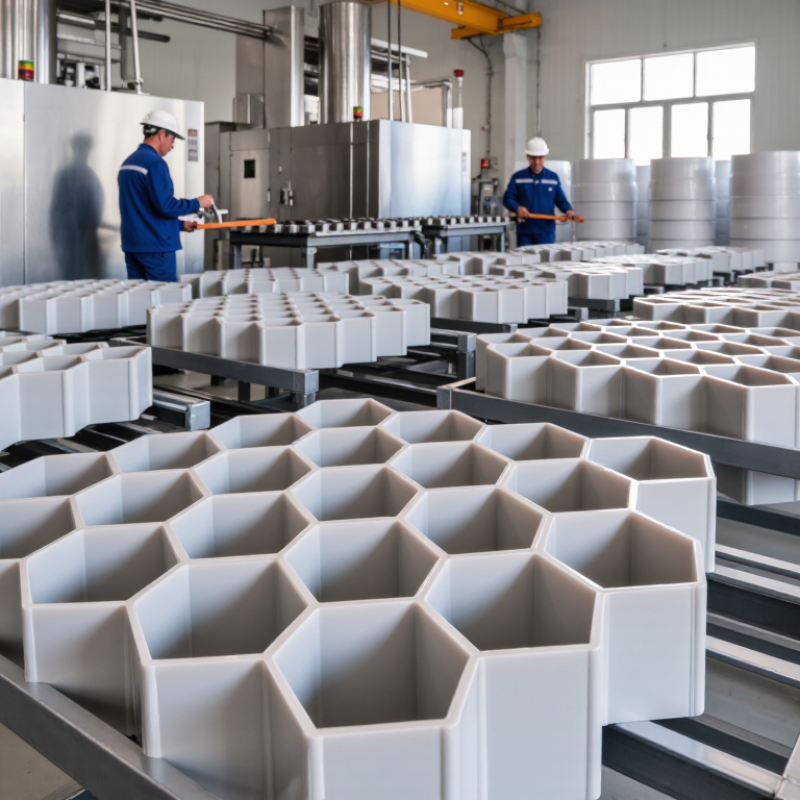
Check the production floor, in person or through a live video call. Look for sheet-forming equipment, cutting tools, assembly areas, and organized storage. Ask how operators control sheet thickness, tube angle, module dimensions, and bonding quality. Request sample inspection records and batch traceability documents. Details matter. A neat workshop is reassuring, but it does not prove consistent output.
Discuss a specific order rather than asking only about maximum capacity. Can the factory meet your required dimensions, delivery schedule, and packing method without rushing inspections? Ask what happens when a sample fails a check. A capable supplier should explain its corrective process clearly, not just promise perfection. I would still verify key claims against a recent production run; brochures can omit inconvenient details. Check whether the quoted capacity reflects normal monthly output or an unusually busy shift.
A strong PP tube settler manufacturer should provide evidence, not just a polished sample. Check sheet thickness, channel dimensions, bonding quality, and resistance to deformation. Ask for material certificates and inspection records. Small defects matter: uneven channels can disrupt flow and collect solids.
Customization should match the actual basin. Compare proposed tube angle, module size, projected settling area, and support-frame design against your tank drawings and flow data. The U.S. EPA’s 2012 Guidelines for Water Reuse uses 30 mg/L total suspended solids as a common secondary-treatment benchmark. That is useful context, not a tube-settler performance guarantee. Request calculations showing assumptions, expected loading, and how the system supports your treatment target.
Technical support matters after delivery. Ask whether engineers review hydraulics, provide installation drawings, and help troubleshoot uneven flow or sludge buildup. Request a commissioning checklist and clear cleaning guidance. I would also ask how the supplier handles design changes; this detail is easy to overlook. Compare response times and the specificity of answers, not just the warranty length. A technically sound product can still disappoint if site dimensions or operating conditions were misunderstood.
A strong PP tube settler supplier should prove process control, not merely display certificates. Check whether its quality certificate is current, independently verifiable, and applicable to the plant making the modules. Ask for inspection records, material specifications, and dimensional checks for tube angle, channel width, and sheet thickness. ISO 9001 certification can support quality management, but it does not guarantee settling performance. Paperwork is not proof.
The UN World Water Development Report 2024, citing WHO and UNICEF data, notes that 2.2 billion people lacked safely managed drinking water in 2022.
That pressure makes dependable treatment equipment and accountable sourcing more important.
Delivery terms deserve the same scrutiny as product specifications. Confirm the named delivery point, Incoterms rule, packing method, and responsibility for freight damage. Request a dated production schedule with approval and inspection milestones.
Tube modules can deform if stacked or strapped poorly, so ask how the supplier protects edges and maintains bundle dimensions. A low quotation can hide costly gaps. I have seen procurement comparisons miss unloading and storage needs; the buyer should check those details before signing.
Long-term service separates a usable purchase from a lasting one. Ask how quickly the manufacturer can supply matching replacement modules, provide installation guidance, and respond to technical questions after commissioning.
Request a written warranty scope and clarify what evidence is needed for a claim. Keep spare quantities and drawings on file. Test the service channel before ordering with a practical question about fouling or cleaning. A slow reply is a signal, though not a final verdict.