How to Choose the Best Tube Settler for Your Project?
Choosing the right Tube Settler is crucial for the success of your project. A Tube Settler helps improve water clarity and sedimentation efficiency in various applications. With numerous options available, selecting the best one can be challenging.
Understanding your specific needs is essential. Different projects may require various configurations and materials. Consider factors like flow rate, water quality, and space availability. Each element plays a role in determining the most suitable Tube Settler. Mistakes in this phase can lead to inefficiencies.
Incorporating data from past projects can enhance your decision. Industry experts often recommend consulting with experienced professionals. They can provide valuable insights and suggest successful designs. Take the time to reflect on common pitfalls in decision-making. This approach ensures that your Tube Settler choice is informed and reliable.
Understanding Tube Settler Technology for Water Treatment
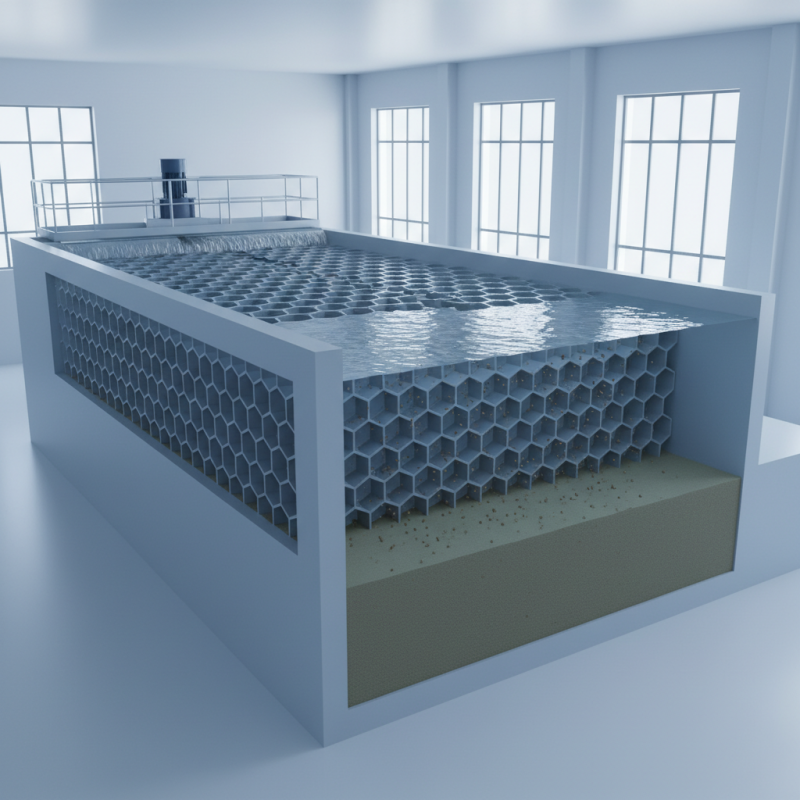
Tube settlers are vital components in water treatment plants. They enhance the sedimentation process, improving water quality. These devices use gravity to separate solids from liquids. This process reduces the need for extensive chemical treatments. Understanding tube settler technology can be complex but rewarding.
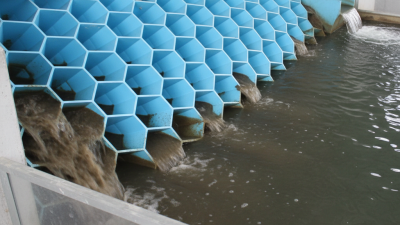
In tube settlers, the inclined tubes allow particles to settle more efficiently. Water flows through the tubes, which causes suspended solids to settle on the surfaces. The design promotes faster settling rates than traditional methods. However, choosing the right type requires careful consideration. Factors like water quality and flow rate influence performance significantly.
While tube settlers are highly effective, they can have drawbacks. For instance, improper installation can lead to uneven settling. Regular maintenance is necessary to prevent clogging. Observing how they perform in real-life scenarios can provide valuable insights. Evaluating their efficiency can lead to improvements in water treatment processes. This technology holds great promise, but understanding its limitations is essential for successful implementation.
Key Factors to Consider When Selecting Tube Settlers
When selecting tube settlers, several key factors demand careful consideration. First, the design and dimensions of the settlers play a crucial role. Tube settler configurations, typically measuring 3 to 10 inches in diameter, can significantly influence water treatment efficiency. Compact designs enhance space utilization, but they may not handle high flow rates well. Selecting settlers with an appropriate angle is equally important; optimal angles reduce sedimentation time, leading to improved clarification.
Another factor involves the material used for construction. High-density polyethylene (HDPE) is common due to its resistance to corrosion and lower maintenance needs. Studies have shown that materials like HDPE can increase system longevity by 20% compared to less durable alternatives. Understanding the specific environmental conditions at your site is also essential. For example, harsher climates may demand tougher materials to withstand temperature fluctuations and UV exposure.
Operational effectiveness is another area needing reflection. Not all tube settler systems deliver uniform results under varying loads. Some studies highlight that under specific circumstances, such as fluctuating flow rates, sediment removal efficiency can drop by up to 30%. Careful assessment of average flow conditions during peak and low times ensures you select a system that meets your project’s demands throughout its lifecycle. Balancing these factors leads to a more effective and reliable solution for your needs.
Tube Settler Selection Factors
Comparing Different Tube Settler Materials and Designs
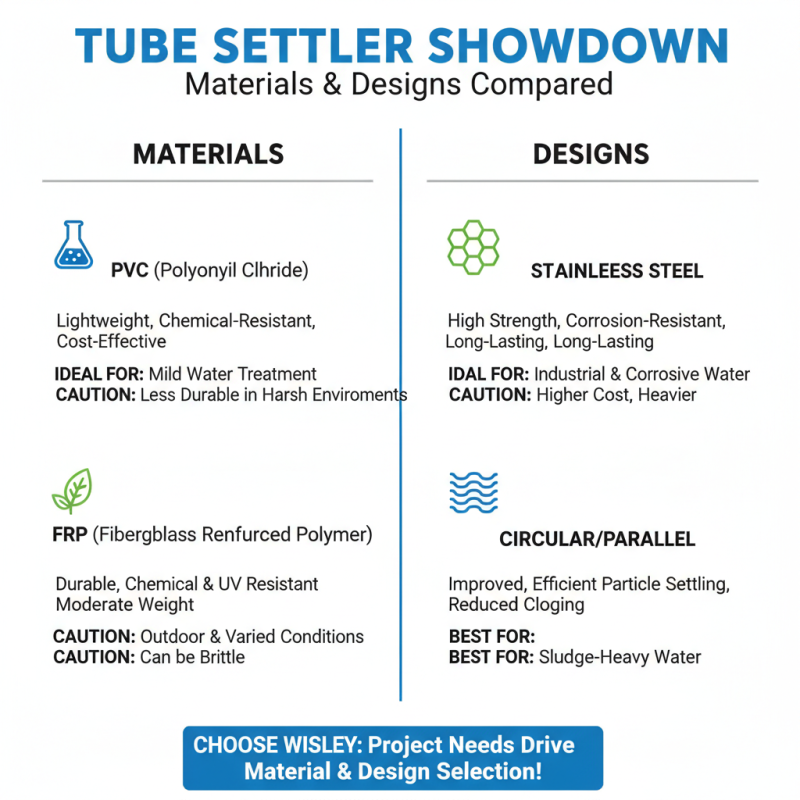
When selecting the best tube settler for your project, understanding the different materials and designs is crucial. Tube settlers are essential in water treatment processes, impacting efficiency and effectiveness. Each material offers distinct benefits. For instance, PVC is lightweight and resistant to chemicals, making it a popular choice. While it thrives in many conditions, its durability can be an issue in harsh environments.
Another common material is polypropylene. It boasts excellent flexibility and can withstand varying environmental conditions. However, long-term exposure to UV light can degrade polypropylene. On the design side, you might encounter vertical versus inclined tube settlers. Vertical designs often save space but may require more maintenance. In contrast, inclined models can enhance settling rates but involve more complex installation.
Choosing the right combination of material and design may seem straightforward, yet it requires careful consideration. Each design has trade-offs, and reflecting on the operational conditions is vital. Consider the specific needs of your project. Evaluate factors such as space, maintenance, and durability. This process can reveal unexpected challenges but also offer opportunities for better outcomes.
Evaluating Performance Metrics of Tube Settlers
When evaluating the performance metrics of tube settlers, it's crucial to focus on key factors. The settling efficiency is often the most important metric. This refers to how effectively the tube settler can separate solids from liquids. Higher efficiency rates indicate better performance. You should look for data on particle removal rates. A well-designed settler can remove a significant percentage of solids.
Another metric to consider is flow rate. This represents the volume of water that can pass through the tube settler in a given time. Understanding the optimal flow rate helps in determining the settler's capacity. If the flow rate exceeds the design parameters, it could lead to inefficient settling. Always ask for empirical data or case studies supporting these claims.
Finally, the maintenance requirements of tube settlers cannot be overlooked. Settlers with higher efficiency might require more frequent cleaning or inspection. This can increase operational costs. Gathering feedback from operators can provide insight into real-world performance. It is essential to weigh these metrics against your specific needs and constraints. This evaluation process should involve careful consideration and may reveal areas for improvement.
Installation and Maintenance Tips for Optimal Tube Settler Use
When installing a tube settler, proper alignment is key. Ensure that each tube is level and correctly spaced. A slight misalignment can lead to inefficiency. Check the manufacturer's guidelines to determine the optimal angle for installation. This will enhance sedimentation and improve overall performance.
Maintenance is crucial for the longevity of your tube settler. Regular inspections can identify blockages and potential wear. Clean the tubes every few months to prevent the buildup of sludge. Use a gentle cleaning method to avoid damaging the settler. Monitor sediment levels to determine when cleaning is needed. Keeping a maintenance log can be helpful for tracking performance over time.
Remember, installation and maintenance mistakes can lead to significant downtime. Take the time to train your team in proper maintenance techniques. Encourage them to report any irregularities. This proactive approach can prevent larger issues down the line and ensure optimal function.

 +86 13600513715
 CONTACT NUMBER
 CONTACT NUMBER