Why Pp Tube Settler Is Essential for Effective Water Treatment?
Water treatment plays a crucial role in maintaining public health and environmental safety. Among the various technologies available, the Pp Tube Settler stands out as an essential component. This innovative device enhances the efficiency of sedimentation processes, improving water clarity and quality.
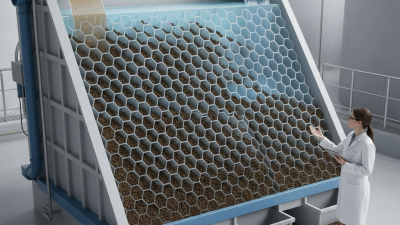
The Pp Tube Settler is designed to optimize space while maximizing performance. It consists of inclined tubes that facilitate the settling of solids from water. As water flows through these tubes, sediments collect at the bottom, leading to cleaner effluent. Many facilities report significant improvements in water treatment outcomes after incorporating this technology.
Despite its benefits, challenges remain. Not all installations yield the expected results. Factors like tube alignment, water chemistry, and flow rates significantly impact performance. Continuous evaluation and adaptation are necessary for optimal results. Understanding the nuances of the Pp Tube Settler can lead to more effective and reliable water treatment solutions.
Importance of Pp Tube Settlers in Modern Water Treatment Systems
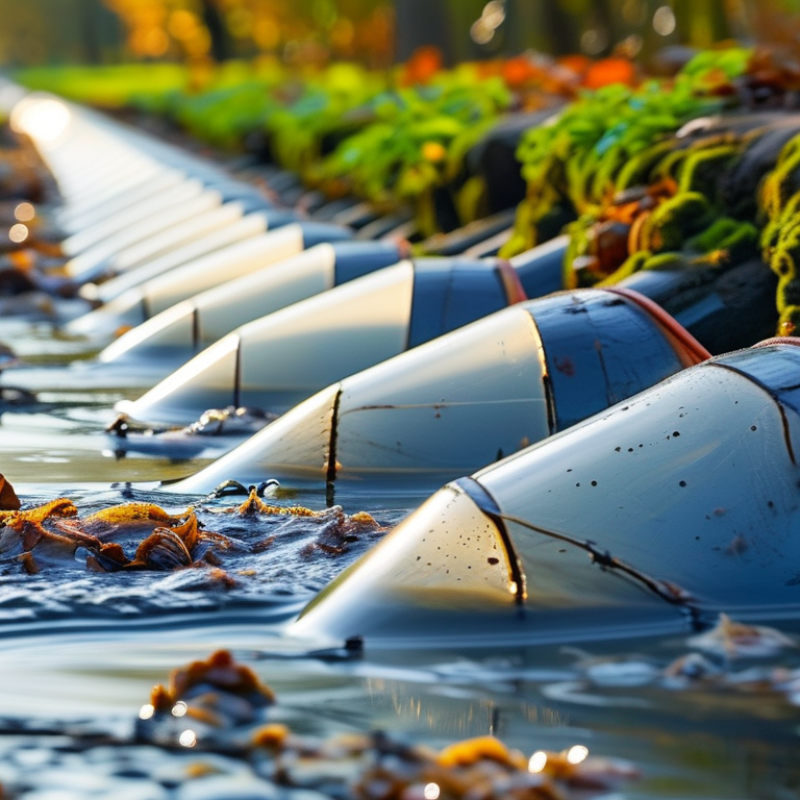
In modern water treatment systems, Pp tube settlers are important. They help improve the separation of suspended particles from water. This process enhances water quality and makes it safer for use. The design of these settlers allows for efficient settling. The tubular shape maximizes surface area, promoting better sedimentation.
The use of Pp tube settlers can lead to significant operational improvements. They reduce the need for chemicals in water treatment. This not only saves costs but also lowers environmental impacts. However, using tube settlers requires careful consideration of flow rates and water characteristics. Miscalculations can lead to inefficiencies or failures in the system.
It is crucial to recognize the limitations of Pp tube settlers. They may not handle high turbidity levels effectively. In such cases, pretreatment steps may be necessary. Regular maintenance is also a must to ensure optimal performance. Water treatment professionals should constantly evaluate their effectiveness in specific applications.
Why Pp Tube Settler Is Essential for Effective Water Treatment?
| Dimension |
Description |
Importance |
Application |
| Material |
Polypropylene (PP) |
Corrosion resistant, durable |
Used in various water treatment systems |
| Surface Area |
High effective surface area |
Enhances sedimentation |
Sedimentation tanks, clarifiers |
| Efficiency |
High separation efficiency |
Reduces treatment time |
Wastewater treatment |
| Cost-Effectiveness |
Low operational costs |
Affordable solution for water treatment |
Municipal and industrial applications |
| Installation |
Easy to install |
Reduces installation time |
Flexible system design |
Mechanisms of Pp Tube Settlers in Enhancing Settling Efficiency
PP tube settlers are vital for boosting settling efficiency in water treatment processes. These structures enhance the sedimentation of particles, leading to clearer water. The design maximizes surface area, allowing for effective interaction between particles and the settling medium. The tube’s inclined surfaces promote gravity-driven settling, facilitating faster removal of contaminants.
Tips: Regular maintenance of tube settlers is crucial. Ensure there’s no debris blocking the tubes. Clean the surfaces periodically to maintain high settling rates.
The mechanism of sedimentation is influenced by various factors. Water flow speed plays a significant role. High velocity can hinder settling, while low velocity promotes particle consolidation. Understanding these dynamics helps in optimizing water treatment systems. Monitoring the inlet and outlet flow rates can provide insights for adjustments.
Tips: Consider variations in water quality. Fluctuations can affect settling efficiency. Stay informed about the changes in your local water supply and adjust your treatment accordingly.
Comparison of Pp Tube Settlers and Traditional Settling Methods
In recent years, PP tube settlers have gained recognition in water treatment processes. Compared to traditional settling methods, they offer significant advantages. Conventional systems often rely on larger settling basins, which can require more space and longer retention times. A study indicates that tube settlers can enhance sedimentation rates by up to 50%, resulting in cleaner water in less time.
One reason for the improved efficiency is the design of tube settlers. They create a series of inclined surfaces that increase the settling area. This minimizes the footprint needed for treatment. According to industry reports, the space savings can be as much as 90% compared to open basins. This space efficiency translates into cost savings for facilities, allowing them to treat more water without a corresponding increase in land use.
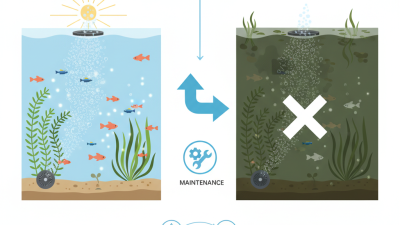
While PP tube settlers demonstrate clear benefits, there are challenges to consider. Maintenance can be more complicated due to the compact design. Operators must ensure that biofilm does not develop within the tubes. Neglecting this aspect can lead to reduced effectiveness. Regular monitoring and cleaning are vital, highlighting the necessity of trained personnel in managing these systems.
Industry Data: Pp Tube Settlers and Their Impact on Water Quality
The use of Pp tube settlers in water treatment plays a crucial role in enhancing water quality. Recent studies indicate that these settlers can improve sedimentation efficiency by up to 30%. This increase is vital for meeting regulatory standards in various regions. For example, the reduction of turbidity levels means that water treated through tube settlers often exceeds the recommended limits for safe drinking water.
Another report highlighted that utilizing tube settlers assists in decreasing chemical usage by 20%. This is significant in optimizing operational costs for water treatment plants. The ability to achieve higher performance with lower chemical input reflects their effectiveness in managing treatment processes. While many facilities benefit from using Pp tube settlers, some still struggle with maintenance issues and sediment buildup. This aspect requires attention to ensure ongoing efficiency.
Additionally, recent comparative studies in the industry revealed that plants employing tube settlers achieved a 25% reduction in solids concentration during winter months. Factors such as temperature fluctuations can impact settling efficiency. This challenge highlights the necessity for continuous improvement and adaptation in water management strategies. Overall, the growing body of data emphasizes the Pp tube settler's impact, while also underscoring the need for consistent evaluation and better operational practices.
Future Trends: Innovations in Pp Tube Settler Technology and Applications
The future of Pp tube settler technology shows promising trends in water treatment. Innovations focus on enhancing efficiency and reducing environmental impact. According to the Water Environment Federation, effective settler designs can reduce sedimentation time by up to 30%. This efficiency translates into cost savings for treatment facilities, making advanced design crucial.
Emerging designs utilize hydrodynamic principles to optimize flow patterns. This leads to better particle separation and improved water quality. Integration of smart sensors is on the rise, offering real-time data on sediment levels and water clarity. These advancements enable operators to make informed decisions quickly.
Tips: Regular maintenance of Pp tube settlers is essential. Build a preventive schedule to avoid unexpected downtime. Monitor performance metrics regularly to identify potential issues early. As technology evolves, staying informed on industry trends will help facilities adapt effectively. Investing in training for staff can also improve operational efficiency and safety.

 +86 13600513715
 CONTACT NUMBER
 CONTACT NUMBER