Top Disc Diffuser Manufacturers for Global Buyers
Choosing a Disc Diffuser manufacturer is not a catalog exercise. The wrong membrane, layout, or service plan can leave an aeration basin with uneven bubbles and rising energy use. Global buyers need to compare more than price. They should examine oxygen-transfer data, operating depth, membrane material, fouling resistance, and the availability of replacement parts. Test conditions matter. A performance figure without them is hard to judge.
Environmental engineer Dr. Bruce E. Rittmann’s research offers a useful principle, paraphrased here: biological treatment performance depends on matching oxygen supply to the process and its operating conditions. That insight matters when assessing manufacturers. Ask how each supplier validates airflow, pressure loss, and diffuser spacing for your water quality and tank geometry. Request reference projects with similar conditions, not just polished product sheets. Look closely at membrane life and cleaning requirements. Small details count.
This guide compares leading Disc Diffuser manufacturers for global buyers, including their product ranges, technical support, and international service capabilities. It also considers documentation, customization, and lifecycle costs. No ranking can replace an engineering review. Some claims still need closer scrutiny. A careful shortlist can, however, help buyers ask sharper questions before signing a supply agreement.
Understanding Disc Diffusers and Their Role in Aeration
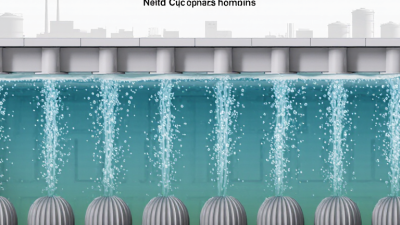
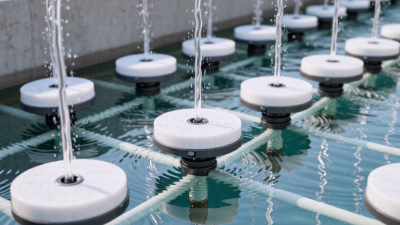
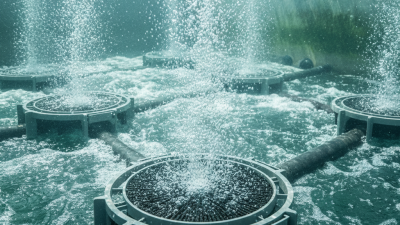
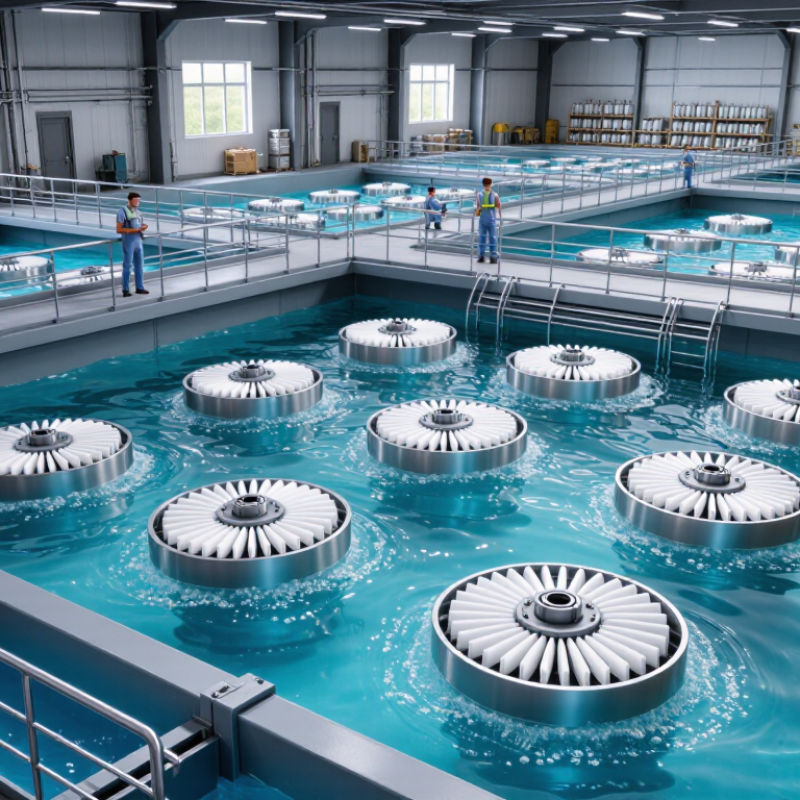
Disc diffusers release air through perforated membranes mounted on the floor of an aeration basin. Their fine bubbles rise through wastewater, transferring oxygen to microorganisms that break down organic matter. Small bubbles help. But performance depends on more than bubble size: airflow, water depth, fouling, and wastewater characteristics all affect oxygen transfer.
The U.S. Environmental Protection Agency’s Energy Efficiency in Water and Wastewater Facilities guidance identifies aeration as a major electricity demand, with its share often reported at roughly 45–75% of a treatment plant’s energy use. The range is broad because plant layouts and operating conditions differ. For buyers, this makes diffuser selection an energy decision as well as an equipment choice. Compare oxygen-transfer performance under stated test conditions, and check pressure loss and recommended airflow.
In daily operation, operators should watch for uneven bubbling, rising blower pressure, and clogged or hardened membranes. These signs can indicate fouling or wear. A diffuser that performs well in a clean test tank may behave differently in real wastewater; that gap deserves attention. Maintenance access, membrane replacement intervals, and compatibility with existing blowers matter too. Disc diffusers are not a cure-all, but careful sizing and routine inspection can help keep aeration reliable.
Key Criteria for Evaluating Disc Diffuser Manufacturers
When comparing disc diffuser manufacturers, look beyond headline oxygen-transfer figures.
Ask how tests were conducted, including water temperature, tank depth, airflow, and test duration. Clean-water results may not match wastewater performance. The gap matters.
Check whether the manufacturer can provide pressure-loss data across the recommended airflow range. Request membrane material specifications, pore-size consistency records, and clear guidance on replacement intervals. Ask for sample test reports, not just a polished brochure. Details matter. A useful report should identify its test conditions and measurement method.
Manufacturing quality also shows in practical details: consistent disc dimensions, secure connections, and membranes that can be replaced without dismantling a large grid. Ask how batches are inspected and whether production records can be traced to supplied units. Site support matters, too. Confirm installation guidance, troubleshooting access, and warranty terms before ordering. A tidy datasheet can still leave questions unanswered. I would also check whether the proposed airflow suits the tank layout, rather than assuming one specification fits every project. That takes extra effort, but prevents avoidable surprises after installation.
Profiles of Leading Disc Diffuser Manufacturers Worldwide
Leading disc diffuser manufacturers worldwide vary in production scale, material choices, and engineering support. Some specialize in high-volume units for municipal wastewater plants, while others build custom layouts for industrial tanks. A useful profile should explain the membrane material, disc diameter, connection type, and operating airflow range. These details help buyers compare products under similar conditions.
Experienced suppliers can provide airflow test data, installation drawings, and guidance on cleaning or replacement intervals. Ask how they check membrane consistency across production batches. A clear answer matters more than a polished catalogue. Regional availability of spare parts also affects maintenance planning, especially when a plant operates continuously.
Tips: Request a sample datasheet and confirm its test conditions. Compare oxygen-transfer figures only when water depth and airflow are stated. Check compatibility with your existing pipework.
A manufacturer’s reputation is useful, but it cannot replace an application review. Tank depth, wastewater characteristics, and blower capacity all influence diffuser performance. One detail is easy to miss: a diffuser may fit the grid yet distribute air unevenly. Site trials or references from comparable installations can reduce uncertainty. Still, published data rarely captures every operating condition, so leave room for follow-up checks.
Global Sourcing, Standards, and After-Sales Support
Global sourcing starts with a clear duty specification. Buyers should compare disc diameter, membrane material, connection type, and expected airflow across quotations. A diffuser can look simple. Yet pore consistency and support geometry affect bubble distribution and operating performance. Ask suppliers for product drawings, material data, and test conditions behind stated oxygen-transfer figures. Numbers without test context are hard to compare. Request sample inspection photos or a pre-shipment check when order size justifies it. Small details matter.
Standards vary by project and destination. Follow the requirements listed in the project documents, and confirm applicable test methods with the design engineer. Ask for material certificates, inspection records, and traceability details for each production batch. After-sales terms deserve equal attention. Confirm membrane warranty limits, spare-part lead times, installation guidance, and the route for technical support. Get response times in writing. Downtime is costly. Even experienced buyers can miss a replacement detail when comparing prices; that is worth reviewing before an order is released. A supplier should explain performance limits plainly, rather than promise identical results in every tank.
Top Disc Diffuser Manufacturers for Global Buyers: Sourcing, Standards & Support
Publication years of selected international standards that buyers may encounter when reviewing supplier quality, environmental management, occupational health and safety, and testing competence.
These standards address management systems or laboratory competence; they do not by themselves certify disc diffuser performance. Buyers should confirm each certificate’s validity and scope, request relevant product test data, and assess spare-parts availability and after-sales response arrangements separately.

 +86 13600513715
 CONTACT NUMBER
 CONTACT NUMBER