+86 13600513715


Which equipment deserves the label “best” in China? The answer depends on the sludge, plant capacity, and operating goals. Mechanical Sludge Dewatering equipment can reduce hauling volume, but no single press or centrifuge suits every treatment line. A belt filter press, screw press, and decanter centrifuge each behave differently when feed solids, polymer dose, and throughput change.
Professor Emeritus George Tchobanoglous is a recognized wastewater engineering authority. To avoid misattribution, the following is an editorial summary of a process-focused engineering principle, not a verified quotation from him: “Choose dewatering equipment by matching performance to the sludge and the plant—not by the machine name alone.” That distinction matters. A supplier’s headline capacity may not reflect your sludge’s real behavior. Ask for trial data, cake solids, capture rate, energy use, and polymer consumption under comparable conditions.
Look closely at the details. Is the cake firm enough for the site’s handling system? Does filtrate remain clear during a sudden feed change? Can operators clean screens and adjust settings without lengthy shutdowns? These questions reveal more than a polished brochure. Sometimes, the cheaper unit costs more in daily attention. And the highest output may not be the best result.
This guide compares China-based options through practical criteria: process fit, materials, control features, service support, and verifiable performance. Site conditions still matter. Without representative sludge tests and clear operating data, any “best” ranking deserves a second look.
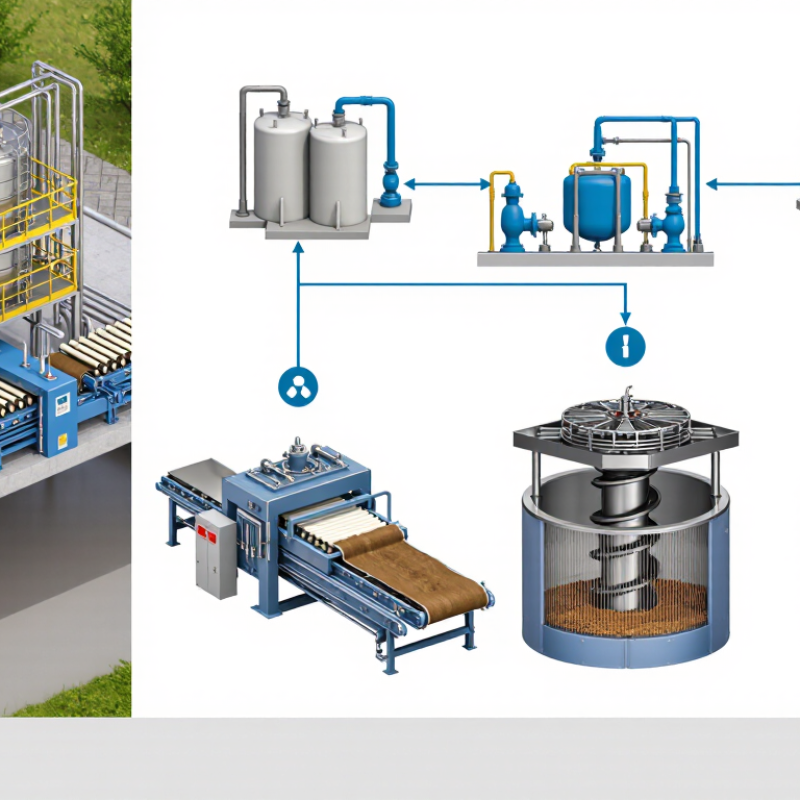
Mechanical sludge dewatering often starts with a dilute feed, commonly around 1% to 5% total solids. At 1%, a tonne of sludge contains roughly 10 kilograms of dry solids; at 5%, it contains about 50 kilograms. That difference changes the water load substantially. It also affects pumping, polymer demand, and how much cake a press can handle. Small numbers matter.
These figures are a working range, not a guarantee. Before choosing a belt press, screw press, or centrifuge, test the actual sludge. Municipal waste activated sludge may respond differently from primary sludge, even at the same solids percentage. Samples should be checked across shifts, since rain, production cycles, or upstream thickening can change consistency. Jar tests and pilot runs help establish polymer dosage and achievable cake dryness. A feed fluctuating between 1% and 5% may need equalization or upstream thickening, not just a larger unit. In practice, it is easy to over-trust one laboratory result. Record flow, solids, polymer use, and cake quality during trials; size around normal conditions and peaks. Performance still depends on sludge characteristics and daily operation.
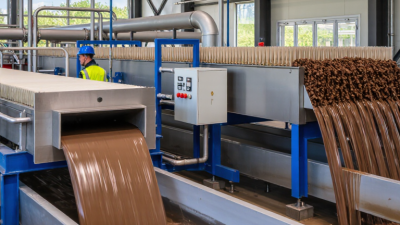
China Best Mechanical Sludge Dewatering Equipment?
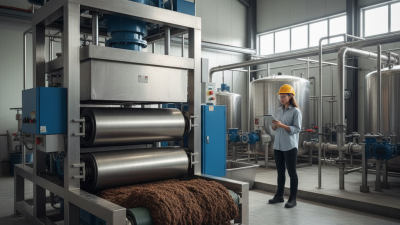
Belt, screw, and centrifuge presses can produce cake within a broad 15%–30% solids range. The right result depends on sludge type, polymer dose, and operating settings. A percentage is not a guarantee. It describes dry solids in the discharged cake, not how easily that cake handles.
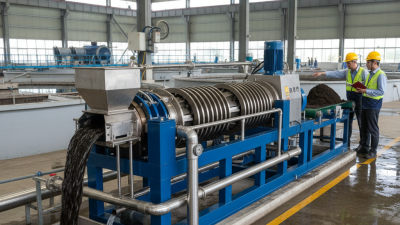
Belt presses commonly reach about 15%–25% solids. They use gravity drainage and pressure between moving belts, so operators can see the cake and adjust wash water or belt tension. Screw presses often fall around 15%–25%, with slower, enclosed compression and generally lower wash-water demand. Centrifuges may reach roughly 20%–30%, using rotation to separate solids from liquid. They are compact, but power use and wear deserve close tracking.
Check the actual sludge before choosing. Fibrous material may behave differently from biological sludge, even on the same machine. A jar test and a short equipment trial can reveal polymer needs and cake texture. Look beyond the lab number: can a shovel lift the cake, and does filtrate remain cloudy? Small details matter. These ranges overlap, and that can make comparisons frustrating. A higher solids figure may still mean more energy, maintenance, or operator attention. The trade-off is easy to underestimate.
Mechanical sludge dewatering performance is best judged by measured solids capture, not advertised capacity. In many well-managed applications, capture rates commonly exceed 90%, but this is not guaranteed. Results depend on sludge type, polymer selection, feed consistency, and operating settings. Measure incoming solids and solids in the filtrate. Small samples can reveal meaningful losses. Record flow and suspended-solids results across several shifts, rather than trusting one clear-looking sample.
Track cake solids, throughput, polymer use, and wash-water demand alongside capture rate. These measures show trade-offs: higher capture may come with wetter cake or greater chemical use. Keep sampling points consistent, label containers, and note changes after each adjustment. Simple records matter. Lab results vary, and sampling errors happen; even a tidy spreadsheet can hide uneven sampling. If capture drops, inspect the screen or cloth, check for feed surges, and review polymer mixing before changing several settings at once. A controlled trial helps isolate the cause.
Set Operating Conditions: Polymer Dosage Often Ranges from 2–10 kg/tDS
Polymer dosage is a starting point, not a fixed recipe. EPA’s 2000 belt filter press fact sheet is EPA 832-F-00-057. It reports a typical range of 2–10 kg per metric tonne of dry solids. Confirm whether your supplier’s dosage means active polymer or diluted product; confusing the two can distort operating costs. Sludge type, solids concentration, polymer preparation, and equipment settings all affect demand.
Run jar tests, then adjust the dose in small steps during full-scale operation. Watch the filtrate for suspended solids and note cake dryness, belt condition, and solids capture. A clear filtrate alone does not prove the setting is right. Excess polymer can make the cake sticky and raise costs, while too little may leave the cake wet. Keep records by sludge batch; results can shift after rainfall or changes in upstream treatment. Small changes matter.
Tips: Prepare polymer consistently and allow adequate maturation time. Change one setting at a time, then record the result. If dosage rises unexpectedly, check feed solids and mixing before simply adding more polymer. A neat operating log helps, though it cannot explain every odd result.
Choose China-Made Equipment by Throughput, Energy Use, Wear, and Serviceability
Choose equipment against your actual sludge, not a catalogue’s headline capacity. Ask whether throughput means wet feed or dry solids per hour; the difference can be substantial. Sludge varies with season, production shifts, and upstream treatment. A pilot test using representative samples gives more useful results than a single factory test. Record cake dryness, polymer use, and power consumption.
Small details matter.
Compare energy per ton of dry solids, and include wash water and polymer in operating costs. Check wear points such as screw flights, belts, bearings, and seals, especially if grit enters the sludge. Ask how quickly routine parts can be inspected or replaced. Can one technician reach the bearings without dismantling half the machine?
A supplier’s service plan should state response times, spare-part availability, and operator training. These claims need verification. Request drawings, maintenance intervals, and a practical trial. I would not trust a low energy figure without knowing the sludge conditions behind it; even a careful comparison can miss changes in feed quality.