Top 10 Sludge Dewatering Screw Press Benefits for Global Buyers?
In today’s industrial world, effective waste management is crucial. The Sludge Dewatering Screw Press plays a vital role in this process. It not only improves efficiency but also reduces costs. Many global buyers seek out this technology for its numerous benefits.
The Sludge Dewatering Screw Press offers significant advantages. It helps to reduce the volume of sludge, leading to lower disposal costs. Additionally, this technology minimizes water content, facilitating easier handling. Users often notice the operational simplicity. However, some still question its long-term durability. It's essential to weigh these factors carefully before investment.
Choosing the right sludge treatment technology can be daunting. The Sludge Dewatering Screw Press stands out in the market. Its unique design allows for continuous operation, yielding higher efficiency. Nonetheless, potential buyers should consider their specific needs. Understanding these benefits can lead to better decision-making.
Understanding Sludge Dewatering Screw Press Technology and Functionality
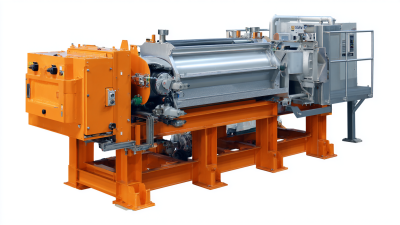
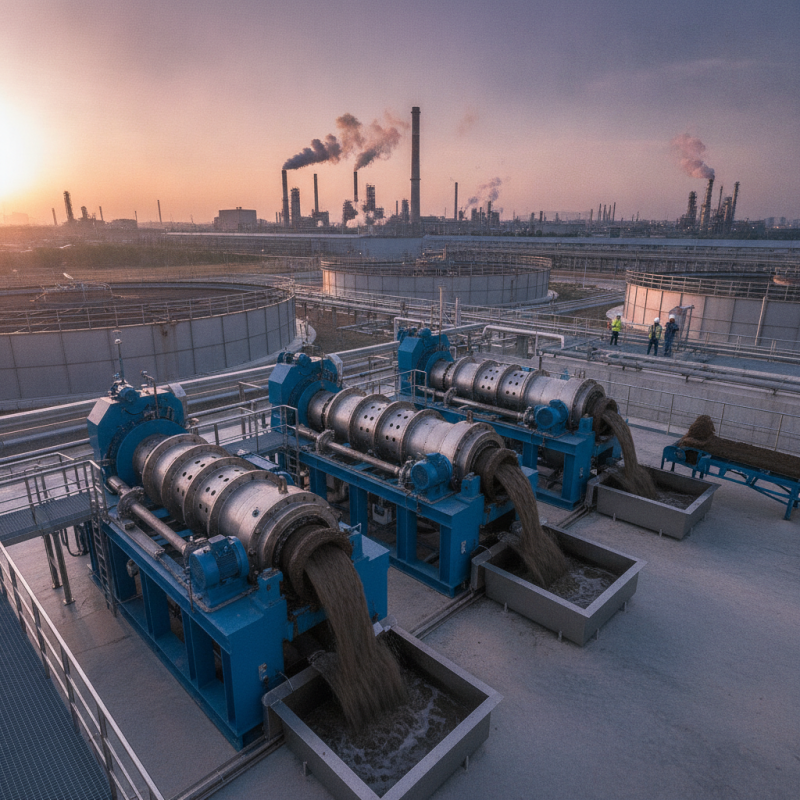
Sludge dewatering screw presses are becoming increasingly vital in waste management. They effectively reduce the volume of sludge while maintaining a compact footprint. This technology operates by using a combination of pressure and friction to extract water from sludge. The result is a drier, more manageable waste product, which is crucial for various industries.
The functionality of these machines focuses on efficiency. They often feature a simple design that minimizes maintenance needs. However, they require precise calibration for optimal performance. Inadequate adjustments can lead to poor dewatering results. Understanding the intricacies of this technology can help users optimize their systems. As plants want to ensure compliance with environmental standards, these presses offer a practical and sustainable solution.
Despite their advantages, challenges persist. Not all sludge types can be processed effectively. Some materials may cause blockages or reduced efficiency. Also, the initial investment can be high. Buyers need to weigh these factors before deciding. The importance of this technology cannot be overlooked as industries strive to improve waste management practices.
Key Advantages of Using Screw Press for Sludge Dewatering Applications
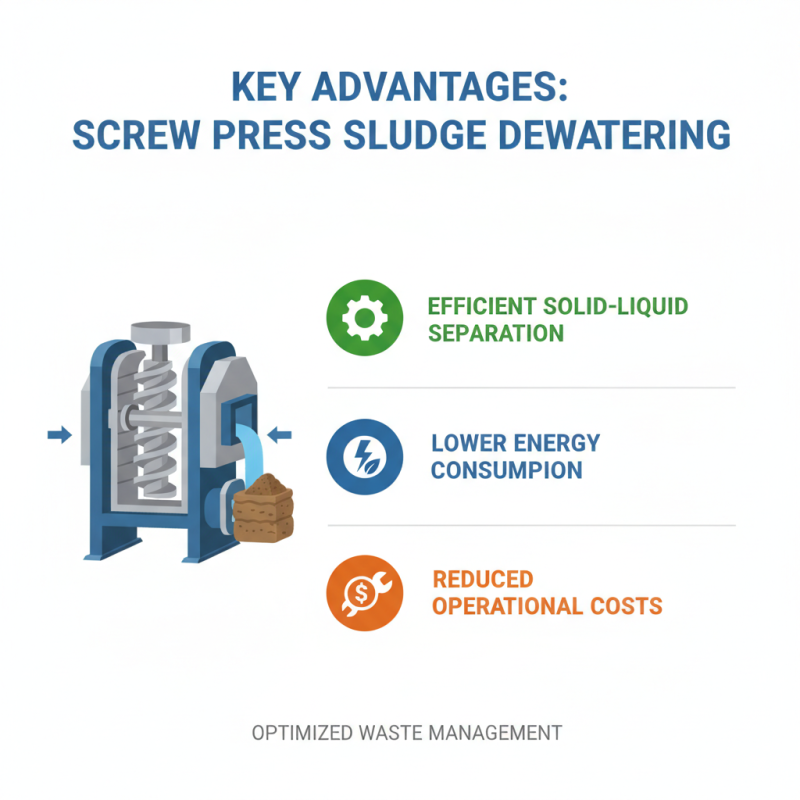
Screw presses offer significant advantages for dewatering sludge, making them ideal for various industrial applications. Their design allows for efficient separation of solids from liquids, facilitating the handling and disposal of waste materials. This technology is less energy-intensive compared to traditional methods. It reduces operational costs by optimizing the dewatering process.
Another crucial benefit is the compact size of screw presses. They require less floor space than other dewatering systems, making them a practical choice for facilities with limited space. Additionally, they can handle varying sludge types, enhancing flexibility in waste management procedures. The ability to process thick, high-solids sludge is particularly valuable. However, users may find it challenging to adapt to specific sludge characteristics, necessitating further research and adjustments.
Moreover, screw presses often deliver a drier cake, which improves the overall waste handling system. This is particularly important for reducing transportation costs. Regular maintenance, however, is essential to ensure optimal performance. Users should monitor wear and tear regularly. While they generally require less manpower, adequate training is still necessary for operators. Balancing these elements can lead to increased efficiency and sustainability in sludge management.
Cost-Effectiveness and Efficiency of Sludge Dewatering with Screw Press
The cost-effectiveness of sludge dewatering using screw presses is noteworthy. These systems significantly reduce the volume of sludge, translating to lower disposal costs. By efficiently removing water, they help municipalities and industries save on processing fees. This lowers the overall operational expenditures, making them an appealing choice.
Moreover, the efficiency of screw presses lies in their ability to provide consistent results. They can handle varying sludge types, which is crucial for diverse applications. However, some users report challenges with maintenance. Regular checks and adjustments are necessary to ensure optimal performance. This can lead to unplanned costs, highlighting the need for careful management.
Despite these challenges, the long-term gains often outweigh the initial investment. Reduced labor costs and increased throughput enhance overall productivity. Observing operations from different angles offers insights into improvements. Fine-tuning processes becomes vital for maximizing efficiency. Experimenting with minor adjustments can lead to substantial performance enhancements over time.
Environmental Benefits of Implementing Screw Press Dewatering Solutions
The environmental benefits of implementing screw press dewatering solutions are significant. Screw presses reduce the volume of sludge, which helps minimize disposal costs. The reduction in sludge volume also translates to lower transportation emissions. By concentrating waste, facilities can operate more sustainably.
Another advantage is the efficient separation of liquids and solids. This process helps recover valuable resources like water and nutrients. Recovered water can be reused in various applications, decreasing the overall demand for fresh water. Nutrients can also be repurposed as fertilizers, promoting a circular economy approach.
Despite these advantages, challenges remain. Some facilities face limitations in processing diverse sludge types. Operators might need additional training to optimize the system. Improvements in technology may be necessary to fully harness the potential of screw presses. These factors can impact overall efficiency and effectiveness, warranting further consideration and development.
Comparative Analysis: Screw Press vs. Traditional Dewatering Methods
When considering sludge dewatering, the choice between screw presses and traditional methods is crucial. Screw presses have gained popularity due to their efficiency. They handle a wide variety of sludge types and maintain a consistent output. Traditional dewatering often relies on processes like centrifugation and belt presses, which can be more labor-intensive. These methods may require regular maintenance and higher operational costs.
Screw presses offer lower energy consumption compared to traditional methods. This provides a significant cost-saving benefit over time. Moreover, they produce drier cake solids, which is crucial for disposal. However, some users note that initial capital investment can be high. It's essential to weigh this against long-term savings and benefits.
Another notable difference is in footprint. Screw presses occupy less space, making them suitable for facilities with limited room. Traditional systems can require expansive setups. Despite these benefits, some operators report that screw presses may not perform optimally with certain sludge types. Continuous evaluation of performance is necessary. Ultimately, the best choice depends on specific operational needs and sludge characteristics.

 +86 13600513715
 CONTACT NUMBER
 CONTACT NUMBER