 +86 13600513715
Leave Your Message
-
CONTACT NUMBER
-
 CONTACT NUMBER
-
 CONTACT NUMBER
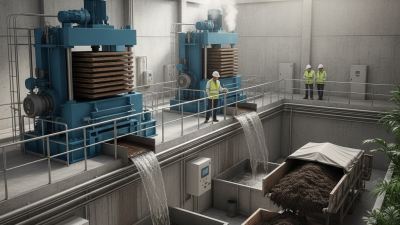
Mechanical Sludge Dewatering is a practical step in managing wastewater residuals. It removes some water from sludge, producing a denser cake and a liquid stream for further treatment. The change is visible on site: a watery feed can become material that is easier to convey or load. Less water often means fewer truckloads and simpler handling. It is not magic.
The benefits extend beyond volume reduction. A suitable press or centrifuge can support storage, transport, and later treatment. Operators must monitor polymer dosage, feed solids, machine settings, and the quality of the separated liquid. Small changes in sludge composition can affect performance. A machine that runs well one week may struggle after a process change. That detail matters.
This article explores why mechanical dewatering matters, how common equipment works, and what influences its results. It also considers trade-offs such as energy use, maintenance, labor, and cake dryness. Bench tests or pilot runs can help teams assess equipment and polymer choices before full-scale changes. Useful measures include cake solids, solids capture, and operating costs. These should be judged using site data, not equipment claims alone. A drier cake is not automatically better if energy or chemical use rises sharply. Results also depend on the sludge itself, so there is no universal setting. That can be frustrating. Dewatering does not make sludge harmless; appropriate handling and final management still matter.
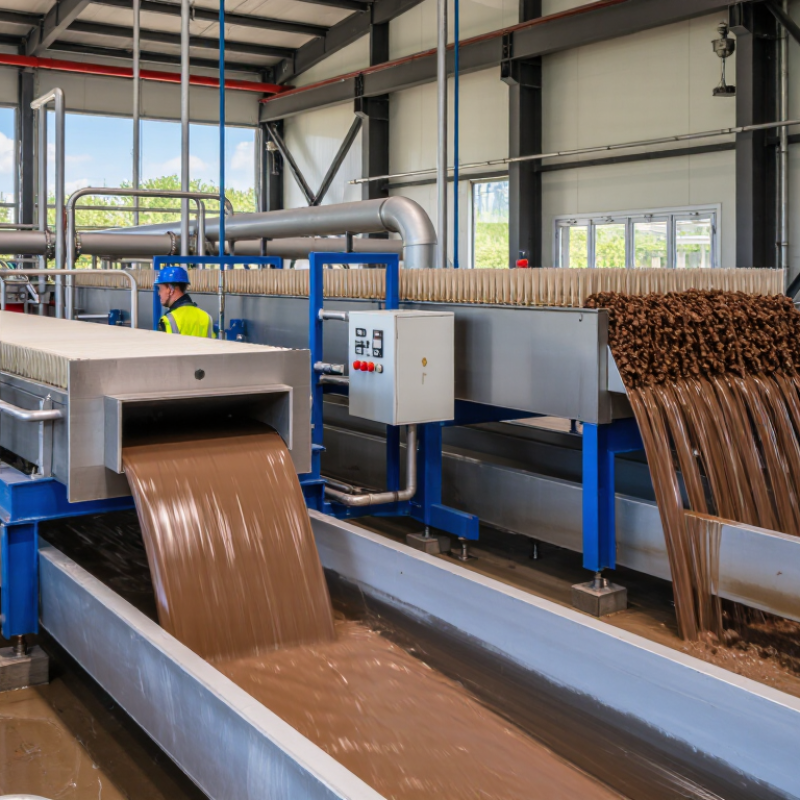
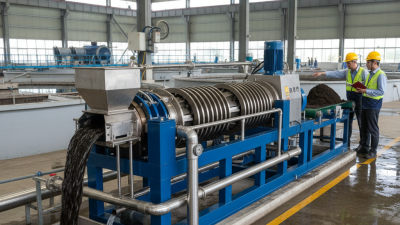
Mechanical sludge dewatering is a physical process that removes water from sludge, reducing its volume before transport, treatment, or disposal. A pump feeds the wet material into equipment that uses pressure, rotation, or a combination of both. The separated water leaves as filtrate or centrate, while the remaining damp solids form a cake. This is not the same as drying: the cake still contains moisture. It sounds simple. It is not always.
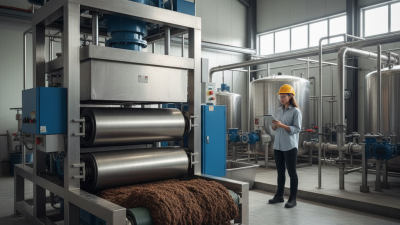
Different machines separate water in different ways. Belt presses move sludge between porous belts and squeeze it through rollers. Centrifuges spin it rapidly, while screw presses gradually compress it along a rotating screw. Before separation, operators may add a conditioning agent to help fine particles gather into larger flocs. Mixing matters; too much or too little can make the process less effective. Each machine also responds differently to changes in sludge composition.
Results depend on the incoming material, equipment settings, and operating conditions. A cake that looks firm may still hold substantial water, so appearance alone is a poor measure of performance. Operators commonly track cake solids, water flow, and signs of unstable operation. The separated liquid may need further treatment or return to an earlier stage. Mechanical dewatering reduces the amount of material to handle, but it does not make sludge disappear.
| Dimension | Typical Information | Why It Matters |
|---|---|---|
| Definition | Mechanical sludge dewatering uses equipment and applied forces—such as pressure, rotation, or filtration—to separate water from sludge and produce a wetter solid called cake. | It reduces the amount of liquid that must be stored, transported, treated, or disposed of. |
| Common feed concentration | Many municipal wastewater sludges are fed to dewatering equipment at roughly 1–5% total solids, although actual values vary by sludge type and upstream thickening. | Feed solids affect equipment capacity, chemical demand, and the achievable cake dryness. |
| Belt filter press | Typical cake solids are often around 15–25% for municipal wastewater sludge. Performance depends on sludge characteristics, conditioning, and operating settings. | Continuous operation can make it suitable for facilities with a steady sludge flow. |
| Centrifuge | Typical cake solids are often around 15–30% for municipal wastewater sludge. Results vary with sludge type, polymer conditioning, and operating conditions. | Continuous separation in a compact machine can reduce the space needed for dewatering. |
| Screw press | Typical cake solids are often around 15–30% for municipal wastewater sludge, with substantial variation by application and sludge properties. | Its relatively slow, continuous pressing action can be useful where low-speed operation and manageable maintenance are priorities. |
| Filter press | Batch filter presses can produce relatively dry cake; municipal sludge results commonly fall around 25–45% solids, depending on sludge and press conditions. | Higher cake solids can further reduce the mass and volume sent for final handling, though the process is typically batch-operated. |
| Solids capture | Capture is the proportion of incoming suspended solids retained in the cake. Many well-operated systems can achieve roughly 90–98% capture, but actual results vary. | Higher capture reduces solids in the separated liquid, which may otherwise require return to the treatment process or additional handling. |
| Illustrative volume reduction | Assuming similar sludge density, increasing sludge from 1% to 20% solids reduces the approximate wet volume to about one-twentieth of its original volume—a reduction of roughly 95%. | Less volume can mean fewer truckloads and lower storage and handling requirements. This is an illustrative calculation, not a guaranteed plant result. |
| Important operating factors | Sludge composition, particle size, polymer or other conditioning, equipment settings, and the required cake solids all influence performance. | Testing representative sludge and monitoring cake solids, capture, and operating costs helps determine the appropriate process. |
| How to interpret the ranges | Values are indicative ranges, not guaranteed specifications. Actual performance varies with sludge source, measurement method, conditioning, equipment design, and operating conditions. | |