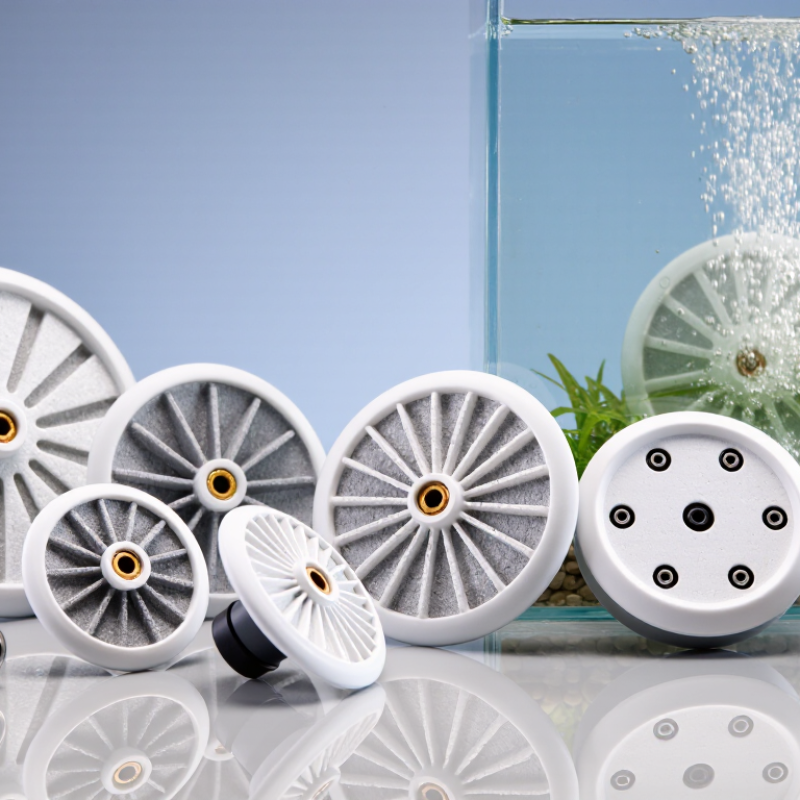
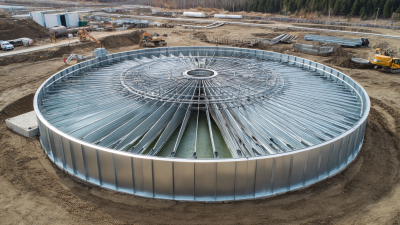
Choosing the best Air Diffuser Disc in 2026 depends on where it will be used, how much air the pump can supply, and what kind of bubbles you need. In an aquarium or pond, a disc can spread bubbles across a wider area than a small air stone. The result may be steadier-looking aeration, but performance still depends on water depth, pump pressure, tubing, and the disc itself. No single model suits every setup.
This guide looks at practical details that are easy to overlook: disc diameter, connection size, material, airflow requirements, and cleaning instructions. Fine bubbles can look impressive. They are not automatically better for every tank or water feature. Check the pump’s specifications and the manufacturer’s guidance before choosing, since an undersized pump may deliver weak airflow through a dense disc. A loose connection can waste air and make the whole setup seem less effective. Small details matter.
We also consider durability and ease of maintenance, not just initial price or product claims. Porous surfaces can collect debris or mineral deposits over time, so cleaning needs may affect long-term value. There is no perfect disc. Even a well-reviewed option may disappoint if its size or airflow does not match your system. The comparisons ahead are meant to help you narrow the choices, understand trade-offs, and select a disc suited to your actual conditions—not just the most attractive listing.
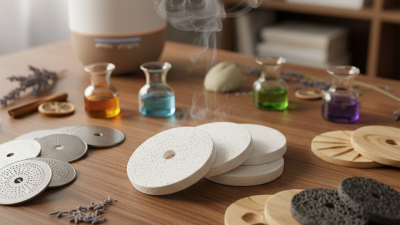
An air diffuser disc is a small piezoelectric component that vibrates rapidly in water. Its motion breaks the liquid into tiny droplets, creating a cool mist without boiling the water. A fan may then carry that mist into the room. The disc itself does not clean the air or control humidity; it only helps disperse liquid. Output depends on the device’s design, water level, and disc condition. The word “diffuser” can be confusing, since some units are designed for water only, not fragrance oils.
For a practical check, consider room humidity and cleaning needs, not mist volume alone. The U.S. Environmental Protection Agency advises keeping indoor relative humidity below 60%, ideally between 30% and 50%, to help limit moisture problems. A diffuser can raise humidity near the unit, but it may not change the whole room evenly. Place it on a stable surface and check the surrounding area for dampness. Small details matter.
Common Disc Types and Their Design Differences
Air diffuser discs differ mainly in pore structure, material, and bubble size. Sintered ceramic or mineral discs have rigid, porous surfaces that produce fine bubbles and resist deformation. Flexible membrane discs use small slits that open under air pressure and close when airflow stops. Coarse-bubble discs have larger openings, making them less prone to clogging but generally less efficient at transferring oxygen. Small details matter.
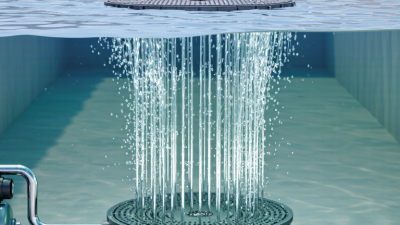
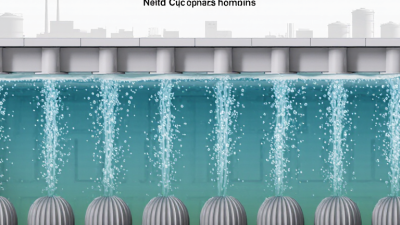
The U.S. EPA’s 2010 evaluation of energy conservation measures for wastewater treatment facilities reports that aeration can use roughly 25–60% of a plant’s energy. That range varies with site and operating conditions, but it explains why disc selection deserves care. Fine bubbles can improve oxygen transfer, yet mineral buildup or uneven airflow may reduce performance over time. A disc that looks efficient on paper can disappoint in hard water.
Tips: Match the disc’s material and pore design to water quality, airflow, and cleaning access. Check pressure loss and fouling during routine inspections, not just at installation. Keep one uncertainty in mind: no disc type is best for every tank.
Key Factors That Affect Diffuser Disc Performance
A diffuser disc’s performance depends on pore size, material, thickness, and the air pump’s output. Smaller pores usually create finer bubbles, which spread through the water more evenly. But they can also increase resistance, so a weak pump may produce little airflow. Not always better.
Material affects durability and cleaning. Ceramic and porous stone discs can provide steady aeration, but mineral deposits may gradually block their pores, especially in hard water. Rinse the disc when bubbles become uneven, and follow its care instructions. Cleaning matters. Scrubbing too hard can damage some surfaces, while soaking alone may not remove every deposit.
Disc size and placement matter, too. A wider disc can distribute bubbles across more of a tank, provided the pump can supply enough air. Keep it clear of gravel and debris, and check that bubbles rise consistently rather than escaping from one edge. There is no perfect disc. Match pore size and dimensions to the pump, water conditions, and space being aerated; a quick bubble check after installation can reveal a poor fit.
How to Compare Air Diffuser Discs in 2026
How to Compare Air Diffuser Discs in 2026
Start with the operating conditions, not the advertised bubble size. Record airflow per disc, water depth, temperature, and the blower’s available pressure. EPA’s 2010 evaluation of wastewater energy measures reports that aeration can use roughly 25–60% of a treatment plant’s energy. That range makes pressure loss more than a minor specification. Compare oxygen transfer at the same airflow and water depth, and ask whether figures come from clean-water tests or actual wastewater. They are not interchangeable.
Check membrane material, pore consistency, and replacement access. A disc that makes fine bubbles at low airflow may perform poorly when pushed beyond its tested range. Look for test methods aligned with ASCE/EWRI 2-06, which describes clean-water oxygen-transfer measurement, and request the full test conditions. Small details matter. Inspect the disc after operation for uneven fouling, hardened edges, or bubbles escaping around its seal. Those signs can reveal installation or maintenance problems, not just a weak product. I would still treat published efficiency as a starting point: wastewater chemistry, diffuser spacing, and aging can shift results, sometimes substantially. Compare lifecycle cost alongside purchase price, including blower power and service intervals. A neat datasheet is useful, but it is not field proof.
Choosing a Disc for Your Tank or Aeration System
The best air diffuser disc depends on the tank, water depth, and air pump—not simply the disc with the smallest bubbles. For a shallow aquarium or holding tank, a compact disc may provide enough circulation without creating a strong current. In a deeper tank, check that the pump can maintain airflow against the water pressure. Fine bubbles look appealing, but appearance alone is a poor measure of performance. Fit matters.
Compare the disc’s diameter, material, and airflow requirements with your system. A ceramic disc can produce fine bubbles, while other porous materials may suit different flow rates or maintenance routines. Check the manufacturer’s recommended operating range, then watch the bubbles across the tank. Uneven streams can point to a clogged surface, a kinked air line, or insufficient pump output. Small details count.
Placement changes the result. A disc near a corner may leave a quiet area behind equipment, while one placed centrally can create broader circulation. Avoid choosing a disc that overwhelms delicate livestock or stirs settled debris. There is no universally ideal bubble pattern, and my first placement would not always be my final one. Inspect the disc periodically; mineral deposits and biofilm can restrict airflow. Rinse it as directed, and replace it if cleaning no longer restores even bubbling.

 +86 13600513715
 CONTACT NUMBER
 CONTACT NUMBER