+86 13600513715


Choosing the right Sludge Press Machine can influence wastewater costs, operator safety, and daily plant reliability. Global buyers often compare equipment from different regions, yet specifications can be difficult to read consistently. A press that performs well in a municipal facility may struggle with oily sludge, abrasive minerals, or highly variable feed solids.
This guide examines ten sludge press machines for international purchasing decisions. It considers dewatering capacity, polymer demand, power consumption, cake dryness, corrosion resistance, maintenance access, and control systems. Practical details matter. A compact unit may fit beside a narrow settling tank, while a larger press could require reinforced flooring and wider service clearance. Stainless steel contact parts can support demanding applications, but they may increase the initial investment.
The selection also considers supplier experience, technical documentation, spare-parts availability, and commissioning support. These factors often determine long-term value more than headline throughput. Real performance depends on sludge characteristics, laboratory testing, and correct operating adjustments. No shortlist is perfect. Data sheets can omit difficult conditions, and reported capacities may vary between sites. Buyers should verify claims through references, trial results, and independent technical review.
Reliability matters most.
The following overview is designed to help engineers, plant managers, distributors, and procurement teams compare suitable options with greater confidence. It does not replace site testing or professional design advice. Instead, it provides a practical starting point for asking better questions before purchase, installation, and operation.
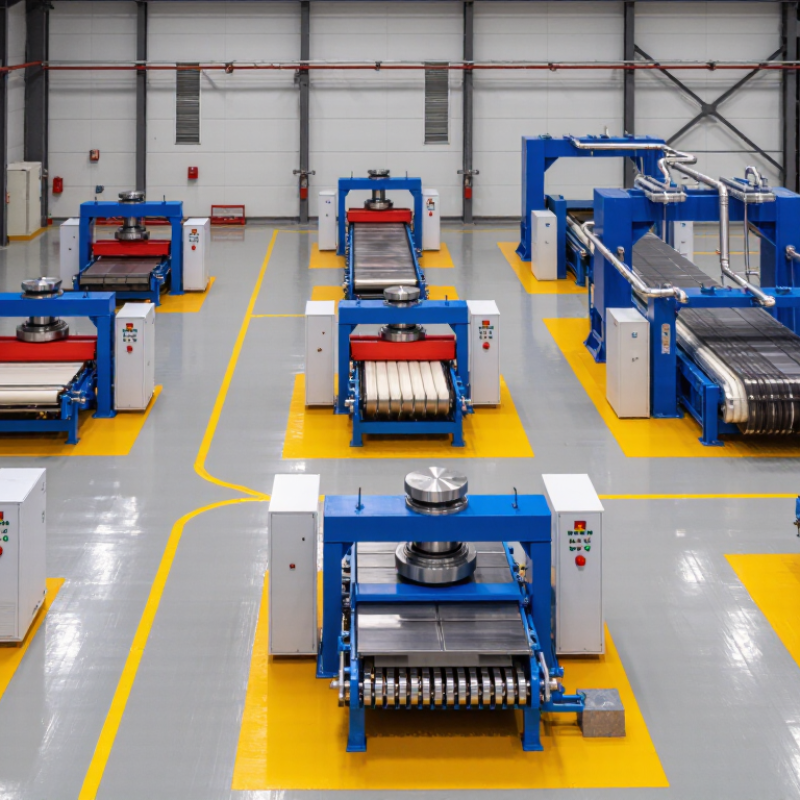
Sludge press machines remove water from wastewater sludge before transport, disposal, or further treatment. They use pressure, gravity, and filtration rather than heat. Common designs include belt filter presses, screw presses, and recessed-chamber filter presses. Sludge enters the machine as a watery mixture. Polymer may improve particle separation. A moving belt or porous chamber then holds solids while rollers or hydraulic plates squeeze water away.
The U.S. Environmental Protection Agency’s Belt Filter Press Fact Sheet reports typical cake solids of about 12–30%, depending on sludge type and conditioning. The European Commission’s Waste Treatment BREF also identifies mechanical dewatering as a practical method for reducing sludge volume. These figures are useful, but they are not promises. Polymer dosage, feed concentration, pressure, and washing routines can change results sharply.
Tips: Test the actual sludge before selecting equipment. Measure cake dryness, filtrate quality, energy use, and wash-water demand. A screw press may suit smaller plants with limited staffing, while a filter press can deliver drier cakes but usually needs batch operation. Keep a sample log during trials. Operators often discover that the “best” machine changes with seasonal sludge conditions. That detail is easy to overlook.
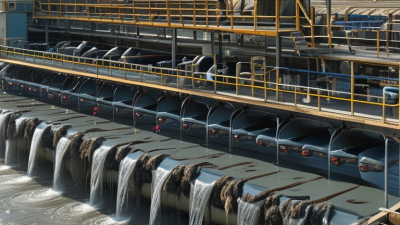
Choosing among the key types of sludge press machines depends on sludge texture, throughput, and disposal rules. Belt filter presses suit municipal sludge and continuous operation. They provide visible drainage zones and simple access for daily inspection. The U.S. EPA Biosolids Technology Fact Sheet reports typical cake solids of about 12–30% for belt presses. Solids capture can reach approximately 95–99% with suitable conditioning.
Screw presses fit smaller plants, food-processing wastewater, and sites with limited wash water. Their enclosed design reduces splashing and odor exposure. Typical discharge dryness often ranges from 15–25% dry solids, depending on polymer dosage and feed quality. They are not maintenance-free. Fibrous sludge can wrap around internal components and reduce capacity.
Chamber filter presses remain useful when higher cake dryness matters more than continuous flow. Industry wastewater guidance commonly places achievable cake solids near 30–40%, although sludge chemistry changes the result. Recessed-plate designs work well for mineral-rich or industrial sludge. Rotary drum thickeners may improve upstream concentration before pressing. The European Commission’s Best Available Techniques Reference Document for Waste Treatment stresses process control and water efficiency, not equipment choice alone. Global buyers should compare pilot-test data, wash-water demand, polymer use, and spare-part access. I would not trust catalog capacity alone. Real sludge is less cooperative. A small pilot can reveal the expensive mistake.
| Rank | Machine Type | Operating Principle | Typical Feed Solids | Typical Cake Solids | Typical Throughput Range | Best-Fit Applications | Main Advantages | Important Limitations |
|---|---|---|---|---|---|---|---|---|
| 1 | Belt Filter Press | Conditioned sludge is continuously compressed between porous belts through gravity drainage and progressive roller pressure. | 1–5% dry solids | 18–30% dry solids | Approximately 50–300 kg dry solids/h per metre of belt | Municipal wastewater plants, industrial wastewater, food processing and paper mills | Continuous operation, relatively low energy demand, high availability and easy visual monitoring | Usually requires polymer conditioning; wash-water demand and belt maintenance must be considered |
| 2 | Multi-Disc Screw Press | A slow rotating screw conveys sludge through fixed and moving rings while gradually increasing compression. | 0.5–4% dry solids | 18–30% dry solids | Approximately 5–150 kg dry solids/h, depending on screw diameter and sludge characteristics | Small and medium municipal plants, food waste, biological sludge and remote installations | Low power consumption, compact footprint, low noise and limited wash-water use | Lower cake dryness than many chamber presses; fibrous or abrasive sludge may increase wear |
| 3 | Recessed-Chamber Filter Press | Sludge is pumped into recessed filter chambers, where pressure forces liquid through filter cloths and retains a solid cake. | 1–8% dry solids | 30–45% dry solids | Approximately 10–300 kg dry solids/h, depending on chamber volume and cycle time | Industrial sludge, metal finishing, mineral processing and high-dryness dewatering | High cake dryness, clear filtrate and suitability for difficult-to-dewater sludge | Batch operation; cloth cleaning, plate handling and longer cycle times require attention |
| 4 | Membrane Filter Press | After mechanical filtration, flexible membranes inflate to squeeze the filter cake and remove additional water. | 1–8% dry solids | 35–50% dry solids | Approximately 15–300 kg dry solids/h, depending on filter area and cycle settings | Sludge disposal cost reduction, hazardous or industrial residues and applications requiring maximum cake dryness | Higher final cake solids than standard chamber presses and adjustable squeeze pressure | Higher capital cost, more complex controls and additional membrane maintenance |
| 5 | Plate-and-Frame Filter Press | Flat plates and frames hold filter cloths; pump pressure drives liquid through the cloth while solids form a cake in the frames. | 1–10% dry solids | 30–45% dry solids | Approximately 5–250 kg dry solids/h, depending on filter area and feed pump capacity | Laboratory, pilot, batch industrial and specialty sludge treatment | Flexible configuration, strong filtration performance and straightforward cake inspection | Manual or semi-automatic cake discharge can increase labor requirements |
| 6 | Pneumatic Filter Press | Compressed air or pneumatic cylinders apply pressure to filter plates or a diaphragm system to compact the sludge cake. | 1–8% dry solids | 30–45% dry solids | Approximately 10–200 kg dry solids/h, depending on press area and operating cycle | Explosive-risk areas, corrosive environments and plants requiring non-hydraulic actuation | Reduced hydraulic-oil risk, robust pressure application and compatibility with hazardous-area designs | Requires a reliable compressed-air system; air consumption and noise may be significant |
| 7 | Rotary Press | Sludge passes through a rotating cylindrical screen or drum where mechanical compression and drainage produce a dewatered cake. | 0.5–4% dry solids | 15–28% dry solids | Approximately 10–250 kg dry solids/h, depending on screen area and sludge type | Compact municipal installations, primary sludge and applications with limited floor space | Continuous operation, compact layout and relatively low operating power | Performance depends strongly on feed conditioning and screen cleanliness |
| 8 | Vacuum Belt Filter | A vacuum beneath a moving filter belt draws liquid through the sludge layer while gravity and belt travel support continuous dewatering. | 5–20% dry solids | 20–35% dry solids | Approximately 50–500 kg dry solids/h per metre of belt | Mineral concentrates, inorganic sludges, chemical residues and continuous filtration duties | Continuous filtration, good filtrate clarity and suitability for relatively permeable cakes | Vacuum equipment consumes energy; less effective with highly compressible biological sludge |
| 9 | Bag Filter Press | Sludge is pumped into porous filter bags; pressure and gravity separate water while solids remain inside the bags. | 1–8% dry solids | 20–35% dry solids | Approximately 5–100 kg dry solids/h, depending on bag size and cycle duration | Small wastewater facilities, emergency dewatering, temporary projects and low-volume industrial sludge | Simple installation, low initial cost and easy deployment where permanent equipment is impractical | Consumable bags may increase operating cost; generally unsuitable for large continuous flows |
| 10 | High-Pressure Hydraulic Filter Press | A hydraulic closing system maintains high plate pressure while a feed pump fills the chambers and forms a compact filter cake. | 2–12% dry solids | 35–50% dry solids | Approximately 20–400 kg dry solids/h, depending on press size, pump pressure and sludge permeability | High-strength industrial sludge, inorganic solids, mineral processing and applications with strict disposal limits | High pressure capability, strong cake formation and good adaptability to demanding industrial feeds | Batch cycles, higher equipment cost and greater requirements for hydraulic maintenance and safety |
Note: Performance ranges are typical engineering values for preliminary comparison only. Actual results depend on sludge type, particle size, polymer selection, feed concentration, temperature, pressure, filtration area and operating cycle.
Comparing the 10 best sludge press machines requires more than checking catalogue capacity. Start with feed solids, because a machine rated for 3% sludge may perform poorly at 1%. The U.S. EPA estimates that American wastewater plants generate about 7.2 million dry metric tons of biosolids yearly. This scale makes dewatering efficiency important, but published capacity can be optimistic. Request test data using your actual sludge. Measure cake dryness, polymer use, filtrate clarity, and hourly throughput under identical conditions.
Compare screw, belt, and plate-and-frame presses by operating conditions, not appearance. A plate-and-frame unit may produce a drier cake, while a screw press often uses less wash water and supports steadier operation.
Energy matters too. The European Environment Agency identifies wastewater treatment as a meaningful municipal energy user, so compare kWh per dry ton rather than motor size alone.
Check noise, odor control, cloth or screen replacement, corrosion protection, and access around the press. These details affect real maintenance costs.
Tips: Build a weighted scorecard. Give cake dryness, lifecycle cost, and service access the highest scores. Ask suppliers for references with similar sludge chemistry. Confirm local spare-parts availability. A small pilot is still worth funding. I would also question impressive laboratory results; seasonal sludge changes can reduce performance. Record polymer type, dosage, pressure, and feed temperature during trials, then compare all ten machines using the same measurements.
For global buyers, machine ranking should begin with operating evidence, not catalog claims. The World Bank report Wastewater: From Waste to Resource states that more than 80% of global wastewater is discharged without treatment. This creates strong demand for reliable sludge dewatering equipment.
Compare filter presses, belt presses, and screw presses by dry-solids throughput, cake dryness, polymer demand, wash-water use, and energy consumption. Request test results using your actual sludge. Laboratory data can mislead when feed chemistry changes.
Compare filter presses, belt presses, and screw presses by dry-solids throughput, cake dryness, polymer demand, wash-water use, and energy consumption.
Check construction materials carefully. Stainless steel grades, seals, bearings, and control cabinets must suit chloride levels and cleaning chemicals. Confirm electrical standards, automation compatibility, guarding, documentation, and spare-parts availability in the destination country.
The U.S. EPA’s Biosolids Technology Fact Sheet notes that belt filter press performance depends heavily on sludge conditioning and operator control. That detail is often underestimated. A lower purchase price may become expensive after six months.
Tips:
Ask for a witnessed performance test. Measure feed solids, cake solids, filtrate clarity, polymer use, noise, and hourly capacity. Insist on service training and a written maintenance schedule. Keep a realistic margin for seasonal sludge changes.
No machine wins everywhere. My own buying mistake would be trusting a single “best” percentage without checking the testing method. Independent reports, reference sites, and transparent calculations deserve more weight than polished brochures.
For global buyers, a sludge press should be judged beyond catalogue capacity. Installation begins with a level, reinforced foundation, clear service access, and a safe filtrate drain route. Confirm feed-pump pressure, polymer dosing, pipe diameter, electrical voltage, and emergency isolation before delivery. Local climate matters; freezing rooms and coastal humidity can distort small assumptions. The US EPA’s 2022 Clean Watersheds Needs Survey estimated $630.1 billion in US wastewater infrastructure needs over 20 years. Avoidable installation errors become expensive.
During commissioning, record feed solids, flow, polymer dose, motor load, cake moisture, and filtrate clarity. Change one setting at a time. Operators should inspect vibration, abnormal noise, pressure rise, and cake discharge every shift. A wetter cake does not always indicate machine failure. Dilution, poor floc formation, or unstable upstream thickening may be responsible. The UN World Water Development Report 2017 reported that more than 80% of global wastewater was discharged without treatment. Reliable dewatering supports resource recovery and discharge planning. Pilot-test figures can still disappoint with seasonal sludge.
Maintenance needs a written calendar, not memory. Flush filtrate channels, clean polymer lines, inspect screens and seals, lubricate approved bearings, and verify sensors against reference instruments. Keep critical spares locally. Seals, wear parts, and dosing components deserve priority. Review torque and energy trends monthly; gradual drift often appears before shutdown. Intervals should follow measured duty, not copied brochure promises. A practical weakness remains: many sites document repairs but not the sludge conditions that caused them. Record weather, odor, foam, and upstream process changes.