Top 5 Sludge Press Machines for Efficient Waste Management?
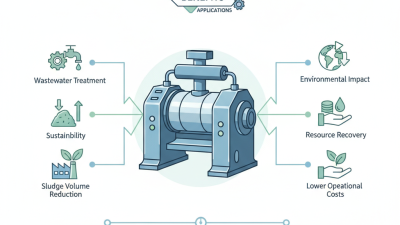
In today’s world, effective waste management is essential. The increasing amount of sludge generated from wastewater treatment poses significant challenges. Among various solutions, the Sludge Press Machine stands out. It plays a crucial role in reducing waste volume and enhancing resource recovery.
Choosing the right sludge press machine can be overwhelming. Many options are available, tailored for different scales and types of operations. Each machine has its unique features and specifications. It is important to consider factors like efficiency, durability, and operational cost. Furthermore, understanding the specific requirements of your facility can lead to better results.
However, not all machines perform equally. Some may require more maintenance than expected. Others might not deliver the anticipated results under certain conditions. It's crucial to evaluate these aspects carefully. Reflecting on your choices can lead to improved waste management strategies. With the right sludge press machine, it is possible to achieve efficient waste processing while contributing to a more sustainable environment.

Overview of Sludge Press Machines in Waste Management
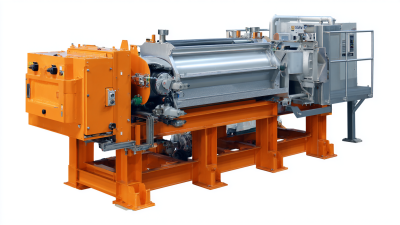
Sludge press machines play a crucial role in efficient waste management. These machines effectively reduce the volume of sludge, which is a byproduct of various industrial processes, including wastewater treatment. By mechanically pressing the sludge, they separate water from solid materials. This process minimizes disposal costs and promotes sustainable practices.
In waste management, the type of sludge press used can significantly impact results. Some machines excel in dewatering capabilities, ensuring a drier end product. Others may prioritize energy efficiency or ease of operation. Each option comes with its pros and cons, requiring careful consideration before selection. Understanding the specific needs of an operation can lead to better choices.
Operational challenges can arise with sludge press machines. Issues like clogging or inconsistent output pose risks. Regular maintenance is essential to ensure optimal performance. Operators must also stay informed about advancements in technology to improve efficiency. This continuous learning process can lead to better waste management practices in the long run.
Criteria for Choosing the Best Sludge Press Machine
When selecting a sludge press machine, efficiency is key. A well-chosen machine can significantly reduce waste volume, leading to lower disposal costs. According to recent industry reports, an effective sludge press can achieve a solids concentration of over 20%. This makes it easier for wastewater treatment facilities to manage their output. However, understanding specific needs is crucial.
Consider the size of the sludge you need to process. Machines come in various capacities, suited for different scales of operation. A facility handling large volumes might benefit from high-capacity machines, while smaller operations may not require such equipment. Noise levels are another factor. Some models operate quietly, which can enhance workplace safety and comfort.
Durability also matters. Look for machines made from high-quality materials to withstand harsh conditions. Maintenance requirements should be assessed too. Regular checks are vital for machine longevity. Assessing the initial cost against long-term savings can be challenging but essential for making a wise investment. Evaluating energy efficiency is an important factor, as it can lead to reduced operational costs. Getting the right sludge press machine isn’t always straightforward. Take the time to research and reflect on operational needs.
Top 5 Sludge Press Machines for Efficient Waste Processing
Sludge management is becoming increasingly crucial as industries expand. Efficient waste processing requires reliable sludge press machines. These machines are vital for reducing water content in sludge, facilitating easier disposal or reuse. Reports show that effective sludge dewatering can reduce disposal costs by up to 50%. Wastewater treatment facilities increasingly rely on these machines to improve overall efficiency.
Tips for choosing a sludge press machine include considering the specific type of sludge you handle. Different machines perform better with different sludge compositions. A machine that excels with municipal waste may not suit industrial applications. Review data on throughput capacity and maintenance frequency. Regular maintenance increases machine lifespan and ensures efficient operation.
Over time, some facilities realize their machines do not meet current needs. Upgrading may seem costly, but efficiency gains often pay off. Understanding your sludge's characteristics is key. It's essential to gather accurate data on sludge consistency and volume before making a decision. Investing time in this analysis leads to better choices for your waste management strategy.
Top 5 Sludge Press Machines for Efficient Waste Management
Comparative Analysis of Features and Performance
When exploring sludge press machines, it’s vital to analyze their features and performance. These machines play a key role in waste management. They help reduce waste volume effectively. Different machines offer various mechanisms, impacting their efficiency significantly.
Performance varies by design. Some machines utilize belt presses, while others use chamber presses. The choice of materials also affects performance, influencing durability and maintenance. Understanding these differences can guide the purchase decision. Energy consumption is another critical factor. High-efficiency models consume less energy during operation, offering long-term savings.
Maintenance requirements often go unnoticed. Some machines require regular lubrication and cleaning. Neglecting these needs can lead to performance issues. Reviewing user feedback helps identify common problems. This insight can shape future purchases. Efficiency is a top priority, but durability and support can’t be ignored. Each machine has its pros and cons; recognizing them aids informed choices in waste management.
Maintenance Tips for Optimal Operation of Sludge Press Machines
Maintaining sludge press machines is crucial for efficient waste management. Regular maintenance can extend the lifespan of the equipment and enhance its performance. Check the hydraulic system frequently. Even a small leak can lead to decreased pressure and efficiency. Make sure to inspect hoses and seals regularly.
Clearing blockages is another essential task. Sludge can accumulate and restrict flow. If left unchecked, this could cause operational failures. Schedule routine cleaning to avoid these issues.
Operators should also monitor the motor's temperature. Excess heat can indicate problems and signal the need for immediate attention.
Operators may overlook the importance of lubrication. Proper lubrication reduces friction and wear on moving parts. A well-lubricated machine operates more smoothly and efficiently. It's also vital to keep an eye on the filter system. Clogged filters can lead to reduced efficiency and possible equipment damage. Regularly replacing them ensures optimal operation. Neglect can lead to costly repairs and downtime.

 +86 13600513715
 CONTACT NUMBER
 CONTACT NUMBER