2026 How to Optimize Moving Bed Bioreactor for Wastewater Treatment?
In the realm of wastewater treatment, the Moving Bed Bioreactor (MBBR) stands out as a transformative technology. Experts like Dr. Emily Chen, a leading authority in biochemical engineering, emphasize its potential, stating, "The MBBR offers a unique solution for treating complex wastewater streams effectively." The MBBR employs suspended plastic carriers that enhance microbial growth, promoting efficient organic matter degradation while minimizing space requirements.
Despite its many advantages, optimizing the MBBR comes with challenges. Operators must consider factors like carrier density, hydraulic retention time, and aeration strategies. Each of these elements significantly influences treatment efficiency and biofilm development. Understanding these nuances is crucial for maximizing the system's performance.
The journey to perfecting the MBBR is ongoing. Operators need to continuously assess system dynamics and make necessary adjustments. Through careful monitoring and innovative approaches, the full potential of the Moving Bed Bioreactor can be realized. This commitment to improvement reflects the industry’s dedication to advancing wastewater management solutions.
Understanding the Basics of Moving Bed Bioreactor Technology
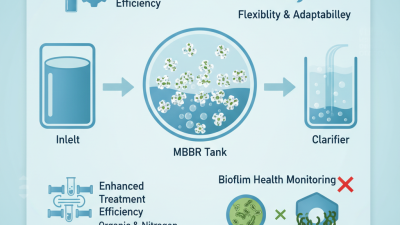
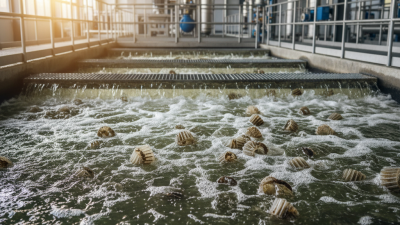
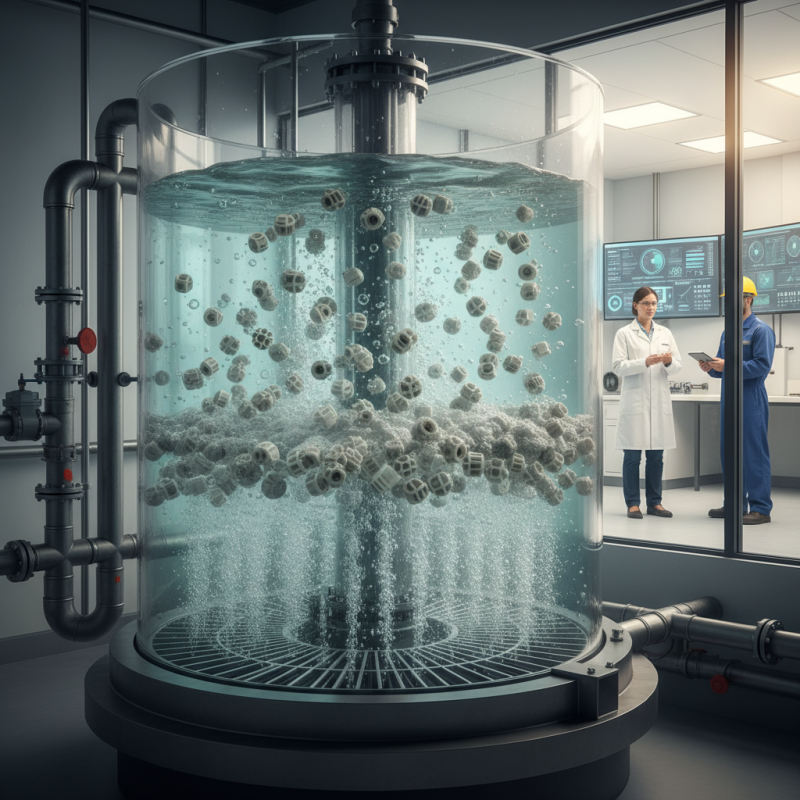
Moving Bed Bioreactor (MBBR) technology plays a significant role in wastewater treatment. It utilizes biofilm-covered carriers that move freely within a reactor. This enhances the biological treatment process, allowing for efficient degradation of organic materials. The compact design makes MBBR ideal for space-constrained facilities. Understanding this technology is key to optimizing its performance.
**Tip: Monitor the carrier movement regularly.** Ensuring the carriers are well-distributed can greatly improve treatment efficiency. If they cluster or settle, it may lead to reduced treatment capacity.
Moreover, maintaining optimal hydraulic retention time is crucial. Too short a retention time might not allow sufficient biodegradation. On the other hand, excessive retention may waste resources. Finding that balance is essential for effective operation.
**Tip: Regularly check the oxygen levels in the reactor.** MBBRs require proper aeration for the microorganisms to thrive. Insufficient oxygen can hinder performance and lead to unpleasant odors. Keeping a close eye on these factors can help enhance the overall effectiveness of the treatment process.
Optimization of Moving Bed Bioreactor (MBBR) for Wastewater Treatment
This chart illustrates the performance metrics of a Moving Bed Bioreactor system regarding different influent concentrations of organic material (BOD - Biochemical Oxygen Demand) and their corresponding removal efficiencies. As the BOD concentration increases, the MBBR system exhibits varying treatment efficiencies.
Key Components and Design Considerations for MBBRs
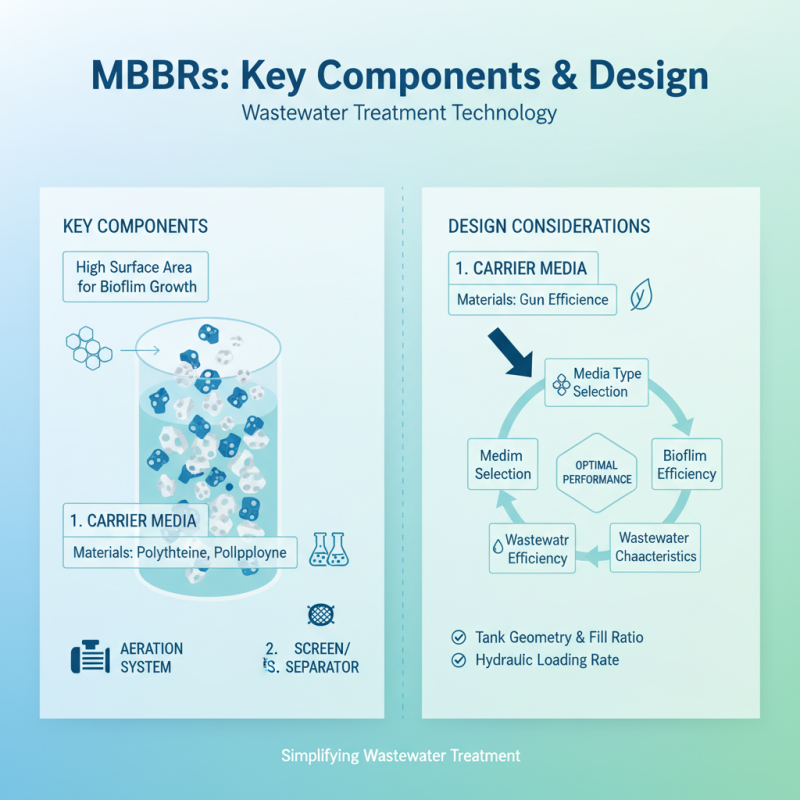
Moving Bed Bioreactors (MBBRs) play a vital role in wastewater treatment. Their efficiency largely depends on key components and design considerations. One crucial aspect is the choice of carrier media. The media should provide sufficient surface area for biofilm growth. Various materials, such as polyethylene or polypropylene, can be used. Each has its advantages and disadvantages. Sometimes, selecting the right type requires careful evaluation.
Another important design element is the configuration of the reactor. Optimizing flow distribution is critical. Uneven flow can lead to areas of low activity. This may reduce the overall performance of the system. Consistency in flow ensures that the biomass remains effective in treating wastewater.
**Tip:** Regularly monitor the biofilm thickness. Too thin may indicate inadequate growth. Too thick can lead to poor mass transfer.
Additionally, maintaining the right operational parameters is essential. Parameters such as temperature, pH, and dissolved oxygen levels can affect microbial activity. These conditions should be routinely checked and adjusted. A well-optimized MBBR can enhance treatment efficiency.
**Tip:** Consider seasonal variations in your designs. Temperature changes can significantly impact performance.
Proper maintenance of your system will also contribute to success. Regular inspections can help identify blockages or wear. Ensuring that all components function optimally will support long-term effectiveness in wastewater treatment. In summary, a thoughtful approach to MBBR design enhances performance.
Factors Influencing MBBR Performance in Wastewater Treatment
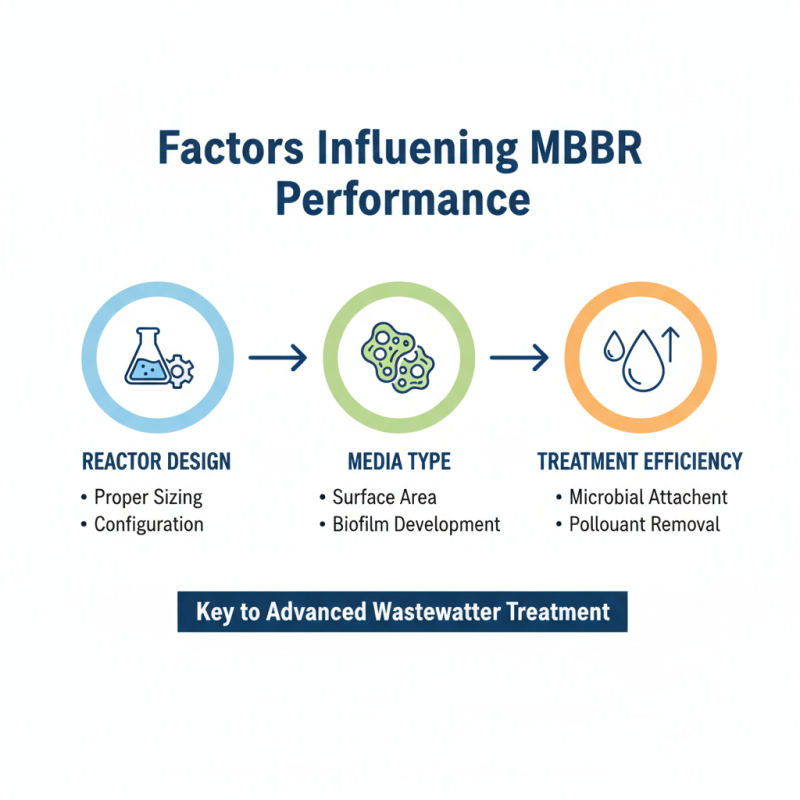
The performance of Moving Bed Bioreactors (MBBR) in wastewater treatment is influenced by several key factors. One critical aspect is the design of the reactor itself. Proper sizing and configuration can significantly enhance microbial attachment. The choice of media plays a vital role as well. Media with larger surface areas promote better biofilm development, which boosts treatment efficiency.
Another important influence is the aeration system. Consistent and adequate aeration maintains optimal oxygen levels. This fosters a healthy environment for microorganisms to thrive. Furthermore, flow patterns within the reactor affect treatment efficiency. Uneven flow can lead to dead zones, where minimal treatment occurs. Regular monitoring of flow rates can prevent these inefficiencies.
Temperature also impacts MBBR performance. Microbial activity typically increases with higher temperatures, but excessively high temperatures can inhibit growth. It's essential to strike a balance. Operators should also consider the characteristics of the wastewater, such as its chemical composition and solids content. Each batch can behave differently. This variability often necessitates adjustments to operational parameters. Striving for optimization requires continuous evaluation and adjustment, as every system is unique.
Optimization Techniques for Enhanced MBBR Efficiency
Optimizing Moving Bed Bioreactor (MBBR) systems can significantly enhance wastewater treatment efficiency. One effective technique involves adjusting the carrier materials.
Selecting the right type of media with an optimal surface area can improve microbial attachment. This promotes biofilm growth and contributes to better treatment results.
Another important factor is the hydraulic retention time (HRT). Tailoring the HRT allows for a more effective interaction between the bacteria and contaminants. However, finding the ideal balance is essential.
Too short a time may reduce the treatment efficiency, while too long could lead to unnecessary operational costs.
Monitoring operational parameters is also crucial for optimization. Regular checks on dissolved oxygen levels can help maintain a healthy aerobic environment. Inconsistent oxygen levels can negatively impact microbial activity, potentially leading to process failures.
Collecting real-time data and adjusting as necessary ensures the MBBR operates at peak efficiency.
Water quality variations must also be considered, as they require a flexible approach to management and intervention.
Common Challenges and Solutions in MBBR Operations
Moving Bed Biofilm Reactors (MBBRs) have gained attention for wastewater treatment. Yet, optimizing their efficiency poses several challenges. One significant issue involves biofilm development. A study highlighted that inconsistent growth can lead to underperformance, reducing the treatment efficiency significantly, sometimes by up to 30%. Achieving a stable biofilm on the moving media is crucial. Operators must monitor and adapt conditions regularly to ensure optimal growth.
Another common challenge centers around hydraulic retention times (HRT). An optimal HRT can vary widely depending on influent characteristics. The U.S. Environmental Protection Agency indicates that improper HRT management can lead to inadequate treatment. Operators often experience fluctuating influent loads, resulting in poor performance. Adjusting to these fluctuations demands a deeper understanding of biological processes. Operators should continuously refine their strategies to address these changes effectively.
Chemical dosing for optimal nutrient balance also presents difficulties. Over or under-dosing can affect microbial activity, impacting the overall treatment process. Research shows that excessively high chemical concentrations can inhibit growth, while insufficient levels can lead to nutrient deficiencies. Consequently, accurate monitoring and adjustment are vital. Regular staff training and adopting advanced monitoring technologies can help mitigate these issues. A proactive approach to common challenges ensures MBBR systems remain efficient and reliable in wastewater treatment efforts.
2026 How to Optimize Moving Bed Bioreactor for Wastewater Treatment? - Common Challenges and Solutions in MBBR Operations
| Challenge |
Description |
Solution |
Impact on Efficiency |
| Biofilm Control |
Excessive biofilm growth can lead to decreased reactor performance. |
Regular monitoring and controlling hydraulic retention time. |
Improves overall treatment efficiency. |
| Influent Variability |
Changes in influent characteristics can affect treatment stability. |
Implementing a flexible operational strategy and real-time monitoring. |
Maintains consistent effluent quality. |
| Nutrient Addition |
Nutrient deficiencies can hinder microbial activity. |
Adding balanced nutrients to the system. |
Enhances biological treatment processes. |
| Hydraulic Loading |
High hydraulic loading can lead to washout of biomass. |
Design adjustments to accommodate peak flows. |
Maintains biomass concentration. |
| Monitoring and Control |
Lack of real-time data can lead to unoptimized operation. |
Investing in advanced monitoring systems. |
Increases operational reliability and efficiency. |

 +86 13600513715
 CONTACT NUMBER
 CONTACT NUMBER