+86 13600513715


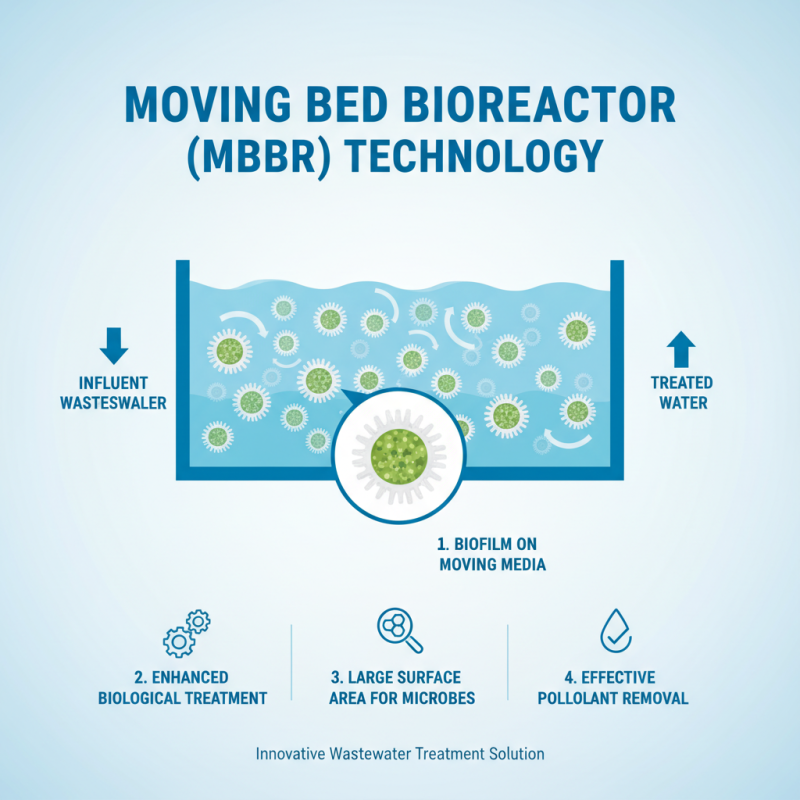
The Moving Bed Bioreactor (MBBR) technology has gained significant traction in wastewater treatment across various industries. A report from the Global Water Intelligence estimates that the market for MBBR systems is expected to reach USD 1.4 billion by 2026. This technology enhances microbial treatment efficiency, making it a preferred choice for many applications. MBBRs integrate biofilm growth with suspended biomass, allowing a more compact system and improved treatment rates.
Numerous case studies showcase its effectiveness in industrial and municipal wastewater management. For instance, a study by the Water Environment Federation highlights a 30% increase in treatment capacity when using MBBR compared to traditional systems. However, the growth of biofilm can lead to reactor fouling, requiring careful management.
Understanding the top applications of Moving Bed Bioreactor systems is crucial for maximizing their benefits. While the technology offers promising results, operators must navigate certain challenges. These challenges can include monitoring biofilm thickness and optimizing hydraulic retention times. By acknowledging its strengths and areas for improvement, industry professionals can leverage MBBRs for enhanced wastewater treatment solutions.
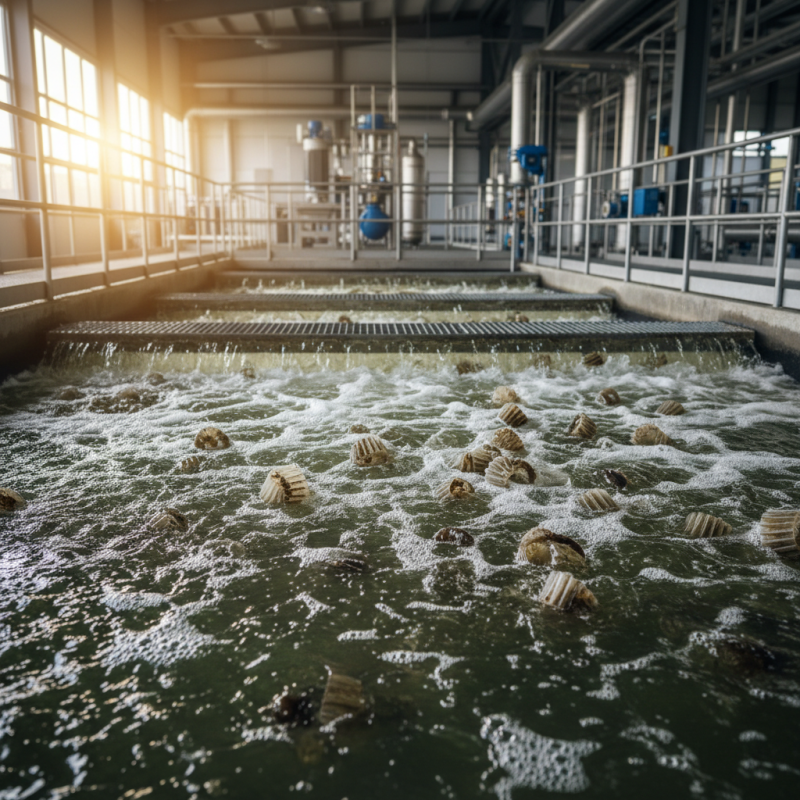
Moving Bed Bioreactor (MBBR) technology is gaining traction in wastewater treatment processes. This innovative approach uses moving media to enhance biological treatment efficiency. The media, typically small plastic carriers, provides a large surface area for microbial growth. This maximizes the interaction between wastewater and microorganisms, leading to effective pollutant removal.
MBBR systems are versatile and can adapt to various wastewater conditions. They can handle fluctuating loads and work well in both municipal and industrial applications. However, not all systems are created equal; some may face challenges in ensuring proper media movement. It is crucial to monitor existing bioreactor designs for potential shortcomings. For example, clogging can occur if the media is not adequately sized. Regular maintenance can alleviate these issues, ensuring reliable performance.
Implementation of MBBR technology often requires skilled personnel for optimal operation. Training staff in system management adds value to the investment. Each facility may need to troubleshoot unique challenges based on local conditions. Adopting MBBR can lead to significant improvements, but it is essential to continually assess the system’s performance for long-term success. Balancing innovation with operational reliability is key in wastewater treatment.
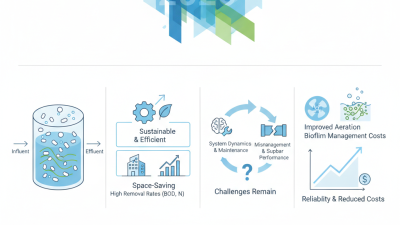
Moving bed bioreactors (MBBRs) play a vital role in modern wastewater treatment. Their unique design allows for a high concentration of biomass while ensuring effective treatment of water. These reactors use plastic carriers that float and provide a surface for microbial growth. This design promotes a more efficient breakdown of organic pollutants compared to traditional methods.
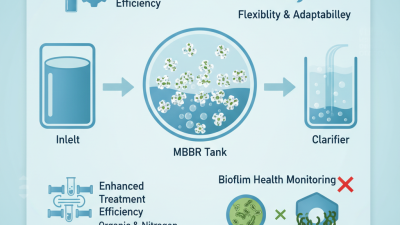
One key advantage of MBBRs is their compact size. They can fit in smaller spaces while handling large volumes of wastewater. This is particularly beneficial for facilities in urban areas with limited real estate. MBBRs also reduce the need for energy in aeration processes, leading to lower operational costs. However, they require careful monitoring to ensure optimal performance. Operators must regularly assess the health of the bacterial populations to prevent issues.
MBBRs are also known for their flexibility. They can be adapted for various types of wastewater, including municipal and industrial sources. This adaptability makes them suitable for diverse applications. However, the initial cost of installation can be high. Facilities must weigh the long-term benefits against upfront expenses to determine feasibility. Despite these challenges, the advantages of moving bed bioreactors remain compelling in the quest for efficient wastewater treatment solutions.
Moving Bed Bioreactors (MBBRs) play a crucial role in bioremediation processes across various industrial sectors. These systems utilize small plastic carriers that create a robust environment for microbial communities. This enhances degradation rates of pollutants in wastewater treatment.
Industries, such as pharmaceuticals and petrochemicals, benefit greatly from this technology. MBBRs effectively reduce toxic substances, ensuring compliance with stringent environmental standards.
In land cleanup operations, MBBRs are essential for breaking down complex contaminants. They offer minimal footprint while maximizing microbial interactions.
Despite their advantages, MBBRs require careful monitoring. Factors like temperature, pH, and nutrient levels must be optimized for effective operation. Improper conditions can lead to reduced performance and slower remediation times.
Additionally, the adaptability of MBBRs is notable. They can be tailored to target specific pollutants. However, this customization can sometimes complicate system implementation. Each site presents unique challenges, and reliance on standard designs may not yield desired outcomes.
Such variations highlight the importance of site-specific assessments and ongoing research to enhance MBBR efficacy in diverse applications.
Moving Bed Bioreactors (MBBRs) are gaining traction in the bioenergy sector. This technology uses moving media to enhance biological treatment processes. In the context of bioenergy, MBBRs can effectively process organic waste, transforming it into valuable energy sources like biogas. The dynamic nature of these reactors promotes better mixing and microbial growth. Such conditions facilitate the breakdown of complex organic materials, leading to efficient resource recovery.
The application of MBBRs in bioenergy production often shines in wastewater treatment. They remove contaminants while generating energy from waste. However, not all systems perform optimally in every scenario. Factors like feed composition and temperature must be considered. Additionally, maintaining the right balance of microorganisms is critical. This reflects the importance of regular monitoring and adjustments, ensuring that the system operates at peak efficiency. The journey toward optimized bioenergy production through MBBRs is still evolving, highlighting the need for ongoing research and development.
This chart illustrates the significance of various applications of Moving Bed Bioreactors (MBBRs) in bioenergy production. Each application is rated on a scale of 1 to 10, highlighting their importance in the field.
Moving Bed Bioreactors (MBBRs) are revolutionizing aquaculture management with their innovative design and biological efficiency. These systems use carriers or media to enhance microbial growth, providing a larger surface area for beneficial organisms. These organisms help break down waste efficiently. This process maintains water quality, which is essential for fish health.
Aquaculture operations face challenges like nutrient overloads. MBBRs tackle this by managing ammonia levels and other waste products. With continuous flow, the water remains clean and stable. However, the initial setup can be complex and requires careful planning. Operators need to consider system size and flow rates, as well as appropriate media types.
Some fish farms have reported mixed results with MBBRs. While some operators see great improvements in fish growth rates and survival, others struggle with maintaining system balance. Regular monitoring is crucial to avoid overloading the system. Learning curves are common, and experience in managing these reactors can greatly impact effectiveness. Adapting MBBRs to local conditions is vital for success.
| Application | Description | Advantages | Challenges |
|---|---|---|---|
| Shrimp Farming | Utilizing MBBRs to enhance water quality in shrimp ponds. | Efficient biofiltration, reduced disease. | High initial setup costs. |
| Fish Hatcheries | Improving water quality and oxygen levels for larvae. | Supports higher survival rates. | Requires careful monitoring. |
| Recirculating Aquaculture Systems | Incorporating MBBRs to treat RAS effluents. | Reduces water usage, maintains ecosystem. | Complexity in design and management. |
| Aquaponics | Dual use of MBBRs for plants and fish. | Synergistic growth, increased efficiency. | Balance of nutrients can be challenging. |
| Biofloc Technology | Using MBBRs to enhance biofloc formation in shrimp farming. | Improves feed conversion rates. | Requires regular management of floc quality. |
| Marine Aquaculture | Application in coastal fish farming for nutrient removal. | Protects local water bodies. | Potential for system malfunction in harsh conditions. |
| Wastewater Treatment from Aquaculture | Treating effluents from aquaculture facilities. | Reduces environmental impact. | Need for regular maintenance. |
| Research and Development | Studying biofilm growth and its effects on aquatic life. | Advances scientific knowledge. | May require significant investment in technology. |
| Integrated Multi-Trophic Aquaculture (IMTA) | Supporting multiple species through MBBR systems. | Maximizes resource use. | Requires extensive knowledge of species interactions. |