How to Choose the Right Tube Settler for Your Water Treatment Needs?
Choosing the right Tube Settler for water treatment can be challenging. Experts agree that the selection process is crucial for efficiency and performance. John Smith, a renowned expert in water treatment systems, once said, "The right Tube Settler can transform your water quality and operational costs." This insight highlights the importance of making informed decisions.
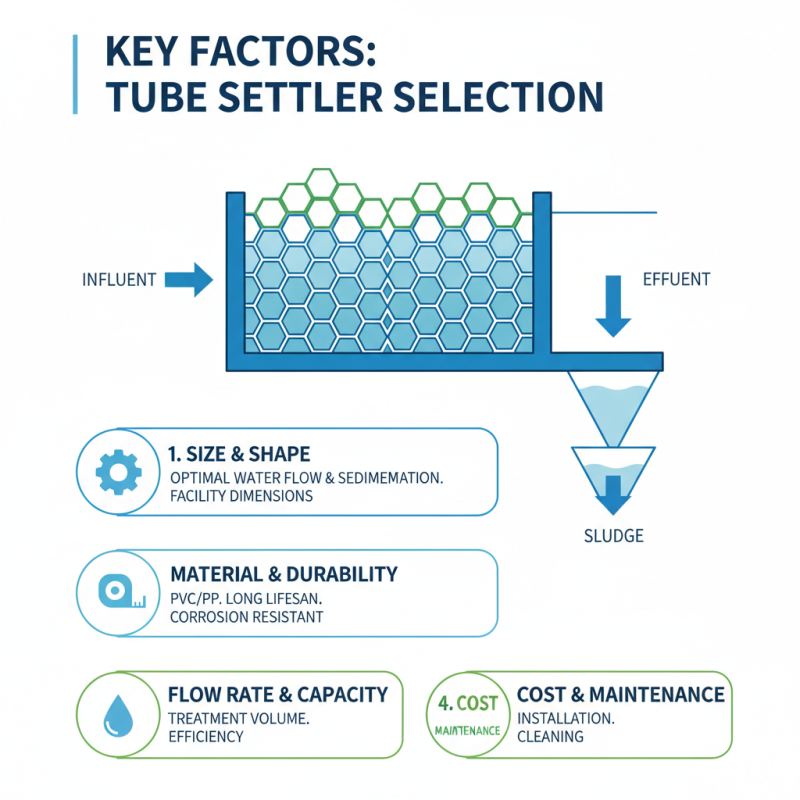
Tube Settlers are widely used in sedimentation processes. They help improve the clarification of water in treatment plants by increasing settling efficiency. However, not all Tube Settlers are created equal. Factors such as design, materials, and installation should not be overlooked. Choosing the wrong product may lead to subpar results and higher operational expenses.
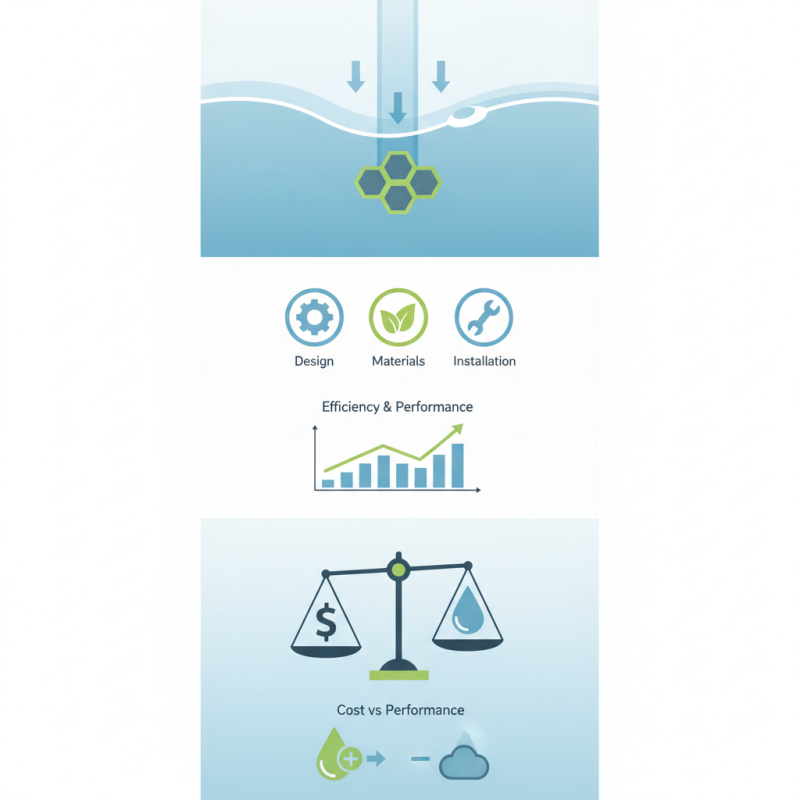
Every facility has unique requirements. Therefore, understanding your specific needs is essential. Take time to evaluate various options, even if it may seem overwhelming. Balancing cost with performance often requires thoughtful consideration. Remember, investing in a quality Tube Settler is an investment in your water treatment process. A wrong choice could hinder progress, impacting both efficiency and water quality.
Understanding Tube Settlers and Their Role in Water Treatment
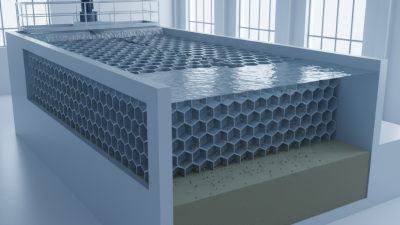
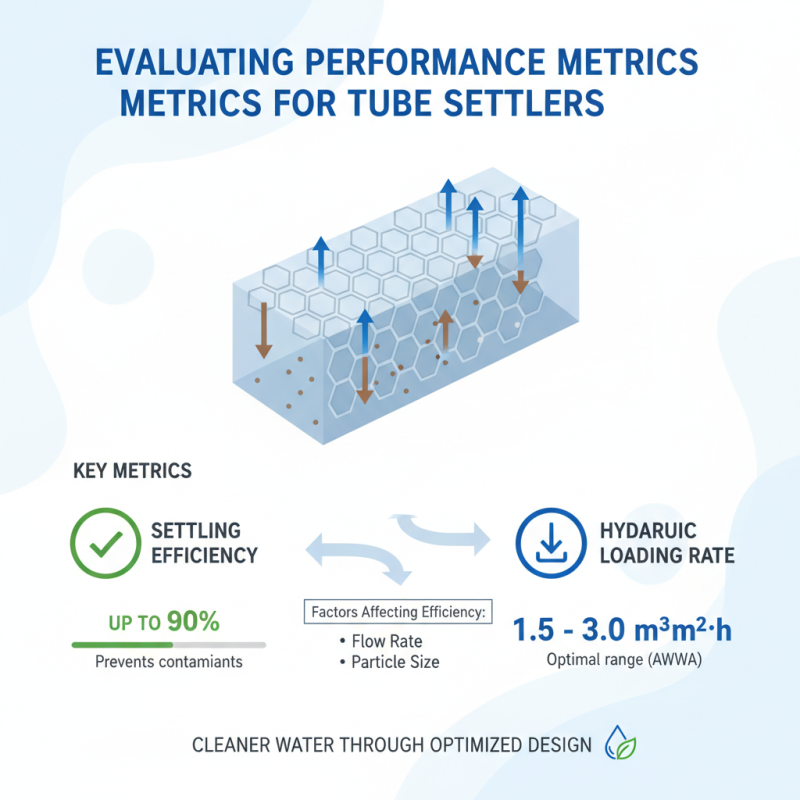
Tube settlers play a crucial role in water treatment systems. These devices enhance the settling process by creating high surface area for sedimentation. They consist of inclined tubes that promote efficient particle settling, allowing for clearer effluent. This efficiency can significantly improve water quality, essential for both drinking and industrial use.
Choosing the right tube settler involves understanding your specific needs. Factors like flow rate and water quality affect performance. It’s vital to consider the design, as different configurations suit varying applications. Not everyone realizes that poor design can lead to inadequate settling. Testing and evaluation may be necessary to ensure optimal performance. A well-chosen tube settler reduces maintenance efforts. It also ensures compliance with water treatment standards, which can be complex and challenging.
Tube Settler Efficiency in Water Treatment
This bar chart illustrates the efficiency of different types of tube settlers in terms of turbidity removal (measured in NTU) and their corresponding surface area (m²). The data showcases how various configurations impact water treatment efficiency, aiding in the selection of the appropriate system based on treatment needs.
Types of Tube Settlers and Their Applications
When selecting a tube settler for water treatment, it's essential to understand the various types available and their specific applications. Tube settlers are widely used to improve sedimentation in water treatment processes. Common types include vertical and inclined tube settlers, each serving distinct purposes. Vertical tube settlers are often found in municipal water treatment plants, while inclined types are effective in industrial applications.
According to a report by the American Water Works Association, tube settlers can increase settling efficiency by 50-90%. This efficiency is crucial, especially in facilities where space is limited. Understanding the characteristics of each type allows for informed decision-making tailored to specific treatment goals.
Tips: Consider the suspension characteristics of the particles in your water. A thorough analysis of particle size and composition can help determine the best type of tube settler. Also, evaluate your facility's footprint. A compact design may benefit operations limited by space. It’s worth noting that improper selection of tube settlers can lead to reduced performance, necessitating costly retrofits or replacements.
Installation and Maintenance Tips for Optimal Functionality
When selecting a tube settler for effective water treatment, installation and maintenance are crucial. Proper installation ensures optimal performance. Misalignment or incorrect slope can lead to inefficient sedimentation. Data from the American Water Works Association indicates that using correctly configured tube settlers can enhance overall sedimentation efficiency by up to 30%.
Routine maintenance is essential for longevity. Regular inspections can prevent blockages and ensure consistent flow rates. A study by the Water Environment Federation showed that a well-maintained system could reduce operational costs significantly, with savings of up to 20% on energy consumption. Remember to check for cracks in the tubing and clean the surfaces to avoid build-up. These small actions can prevent larger issues down the line.
Be cautious, though. Overlooking the smallest detail can lead to operational failures. Users often underestimate the impact of a neglected system. Monitoring performance regularly will allow for timely interventions. Each treatment system differs, so adapting maintenance practices is vital.

 +86 13600513715
 CONTACT NUMBER
 CONTACT NUMBER