How to Choose the Right Aeration Diffuser for Your Needs?
Choosing the right aeration diffuser can make a significant difference in wastewater treatment efficiency. Experts emphasize the importance of selecting the right diffuser for your specific needs. John Smith, a leading aeration specialist, says, “The right aeration diffuser can enhance oxygen transfer and improve treatment outcomes.”
When considering an aeration diffuser, one must assess several factors. These include application type, tank dimensions, and required oxygen levels. It’s critical to choose a diffuser that fits your system. Making the wrong choice may lead to insufficient aeration or excessive energy costs.
Remember that options vary widely in design and performance. Some diffusers excel at fine bubble aeration, while others are better for coarse bubbles. Ultimately, understanding your needs will guide you in the right direction. Choose wisely to avoid common pitfalls and to enhance your system's efficiency.
Understanding the Basics of Aeration Diffusers and Their Importance
Aeration diffusers play a crucial role in various applications, especially in aquatic systems. They help maintain oxygen levels in water, which is vital for the health of fish and other aquatic organisms. Understanding how these devices work is essential for anyone involved in water management.
Choosing the right aeration diffuser can significantly impact the effectiveness of your setup. Consider the type of environment you are working in. Are you using it in a pond, tank, or wastewater treatment? Each setting has specific requirements. Pay attention to the depth of the water and the expected flow rates. This knowledge can guide you toward a suitable diffuser type.
Tips: Always evaluate the size and shape of your water body. Larger areas may require multiple diffusers to ensure even oxygen distribution. Additionally, monitor the health of the ecosystem regularly. It’s easy to overlook the signs of distress in aquatic life. Early detection can save you time and resources.
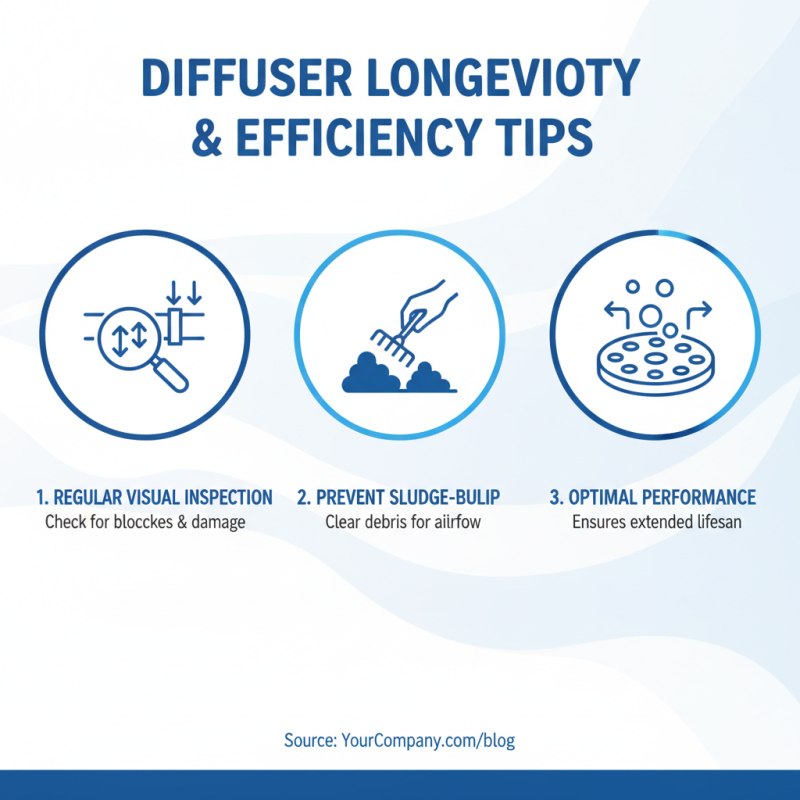
Maintenance of the diffusers is another area that often gets neglected. Remember that clogged diffusers can lead to reduced performance. Clean them regularly to maintain optimal efficiency. This simple step can make a significant difference in your aeration system's overall success.
Understanding Aeration Diffuser Performance
Identifying Your Specific Aeration Needs for Optimal Performance
When selecting an aeration diffuser, it’s crucial to identify your specific aeration needs. The type of application determines the most suitable diffuser. For example, wastewater treatment requires different specifications compared to aquaculture. Studies show that diffusers can affect oxygen transfer efficiency by up to 30%. Therefore, understanding the intended use is key to making an informed decision.
Consider the size of your system. Larger areas might need more than one diffuser for adequate coverage. A single diffuser in a large tank may not provide sufficient aeration. Assess the conditions, such as water depth and temperature. Different environments can significantly impact performance. Research indicates that the depth affects oxygen distribution; in deeper settings, a higher air volume may be necessary.
Tip: Always consult data from reliable sources. Look for reports that detail diffuser performance under various conditions. This helps ensure that the diffuser you choose can effectively meet your needs. Remember to reflect on past experiences with diffusers to pinpoint areas for improvement. Choosing the right one may require trial and error, but the right information can guide your decision.
Types of Aeration Diffusers and Their Unique Applications
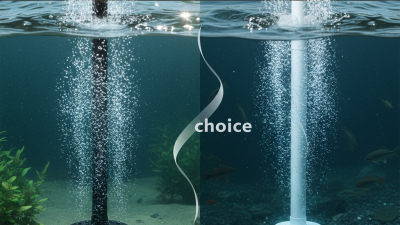
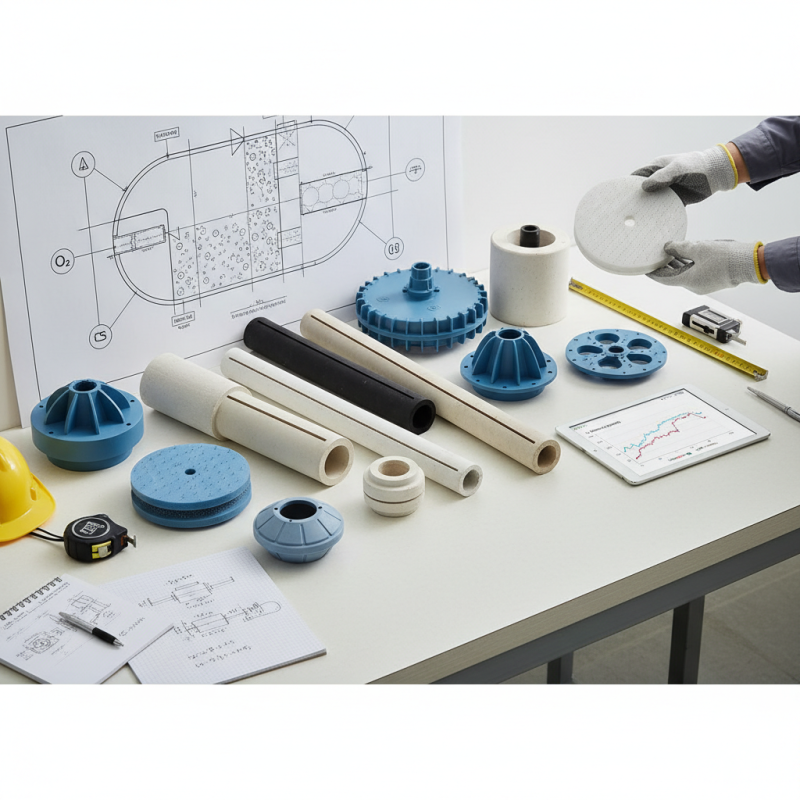
When selecting an aeration diffuser, understanding the different types available is crucial. There are mainly three types: fine bubble, coarse bubble, and surface aerators. Fine bubble diffusers produce tiny bubbles. These bubbles provide a large surface area, enhancing oxygen transfer. They work well in wastewater treatment and aquaculture. Coarse bubble diffusers, on the other hand, create larger bubbles. Though less efficient in oxygen transfer, they are effective in mixing and are more economical.
Surface aerators operate on the water surface. They are suitable for lagoons and shallow ponds. However, their efficiency drops in deeper water. Each type serves unique purposes. Your choice depends on your specific needs. Consider factors like water depth, intended use, and budget. However, striking the right balance can be tricky. Not every setup works as planned. For instance, a fine bubble diffuser may clog in a high-solids environment. Observing performance over time is essential to make necessary adjustments. Ultimately, careful selection and ongoing evaluation set the foundation for successful aeration.
How to Choose the Right Aeration Diffuser for Your Needs?
| Type of Aeration Diffuser |
Application |
Advantages |
Disadvantages |
| Fine Bubble Diffusers |
Wastewater Treatment Plants |
High oxygen transfer efficiency |
Clogs easily, requires maintenance |
| Coarse Bubble Diffusers |
Aeration Basins |
Lower energy consumption |
Lower oxygen transfer efficiency |
| Tube Diffusers |
Aquaculture |
Flexible layout options |
Less efficient than fine bubble types |
| Disc Diffusers |
Municipal Wastewater Treatment |
High efficiency and durability |
Higher initial cost |
| Ceramic Diffusers |
Industrial Processes |
Long lifespan and less clogging |
More expensive than plastic diffusers |
Factors to Consider When Selecting an Aeration Diffuser
When selecting an aeration diffuser, several key factors must be considered. One important aspect is the type of wastewater being treated. For instance, municipal wastewater may require different aeration needs compared to industrial effluents. According to industry reports, the efficiency of aeration can vary significantly, with some diffusers achieving up to 90% oxygen transfer efficiency. This efficiency plays a critical role in the overall performance of a treatment plant.
Another essential factor is the configuration of the system. Diffusers come in various shapes and sizes, which affect their performance. It’s vital to assess the depth of the water body and the flow conditions. Studies have shown that fine bubble diffusers generally work better in shallow water, while coarse bubble diffusers can be more effective in deeper settings. Misjudging these parameters could lead to inefficient oxygen distribution, ultimately impacting treatment outcomes.
Cost is also a prominent consideration. While some diffusers boast advanced technology, their price may not justify the marginal benefits for all users. A report from a leading wastewater management journal indicates that while high-efficiency options can reduce operational costs, the initial investment may deter smaller facilities. Balancing performance with budget constraints is essential, and every facility must weigh these factors carefully.

 +86 13600513715
 CONTACT NUMBER
 CONTACT NUMBER