How to Choose the Best Rotary Drum Filter for Your Needs?
Choosing the right Rotary Drum Filter can significantly impact your operations. This essential piece of equipment is vital in various industries, including wastewater treatment and aquaculture. However, many factors influence your decision. You must consider capacity, filter material, and maintenance needs.
A Rotary Drum Filter’s efficiency depends on its design. Some models are better suited for specific applications. The right filter often depends on unique operational requirements. Assessing your needs can prevent costly mistakes. Do not rush this decision; take your time to evaluate different options.
It is essential to understand both the advantages and limitations of available Rotary Drum Filters. Consider expert opinions and reviews for guidance. Seek recommendations from reliable sources. Listen to others’ experiences; their insights may highlight potential flaws. This careful approach will ensure you select the best filter for your needs.
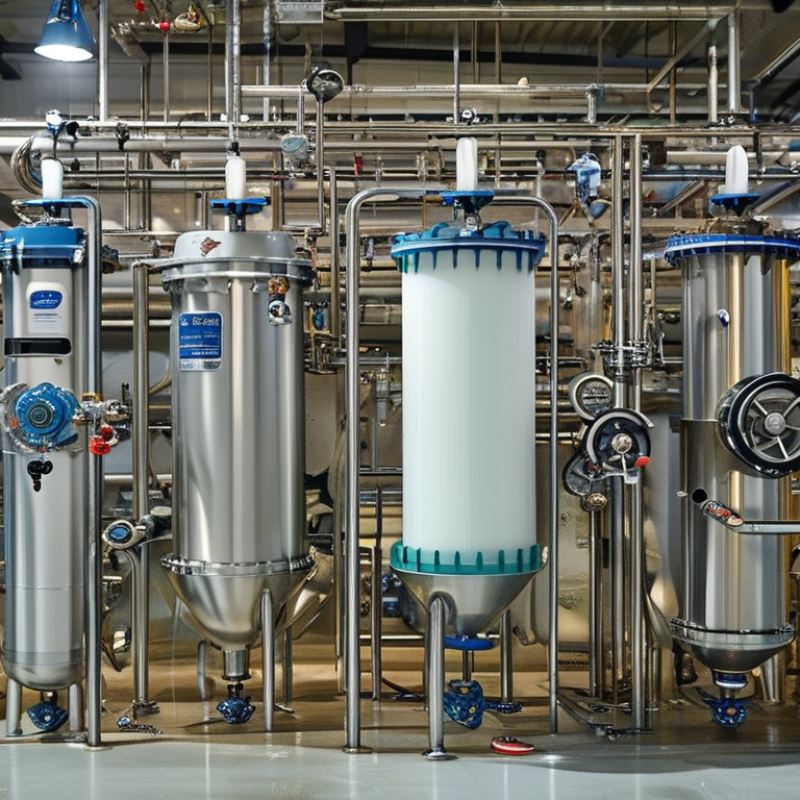
Understanding Rotary Drum Filters and Their Applications
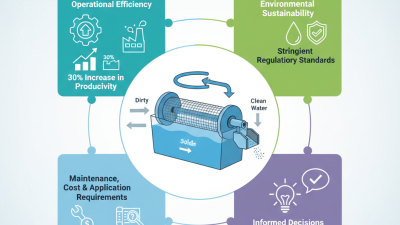
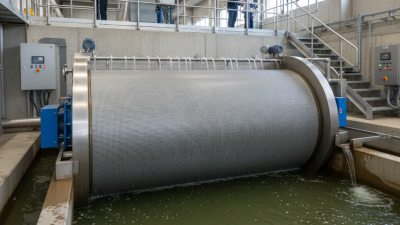
Rotary drum filters are vital in various industries, from wastewater treatment to aquaculture. They utilize a cylindrical mesh screen that rotates, allowing water to pass through while trapping solids. This mechanism helps maintain water quality by removing contaminants efficiently. Understanding how these filters function can lead to better choices tailored to specific applications.
When considering a rotary drum filter, think about your unique requirements. What is the volume of water you need to filter? What types of solids do you need to remove? The answers will guide you in selecting the right size and mesh type. However, these choices can lead to unintended consequences. For example, a filter that is too fine may clog quickly, while a coarser one may not remove all particles.
Knowing the applications for rotary drum filters can also influence your decision. They are widely used in industries like food processing and mining, each with distinct needs. Analyzing these specifications helps in pinpointing which filter aligns best with your operational goals. Still, it’s essential to continually evaluate the filter's performance. Adjustments may be necessary as operational conditions change.
Key Factors to Consider When Selecting a Rotary Drum Filter
When selecting a rotary drum filter, key factors demand your attention.
The filtration efficiency is paramount. According to industry reports, a well-designed rotary drum filter can achieve over 90% removal of suspended solids.
This is crucial for applications in wastewater treatment and food processing, where cleanliness is non-negotiable.
Next, consider the material used in construction. Stainless steel is a common choice due to its durability and resistance to corrosion.
In a study conducted by the Environmental Protection Agency, filters made of robust materials showed a 25% longer lifespan compared to plastic alternatives. However, these can be more expensive upfront.
Balancing durability with cost is essential for long-term planning.
Additionally, think about the filter's maintenance requirements.
A rotary drum filter that is easy to clean can save significant time and effort. Reports indicate that filters requiring less maintenance often have higher operational efficiency.
Paying attention to these aspects will enhance your selection process. However, it’s important to reflect on your specific needs and constraints before making a final decision.
Comparing Different Types of Rotary Drum Filters
When selecting a rotary drum filter, understanding the types available is crucial. There are several variations, each designed for specific applications. Typically, these filters can be classified as micro, ultra, or nano filters, depending on the size of particles they can remove. A micro filter is good for larger particles, while nano filters tackle much smaller contaminants. This means the choice depends on your specific needs.
Consider the material of the drum. Filters come in stainless steel, plastic, or composite materials. Stainless steel provides durability and resistance to corrosion. Plastic is lighter and often more cost-effective but may not hold up under harsh conditions. Think about the environment where the filter will operate. It needs to withstand the pressures and temperatures of that setting.
Installation and maintenance are also key factors. Some filters require frequent cleaning, while others have self-cleaning features. This can significantly impact operational efficiency. Reflections on your water quality and volume can guide your choice. A filter that works perfectly for one application may struggle in another. Always weigh your priorities against potential drawbacks before making a decision.
Maintenance and Efficiency in Rotary Drum Filters
Choosing the right rotary drum filter involves understanding maintenance and efficiency. These elements are crucial for optimal performance. A well-maintained filter can greatly reduce operational costs.
Regular inspections and timely cleaning are key.
Many users overlook the importance of routine maintenance. Neglecting this can lead to inefficiencies. Cleaning frequency should depend on application and usage. Finding the right balance is essential. Too frequent cleaning may wear down components unnecessarily.
Tips: Always use the manufacturer’s guidelines for maintenance schedules. Document past performance to identify patterns in efficiency. Don't ignore unusual noises or changes in flow rates, as they can indicate issues.
Be prepared to adjust your maintenance practices based on performance feedback. Remember, effective filters save money in the long run.
Cost Considerations and Budgeting for Your Purchase
When considering a rotary drum filter, budget plays a crucial role. Reports indicate that the average cost of industrial rotary drum filters ranges from $5,000 to $50,000. This wide variation depends on size, brand, and specific features like filtration capacity. Budgeting for your purchase requires assessing immediate needs versus long-term benefits. Investing in a higher-quality filter may reduce operational costs over time. Cheaper options might lead to increased maintenance costs.
Moreover, potential buyers should also factor in installation costs and possible upgrades. Installation can add 10% to 20% to the initial purchase price. Maintenance is another cost component that many overlook. Regular servicing can amount to hundreds each year. Consider how downtime for maintenance could impact productivity. These constant expenses can strain budgets if not anticipated.
Understanding the overall cost of ownership is essential. Data suggests that more efficient filters lead to significant energy savings. These savings can offset initial costs. However, not all filters offer the same energy efficiency. Analyzing operational costs can reveal surprises. Rigorous assessments of total expenses help in making informed decisions. Balancing cost with performance is a continual challenge for many. Investing time in research is often worth it.

 +86 13600513715
 CONTACT NUMBER
 CONTACT NUMBER