Top Tips for Choosing Fine Bubble Tube Diffusers for Your Needs?
When selecting a Fine Bubble Tube Diffuser, it’s essential to consider various factors to ensure you choose the right product for your specific needs. Dr. John Smith, a leading expert in aeration technologies, emphasizes, “Choosing the right diffuser can significantly impact the efficiency of your aquatic systems.” His insight underlines the importance of making informed decisions in this specialized field.
Fine Bubble Tube Diffusers play a critical role in enhancing the oxygen transfer efficiency in wastewater treatment and aquaculture. These diffusers release tiny bubbles, which maximize contact with water and improve oxygen saturation. However, not all diffusers are created equal. Factors such as material, design, and flow rate must be thoroughly evaluated.
Many find it challenging to select a diffuser that meets their operational demands. It's easy to get overwhelmed by the technical specifications. Understanding your system's requirements is crucial, as even minor miscalculations can affect overall performance. Investing time in research can prevent costly mistakes. In this dynamic industry, staying informed is key. Consider all aspects carefully before making a choice.
Understanding Fine Bubble Tube Diffusers and Their Applications
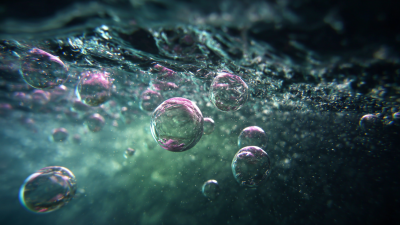
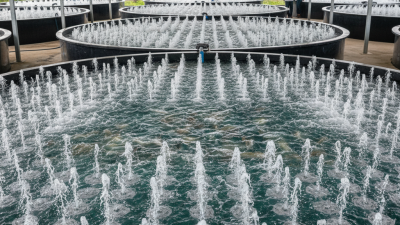
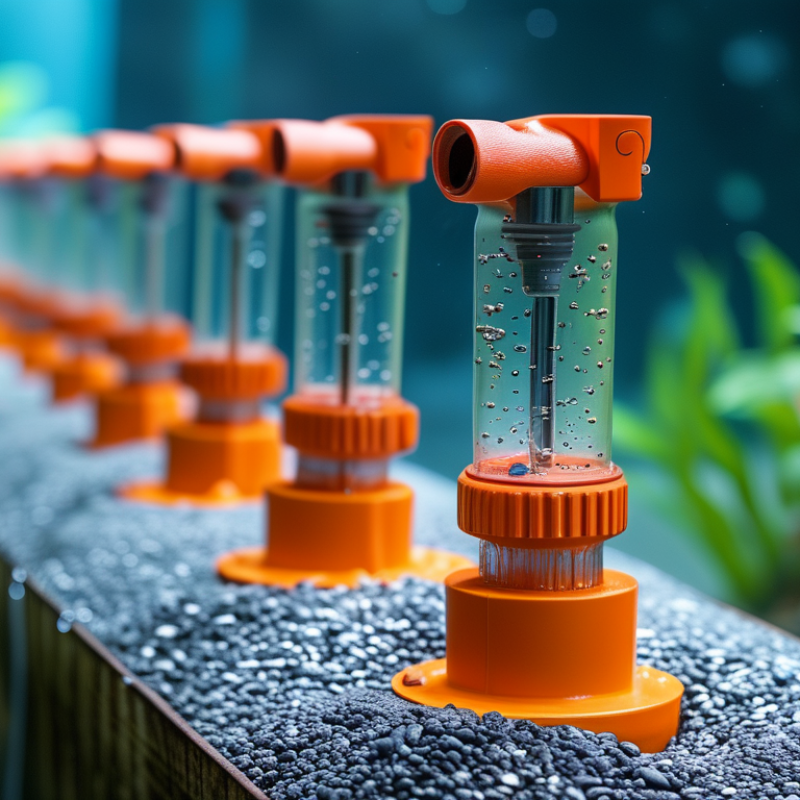
Fine bubble tube diffusers are essential for many industrial applications. They distribute air or gas into liquids for aeration and mixing. Their fine bubbles increase the surface area, enhancing oxygen transfer efficiency. Studies indicate a 20-30% improvement in oxygen transfer rates compared to larger diffusers. This makes fine bubble tube diffusers popular choices for wastewater treatment and aquaculture.
When selecting a fine bubble tube diffuser, consider the materials. Common materials include EPDM and silicone. These offer varying durability and resistance to chemicals. Ensure the diffuser can withstand the specific conditions of the application.
Tip: Focus on the performance data of the diffuser. Don't just rely on marketing claims. Review performance curves and efficiency metrics to make an informed choice.
Another important aspect is maintenance. Regular inspections are crucial to ensure longevity and efficiency. Accumulation of sediments can hinder performance.
Tip: Create a maintenance schedule. This helps identify issues before they impact operations. A preventative approach can save costs and extend the life of your equipment.
Top Tips for Choosing Fine Bubble Tube Diffusers for Your Needs
| Criteria |
Description |
Importance Rating (1-5) |
| Material |
Durability and resistance to chemicals |
5 |
| Bubble Size |
Size of bubbles produced for effective oxygen transfer |
4 |
| Flow Rate |
Required flow rate for your specific application |
5 |
| Installation Type |
In-tank, suspended, or wall-mounted |
3 |
| Maintenance |
Ease of cleaning and maintenance efforts |
4 |
| Cost |
Initial purchase price and long-term operational costs |
4 |
| Efficiency |
Oxygen transfer efficiency for better performance |
5 |
| Application |
Specific use cases like wastewater treatment or aquaculture |
5 |
Key Factors to Consider When Selecting a Fine Bubble Tube Diffuser
Selecting the right fine bubble tube diffuser is crucial for optimizing aeration in wastewater treatment. One key factor to consider is the size of bubbles produced. Research shows that finer bubbles increase oxygen transfer efficiency significantly. According to industry reports, fine bubbles provide up to 30% more oxygen transfer compared to larger bubbles. This can enhance the effectiveness of your aeration system.
Another important aspect is material quality. The diffuser's construction should withstand harsh environmental conditions while ensuring longevity. Many studies indicate that high-quality membranes can last several years longer than cheaper alternatives. Additionally, flow characteristics matter. Underestimating the required flow rate can lead to suboptimal performance. It's vital to ensure your diffuser can handle varying flow conditions.
Installation complexity should not be overlooked. A diffuser that is difficult to install can lead to costly delays. Proper installation training can mitigate this risk, but the inherent design should allow for straightforward assembly. These factors combine to create a reliable system that meets your aeration needs. Understanding the balance between cost and performance is a crucial consideration in your selection process.
Material and Design: Evaluating Options for Durability and Efficiency
Choosing the right fine bubble tube diffusers requires careful consideration of material and design. Durability is paramount. Materials like PVC, polyethylene, and silicone offer various benefits. PVC is lightweight but may degrade faster than silicone. Silicone, on the other hand, provides excellent flexibility. It can withstand harsh conditions but may be more expensive.
Evaluate the design of the diffusers too. A well-designed diffuser ensures even bubble distribution. Look for those with finer pores for increased efficiency. However, finer pores can also clog easily, requiring more maintenance. You might face challenges with longevity while balancing efficiency.
Keep in mind your specific application. In some cases, durability might trump efficiency. Always assess your system’s conditions. Check if the material can handle temperature fluctuations and chemical exposure. Each choice has its trade-offs. Collect input from experts or previous users to make an informed decision. Reflect on the long-term implications of your choices.
Sizing and Capacity: Ensuring Optimal Performance for Your System
When selecting fine bubble tube diffusers, sizing and capacity play crucial roles in optimizing system performance. Many facilities underestimate the importance of matching diffuser size to the aeration demand. A report from the Water Environment Federation indicates that systems can achieve up to 35% energy savings with properly sized diffusers. Proper sizing ensures effective oxygen transfer and reduced operational costs.
Choosing the right capacity is not a trivial task. It requires a detailed analysis of your system’s specific requirements. Factors such as water quality, flow rate, and desired oxygen levels must be considered. For instance, a study from Environmental Science & Technology reveals that inadequate sizing can lead to over-aeration, causing increased energy consumption and reduced system efficiency.
Many operators rush this decision, leading to underperformance and frustration. Input from experienced engineers emphasizes the need for thorough assessments prior to making a selection. It’s common to see installations with poorly matched diffusers that fail to deliver expected results. Reflecting on previous projects can provide insights into what went wrong and how adjustments can improve future selections.
Performance Comparison of Fine Bubble Tube Diffusers
Maintenance and Longevity: Tips for Extending the Lifespan of Diffusers
When considering fine bubble tube diffusers, maintenance is crucial for their longevity. Regular cleaning prevents fouling, which can reduce oxygen transfer efficiency. Studies indicate that a 10% reduction in diffuser efficiency can lead to a significant increase in operational costs. Hence, routine inspections are paramount for identifying wear and tear.
Proper storage also plays an essential role. According to industry reports, diffusers should be stored in a dry environment, away from UV light. This can extend their lifespan by up to 30%. Neglecting correct storage practices might result in premature degradation, affecting performance over time. Many facilities overlook this critical step.
Investment in high-quality materials can mitigate long-term costs. Data shows that using durable polymers can enhance the lifespan of diffusers by 15-20%. However, this often requires a higher initial investment that some operators may hesitate to make. Ultimately, a balance between initial costs and long-term savings needs assessment. Regular training for maintenance staff on best practices further maximizes diffuser efficiency.

 +86 13600513715
 CONTACT NUMBER
 CONTACT NUMBER