+86 13600513715


Screw Press Dewatering is a critical process in various industries. It plays a vital role in minimizing waste and enhancing efficiency. However, achieving optimal results can be challenging. Many factors affect the performance of screw presses. Understanding these factors is essential.
In practice, operators often overlook the importance of equipment maintenance. Regular checks on wear parts can prevent inefficiencies. Moreover, adjusting feeding rates might require constant attention. Operators need to be mindful of the material characteristics. Not all materials behave the same under pressure.
Despite advances in technology, screw press dewatering still faces hurdles. The design of the press can influence the dewatering rates significantly. Each application presents unique challenges. Fostering a culture of continuous improvement is essential for success. Evaluation and adjustments can lead to better performance over time.
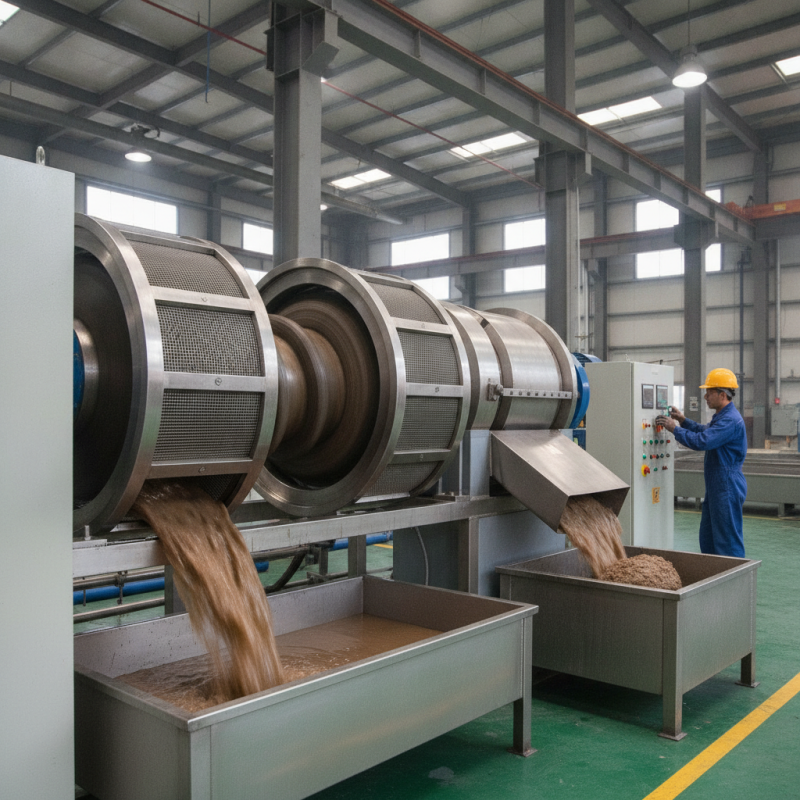
Screw press dewatering technology is a vital process in industries like wastewater treatment and agriculture. It efficiently separates liquids from solid materials. Understanding the basics can significantly enhance its effectiveness. Research indicates that screw presses can achieve solids concentrations of up to 30% by weight, making them a preferred choice in many applications.
The operational principle behind screw presses is simple yet effective. They use a rotating screw to propel material along a cylindrical screen. As the material moves, pressure builds, forcing water out through the screen. An efficiency report from the Water Environment Federation states that optimizing screw press settings can improve dewatering rates by over 15%. However, many facilities fail to adjust parameters like screw speed and feed consistency, leading to suboptimal performance.
Moreover, monitoring the moisture content of the output is crucial. An ideal moisture content of around 70% may be targeted. However, actual results often vary greatly due to inconsistent feed quality. Continuous adjustments are necessary for maintaining optimal performance. Operators must remain vigilant to ensure that moisture levels align closely with target specifications. This underscores the need for ongoing training and a commitment to refining operational strategies.
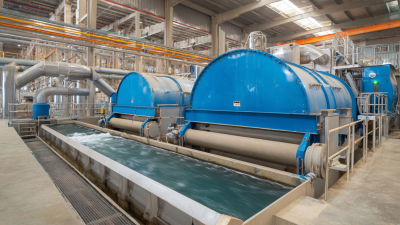
In screw press systems, dewatering efficiency depends on several key factors. The moisture content of the feed material is crucial. Too much moisture makes the process less effective. Understanding the feed's characteristics helps optimize performance.
Another important factor is the pressure applied during the dewatering process. Higher pressure can lead to increased cake dryness. However, excessive pressure can damage the materials. Finding the right balance is essential to achieve maximum efficiency. Additionally, the design of the screw and screen affects how well water is expelled from the material.
Finally, operating conditions play a significant role. Temperature, for instance, influences the viscosity of the materials. Warmer temperatures can improve dewatering efficiency. Regular maintenance of the screw press is also vital. Wear and tear can reduce effectiveness over time. Evaluating these elements regularly helps enhance overall performance.
Optimizing screw press operations involves a series of strategic steps. Many facilities report up to a 20% increase in efficiency through fine-tuning their processes. Begin by assessing feed consistency. Uniform feed enhances the dewatering effectiveness of the screw press. Variability in feed material can lead to inefficient water removal. A recent industry study highlighted that consistent solid-liquid ratios significantly improve throughput.
Monitoring pressure settings is crucial. Reports indicate that varying the pressure can affect the tensile strength of the materials processed. Finding the sweet spot can reduce energy consumption by up to 15%. Routine calibration of the press components, such as the screw and screen, is essential. Neglected maintenance can cause uneven wear, leading to higher operational costs and suboptimal performance.
Operators should also consider the impact of temperature during the dewatering process. High temperatures can influence the viscosity of slurries. Data shows that maintaining an optimal temperature range can enhance the fluid flow, ultimately improving separation efficiency. However, one must balance heating with energy costs, ensuring that the benefits outweigh any potential downsides. These variables highlight the need for continuous monitoring and adjustments in screw press operations.
Effective maintenance practices are crucial for optimizing screw press dewatering. Regular inspections can identify wear and tear early. Check for any unusual sounds during operation. These sounds can indicate issues with bearings or motor components.
Cleaning is another vital aspect. Residue build-up can lead to inefficiencies. Remove any blockages regularly to maintain flow. Operators should ensure that the press is properly lubricated. Insufficient lubrication can cause overheating and damage.
Operator training plays a significant role. Skilled operators can monitor performance and make quick adjustments. They should understand the machine's parameters. Adjustments might be necessary to adapt to varying material types. Reflecting on these practices can lead to improved performance. Over time, even minor changes can yield significant results in efficiency.
| Maintenance Practice | Frequency | Expected Outcome | Performance Indicator |
|---|---|---|---|
| Wear Plate Inspection | Monthly | Increased press efficiency | Reduction in power consumption |
| Lubrication of Bearings | Weekly | Reduced friction and heat | Temperature of bearings |
| Screen Cleaning | Daily | Improved filtrate quality | Filtrate clarity measurement |
| Belt Tension Adjustment | Biweekly | Optimized screw speed | Screw RPM |
| Fluid Level Check | Weekly | Consistent operation | Fluid level measurements |
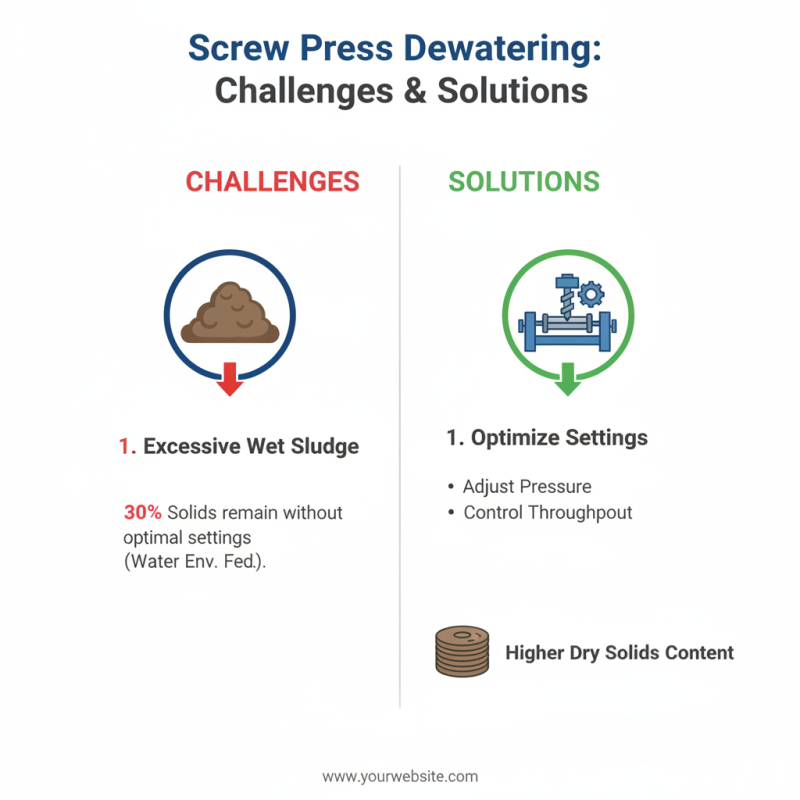
Screw press dewatering faces several common challenges that can hinder efficiency and performance. One major issue is the generation of excessive sludge. A study by the Water Environment Federation indicates that nearly 30% of the total solids can remain in the sludge when optimal settings are not used. Adjusting the pressure and throughput can mitigate this, helping to achieve higher dry solids content.
Another challenge is equipment wear and tear. High operational stress can lead to frequent breakdowns. Regular maintenance can help, yet many facilities overlook this. A proactive maintenance schedule could improve machine lifespan by up to 25%, according to industry reports. Operators must also ensure that the feed consistency is uniform. Variability can result in uneven dewatering, complicating the treatment process.
Lastly, managing the chemical usage is crucial. Improper dosing can lead to inefficient flocculation or even toxic sludge formation. Many facilities report inconsistencies in chemical performance. Continuous monitoring and adjustments based on real-time analysis are essential. A data-driven approach can improve overall dewatering outcomes and enhance sustainability in wastewater treatment.