How to Choose the Best Aeration Diffuser for Your Needs?
Choosing the right aeration diffuser is crucial for effective water aeration. An aeration diffuser helps improve the oxygen levels in your pond or wastewater treatment system. This process is vital for maintaining healthy ecosystems and efficient operations.
When selecting an aeration diffuser, consider the specific needs of your environment. Are you treating wastewater or enhancing a pond? Each application may require a different type of diffuser. Factors like size, material, and energy efficiency are important. For example, some diffusers work better in shallow water, while others are designed for deeper applications.
It's easy to overlook the details. Testing various models might be necessary to find the best fit. A wrong choice can lead to poor aeration, affecting water quality. Keep in mind that what works for one situation may not be ideal for another. Therefore, it’s essential to reflect on your specific needs before making a decision.
Understanding the Basics of Aeration Diffusers and Their Importance
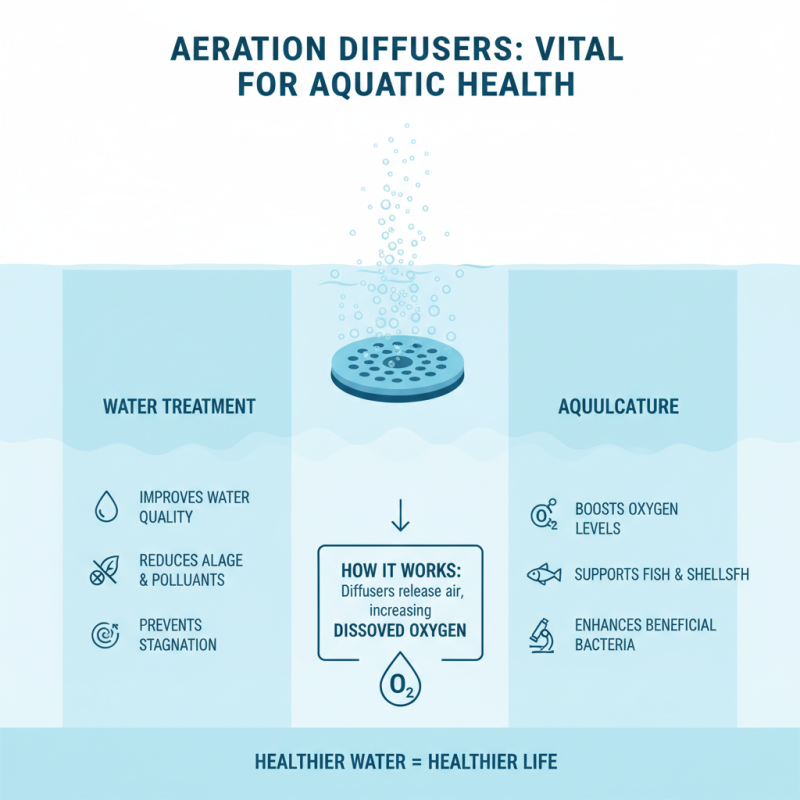
Aeration diffusers play a crucial role in water treatment and aquaculture. They introduce air into water bodies, promoting healthier ecosystems. By increasing oxygen levels, these diffusers support fish and beneficial bacteria. Without proper aeration, stagnant water can lead to pollution. This can affect both aquatic life and water quality.
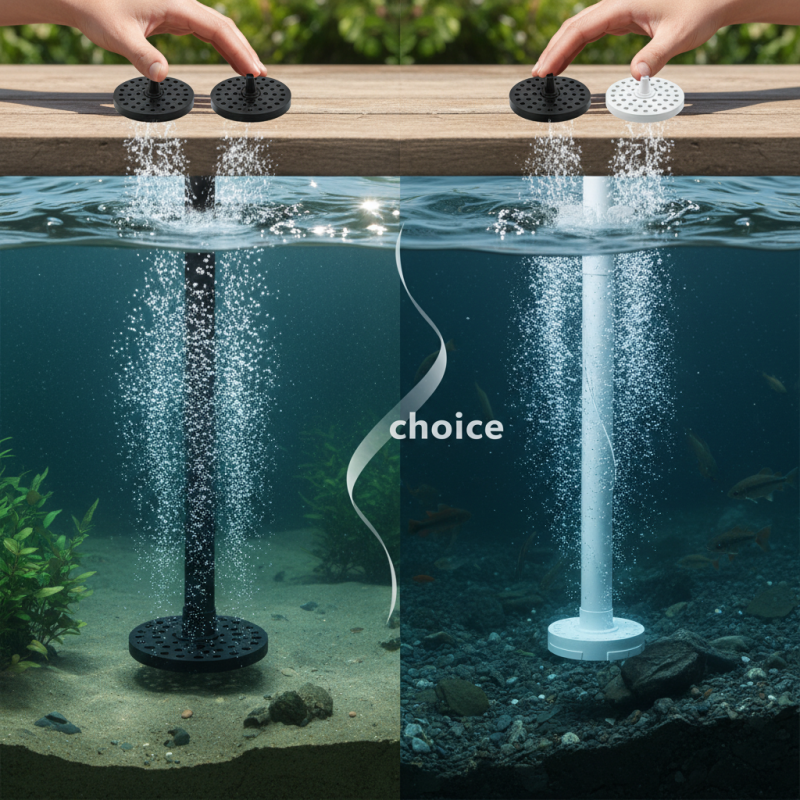
Choosing the right diffuser requires understanding its function. Some diffusers create fine bubbles, enhancing oxygen transfer. Others produce larger bubbles, which may be suitable for certain applications. The type of aeration system matters. Poor choices can lead to inefficient aeration and rising energy costs. You might face challenges if the system doesn't match your water volume.
Installation and maintenance are critical as well. A poorly maintained diffuser can clog over time, reducing its effectiveness. Observing performance is essential to identify issues early. Have you checked your system lately? Considering different materials can also make a difference. Plastic may be lightweight, but metal could last longer in tough conditions. Balancing cost and durability can be tricky.
Types of Aeration Diffusers: Choosing Between Surface and Subsurface Options
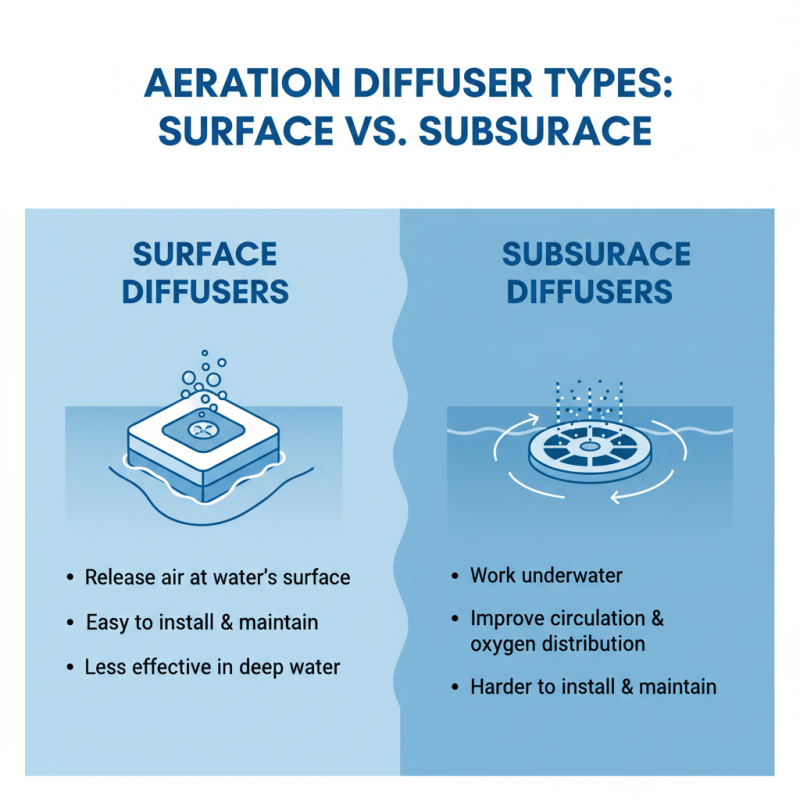
When selecting an aeration diffuser, consider the two main types: surface and subsurface options. Surface diffusers release air at the water's surface. They are easy to install and maintain. However, they are less effective in deeper water bodies. Subsurface diffusers, on the other hand, work underwater. They can improve circulation and distribute oxygen more evenly. But, they can be harder to install and require more maintenance.
Tips for choosing the right type include assessing your water depth. If it's shallow, surface diffusers might suffice. For deeper waters, opt for subsurface models. Think about your maintenance capabilities too. Regular checks are crucial to ensure functionality.
Another factor is the intended use of your water body. Are you managing a pond or a larger lake? Each scenario has different aeration needs. Sometimes, you may need to combine both types for optimal results. Reflect on your specific situation before making a choice.
Key Factors to Consider When Selecting an Aeration Diffuser
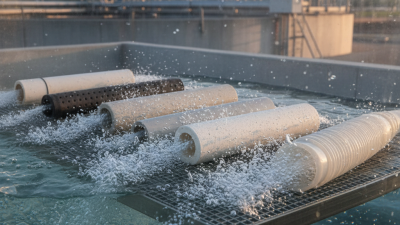
Choosing the right aeration diffuser is crucial for effective water treatment. There are several key factors to consider. The type of diffuser you select can impact the efficiency of oxygen transfer. Studies show that disk diffusers can achieve oxygen transfer efficiencies of up to 90% under ideal conditions. On the other hand, tube diffusers may have lower efficiency but are often easier to maintain.
Tip: Always assess the specific needs of your system. Consider factors like tank size, water depth, and desired oxygen levels. Customizing your choice based on your unique parameters can lead to better performance.
Another factor is the material of the diffuser. Some materials resist fouling better than others, which can affect longevity and efficiency. Research indicates that ceramic diffusers often provide longer service life compared to rubber options. However, they may be more costly upfront.
Tip: Balance upfront costs with long-term savings. Investing in more durable materials may reduce replacement frequencies and maintenance efforts.
Reflect on maintenance needs as well. A diffuser that may initially seem efficient can become less effective if not properly maintained. Ensure you have a regular cleaning schedule in place. This will help sustain performance over time.
Evaluating the Efficiency and Performance of Different Diffuser Models
When selecting an aeration diffuser, assessing efficiency and performance is crucial. Different models have varying capabilities. A well-performing diffuser ensures optimal oxygen transfer rates, which is essential for aquatic life. Some diffusers excel in shallow water, while others are better suited for deep tanks. Make sure to consider the depth of your water body.
Tips: Always review user feedback. Sometimes, what works well in theory may not perform in practice. Personal experiences can reveal discrepancies. Testing different types can lead to unexpected findings about performance.
Keep in mind the material quality too. Some diffusers may crack or wear down faster. Durability impacts effectiveness and replacement frequency. Look for models that withstand harsh conditions.
Tips: Consider energy efficiency. High-performing diffusers often use less energy. Focus on models that offer high performance without a hefty energy bill. Finding the right balance can lead to sustainability in your setup.
Maintenance and Care Tips for Optimal Aeration Diffuser Functionality
Aeration diffusers play a crucial role in maintaining optimal water quality in aquaculture and wastewater treatment. Regular maintenance is essential for their peak performance. According to industry reports, insufficient maintenance can reduce diffuser efficiency by up to 30%. To avoid this, consider the following tips.
Clean your diffusers regularly. Build-up of debris can clog your system. A simple rinse can clear most blockages. For stubborn buildup, consider acid cleaning treatments. Implement a schedule for routine inspections. This will help catch small issues before they escalate.
Monitoring the air supply pressure is vital. Low pressure can signal problems with the system. Aim for optimal pressure according to manufacturer guidelines. Environmental factors also matter. High temperatures can affect diffuser lifespan. Regularly check your equipment for wear and tear. Don’t overlook small cracks or leaks. They can lead to significant performance drops.
Lastly, record the operational data. Tracking airflow rates can provide insight into your diffuser’s health. Discrepancies in performance can hint at underlying issues. Small, consistent actions can significantly enhance diffuser longevity and efficiency. Stay proactive in your maintenance, and you will notice the improvements.
How to Choose the Best Aeration Diffuser for Your Needs?
This bar chart illustrates the effectiveness of different types of aeration diffusers based on user satisfaction ratings. The data is collected from various studies assessing performance metrics such as air flow rate, energy efficiency, and ease of maintenance.

 +86 13600513715
 CONTACT NUMBER
 CONTACT NUMBER