2026 How to Choose the Best Moving Bed Biofilm Reactor Media?
Choosing the right Moving Bed Biofilm Reactor Media is crucial for optimal wastewater treatment. According to a recent industry report by the Water Environment Federation, effective media selection can improve biofilm development by 30%. This statistic highlights the importance of understanding your reactor's specific needs.
Industry expert Dr. Sarah Thompson emphasizes, "The right media can drastically affect not only biofilm growth but also overall system efficiency." Her insights reaffirm that not all media types are created equal; each has unique properties influencing performance. It's essential to consider factors such as surface area, material durability, and biofilm adhesion capabilities.
Despite these insights, many operators experience challenges in selecting appropriate media. Not every media option will guarantee success; factors like flow rates and wastewater characteristics can complicate the decision. Evaluating these elements critically can lead to improved outcomes. Ultimately, a well-informed choice in Moving Bed Biofilm Reactor Media plays a vital role in achieving sustainable and efficient wastewater treatment processes.
Understanding Moving Bed Biofilm Reactors and Their Applications
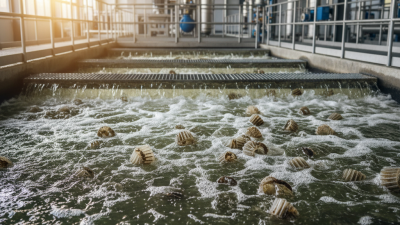
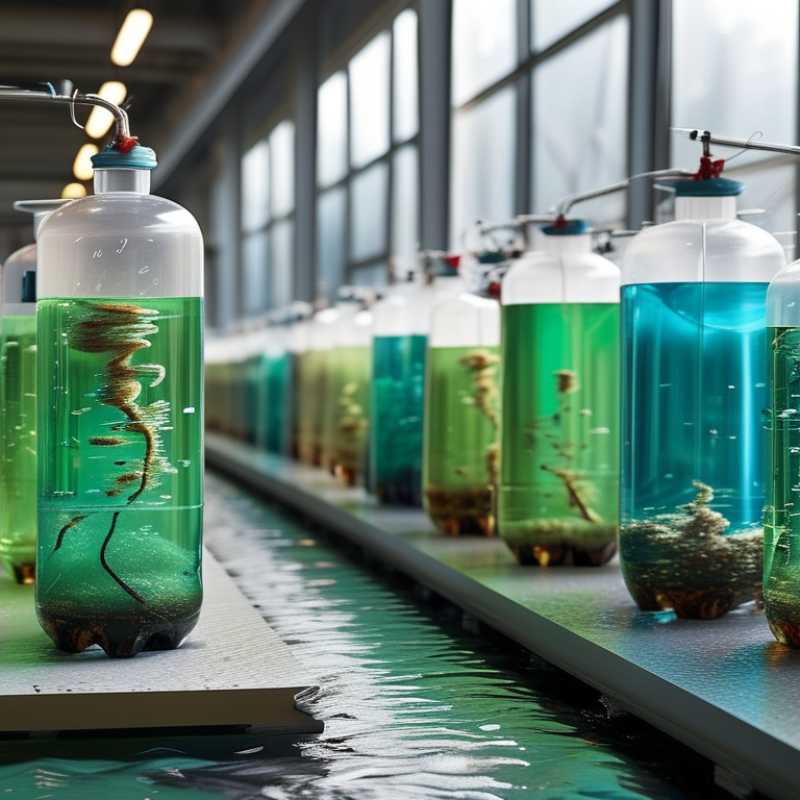
Moving Bed Biofilm Reactors (MBBRs) play a significant role in wastewater treatment. They utilize suspended plastic media, allowing biofilms to develop and thrive. This setup enhances microbial activity. An MBBR can effectively handle high organic loads, which is crucial in today's industrial settings. Research shows that MBBRs can achieve up to 90% reduction in Biological Oxygen Demand (BOD) levels. This makes them highly efficient for various applications, including municipal wastewater treatment and industrial effluent management.
In terms of design and implementation, selecting the right media is essential. The surface area, shape, and buoyancy of the media significantly influence the reactor's performance. For instance, media with a larger specific surface area promote better biofilm formation. A study indicated that utilizing media with 850 m²/m³ surface area can lead to optimal microbial colonization. However, there exists a trade-off. More surface area may also mean more maintenance and potential clogging issues.
MBBRs have gained traction due to their flexible design and scalability. They are suitable for small and large municipalities alike. The versatility also extends to treating various contaminants, such as nitrogen and phosphorus. Some designs report up to 60% reductions in nutrients. Yet, ongoing research is essential to address challenges related to biofilm detachment and sloughing. Continuous improvement in media selection could drive future innovations in MBBR technology.
2026 How to Choose the Best Moving Bed Biofilm Reactor Media? - Understanding Moving Bed Biofilm Reactors and Their Applications
| Media Type |
Surface Area (m²/m³) |
Specific Gravity |
Typical Applications |
Estimated Cost ($/m³) |
| Polyethylene (HDPE) |
700 |
0.93 |
Wastewater treatment, Aquaculture |
50 |
| Polypropylene (PP) |
800 |
0.90 |
Industrial wastewater treatment, Biogas production |
45 |
| Polyvinyl Chloride (PVC) |
600 |
1.40 |
Carbon treatment, Oil recovery |
55 |
| Stainless Steel |
1000 |
7.90 |
Heavy-duty applications, High-strength environments |
300 |
Key Characteristics of Effective Reactor Media for Moving Bed Systems
Choosing the right media for a moving bed biofilm reactor is crucial. Key characteristics define the effectiveness of reactor media. Porosity is one of the most significant features. High porosity allows for better water flow and increased surface area for microbial attachment. This aspect can directly influence the efficiency of the treatment process.
Another critical characteristic is the density of the media. It must be light enough to stay in motion but heavy enough to avoid floating. An ideal media should provide stability to the biofilm while ensuring proper mixing in the reactor. Additionally, the material's chemical resistance is vital. It must withstand harsh conditions without degrading over time.
Reflecting on these traits, one might note that finding the perfect balance can be challenging. A media that excels in one area may lack in another. Continuous evaluation and adaptation of reactor media are crucial for optimal performance. Consideration of these key properties ensures a resilient and efficient moving bed biofilm reactor system.
Factors to Consider When Selecting Media for Biofilm Growth
When selecting media for biofilm growth in Moving Bed Biofilm Reactors (MBBRs), several critical factors must be considered. The surface area of the media is essential. Research indicates that higher surface areas lead to increased biofilm formation, optimizing the treatment process. An ideal media should provide ample space for microbial attachment while ensuring adequate flow for nutrient delivery. Typically, media with a surface area greater than 500 m²/m³ has proven effective in various studies.
The material type also plays a crucial role. Common choices include polyethylene and polypropylene, which are lightweight and resistant to fouling. According to recent reports, materials with specific hydrophobic characteristics promote better biofilm adhesion. However, there's often a trade-off between material durability and biofilm growth potential. Careful consideration of this balance is necessary, as some materials degrade over time, impacting performance and requiring replacements.
Another aspect to ponder is the media's density. Low-density media can enhance mixing and reduce settling issues. However, they might be less stable in higher flow conditions. Understanding the interplay of these factors can help in choosing the most suitable media for your MBBR system, allowing for efficient and effective wastewater treatment. Each decision must be informed by both empirical evidence and practical experiences in the field.
Comparative Analysis of Common Media Types Used in Reactors
When selecting media for a moving bed biofilm reactor (MBBR), it's essential to analyze the common types available. Materials such as polyethylene, polypropylene, and PVC are prevalent. Each material has its unique properties that can influence the reactor's performance. Polyethylene is lightweight and has excellent buoyancy. It promotes efficient biofilm growth and is often chosen for its cost-effectiveness.
On the other hand, polypropylene media offers higher resistance to temperature and chemicals. This can be beneficial in harsh operating conditions. However, it tends to be more expensive than polyethylene. PVC media serves as an intermediate option, balancing cost and durability. While PVC may not perform as efficiently as polyethylene in all aspects, it can still support solid biofilm development.
Selecting the right media also requires understanding how it interacts with microorganisms. Not all media foster optimal conditions for biofilm attachment. The surface texture and shape significantly influence microbial colonization. It’s important to reflect on specific reactor needs. Consider both the operational environment and the desired effluent quality. A well-informed choice can enhance reactor efficiency and longevity.
Comparative Analysis of Common Media Types Used in Moving Bed Biofilm Reactors
This chart illustrates the effectiveness of different media types used in moving bed biofilm reactors based on their surface area, durability, and Biofilm development rate.
Maintenance and Longevity of Selected Moving Bed Biofilm Media
When selecting moving bed biofilm reactor (MBBR) media, maintenance and longevity are critical factors to consider. According to industry studies, the right media can significantly enhance biofilm development and overall reactor efficiency. A report by the Water Environment Federation states that MBBR systems can achieve over 90% removal rates of nitrogen and organic matter when optimal media is used.
The longevity of biofilm media depends on material durability and resistance to fouling. Many studies suggest that polyethylene and polypropylene materials work best due to their chemical resistance and low density. In some cases, however, biofilm detachment can occur, especially when subject to high flow rates. This can lead to frequent media replacement, which is costly. Lifespan can be as short as two to three years if maintenance is suboptimal.
Regular monitoring of biofilm growth is essential. Operators should evaluate the media periodically for wear and fouling. Research indicates that preemptive cleaning can improve media lifespan by up to 30%. This highlights the importance of not only selecting the right media but also maintaining it effectively. Regular inspections and adjustments could mean the difference between a well-functioning reactor and an inefficient system.

 +86 13600513715
 CONTACT NUMBER
 CONTACT NUMBER