Why Choose Tubular Membrane Diffuser for Your Water Treatment Needs?
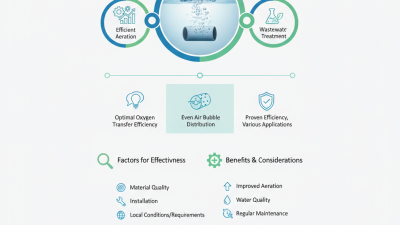
In today's water treatment landscape, efficiency and reliability are crucial. A Tubular Membrane Diffuser stands out due to its advanced aeration performance and reduced operational costs. According to a recent report by the Water Environment Federation, well-designed diffusers can enhance oxygen transfer efficiency by up to 30%. This improvement directly impacts treatment effectiveness and resource management.
Industry expert Dr. Emily Roberts states, "Choosing the right diffuser technology can revolutionize wastewater treatment." Her insights highlight the significance of selecting a Tubular Membrane Diffuser for facilities aiming to optimize their processes. The tubular design minimizes fouling risks and enhances longevity, making it a preferred option for many operators.
While the benefits are clear, challenges persist. Not every application may suit this technology. Factors like water quality and flow rates require careful consideration. Overall, a Tubular Membrane Diffuser is not just a choice; it is a strategic investment in sustainable water treatment practices.
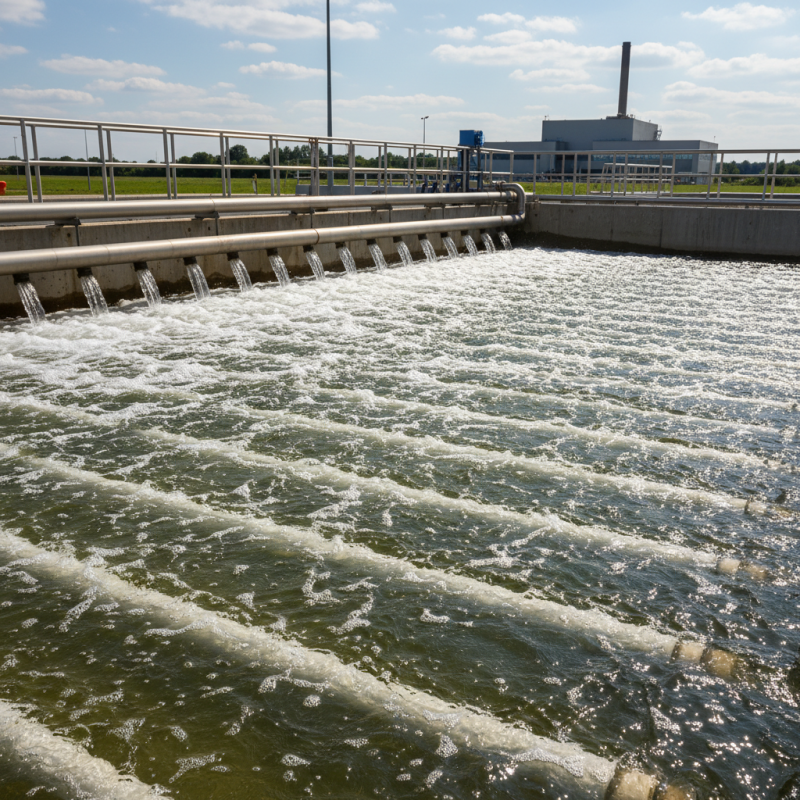
Benefits of Tubular Membrane Diffusers in Water Treatment Systems
The choice of tubular membrane diffusers in water treatment systems has gained significant attention. With their design, these diffusers enhance aeration efficiency. This efficiency is crucial for various treatment processes, enabling better oxygen transfer rates in wastewater management.
Research indicates that tubular membrane diffusers can achieve oxygen transfer efficiencies of up to 30% greater than traditional diffuser types. This efficiency translates to reduced energy costs over time, which is vital for operations managing large volumes of water. Moreover, these diffusers are constructed with durable materials, resulting in longer service life and lower maintenance requirements. Reports suggest that systems using tubular membranes often face fewer clogging issues, ensuring consistent performance.
While tubular membrane diffusers show clear advantages, they are not without challenges. Their initial installation costs can be high, which may be a barrier for some facilities. Additionally, the choice of materials can affect longevity. Users must weigh these factors against potential long-term savings and environmental benefits. Balancing cost with efficiency remains an ongoing conversation within the industry.
Why Choose Tubular Membrane Diffuser for Your Water Treatment Needs?
| Feature |
Description |
Benefits |
| High Efficiency |
Designed to maximize oxygen transfer |
Improved treatment performance |
| Durability |
Made from robust materials resistant to fouling |
Longer lifespan and reduced replacement costs |
| Low Energy Consumption |
Optimized design for lower operational energy needs |
Cost savings on energy bills |
| Versatility |
Suitable for various applications including municipal and industrial wastewater |
Wide application reach |
| Easy Maintenance |
Designed for simple cleaning and upkeep |
Reduced downtime and labor costs |
Comparative Analysis: Tubular vs. Other Types of Membrane Diffusers
When considering membrane diffusers for water treatment, tubular membrane diffusers often stand out. Tubular diffusers are known for their durability and efficiency in aeration processes. They typically feature a larger surface area, which enhances oxygen transfer rates. This is crucial for wastewater treatment, as higher oxygen levels improve microbial activity, leading to better water quality.
In comparison to disc and plate diffusers, tubular options may offer greater flexibility. Their design can adapt to various tank shapes and sizes. However, one must evaluate potential drawbacks. Tubular diffusers may require more maintenance due to their complex structure. Clogging can happen if the wastewater contains high solids content.
While many experts recommend tubular diffusers for specific situations, it is vital to assess individual project needs. Consulting with professionals can help identify the right type of diffuser for your setup. Choosing the wrong diffuser can lead to inefficiencies. Prioritizing the correct design really matters in achieving optimal performance in your water treatment system.
Comparative Analysis of Membrane Diffuser Types for Water Treatment
This chart provides a comparative analysis of the oxygen transfer efficiency of various types of membrane diffusers used in water treatment. The data indicates that tubular membrane diffusers offer the highest efficiency, making them a favorable choice for optimizing water treatment processes.
How Tubular Membrane Diffusers Enhance Oxygen Transfer Efficiency
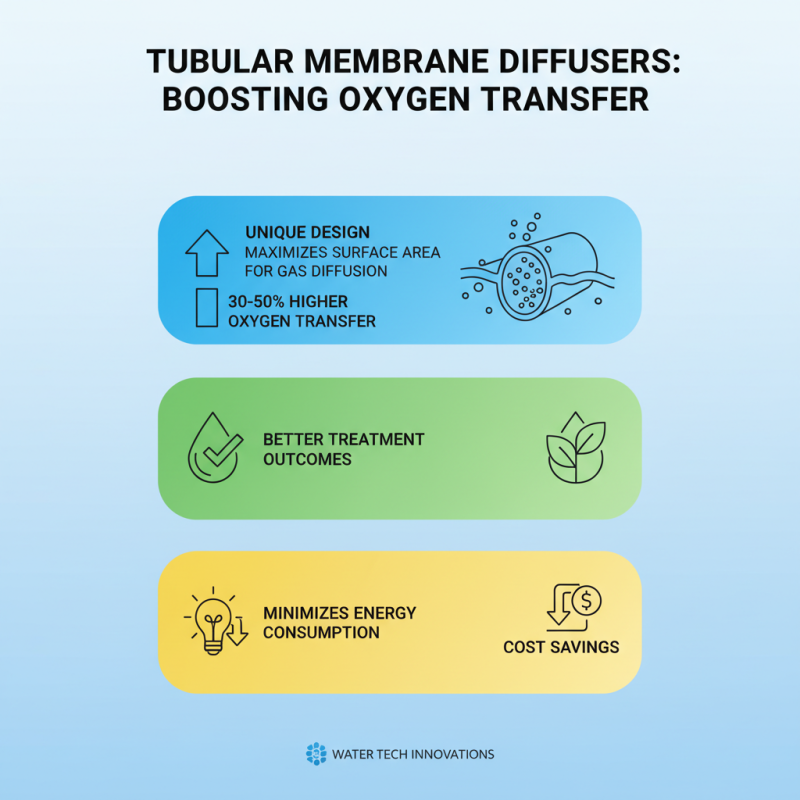
Tubular membrane diffusers have emerged as a vital solution for enhancing oxygen transfer efficiency in water treatment. Studies show that they can achieve around 30% to 50% higher oxygen transfer rates compared to traditional methods. This efficiency stems from their unique design, which maximizes the surface area for gas diffusion. As a result, operators can achieve better treatment outcomes while minimizing energy consumption.
One significant advantage is the consistent air distribution these diffusers provide. Uneven airflow can negatively impact treatment processes. Data indicates that unequal oxygen distribution can lead to a 20% reduction in efficiency, leading to insufficient bioactivity in activated sludge systems. Therefore, the installation of tubular membrane diffusers can create a more stable environment, fostering optimal microbial growth.
Tip: Regular maintenance of diffusers can prevent fouling and ensure maximum performance. Inspecting the membranes periodically can prolong their lifespan and maintain efficiency. Achieving high oxygen transfer is not only about the equipment but also about how it's used and maintained. It’s essential to evaluate current operations and regularly seek improvements.
Balancing economic considerations with performance also requires reflection. While tubular membrane diffusers can have higher upfront costs, the long-term gains in operational efficiency often outweigh these initial investments. Adopting a thoughtful approach to technology selection can fundamentally transform treatment processes.
Factors to Consider When Selecting Tubular Membrane Diffusers
When selecting a tubular membrane diffuser for water treatment, several factors are key. Consider the specific application and the water characteristics. Different treatments may require varying diffuser configurations. For instance, municipal wastewater treatment involves unique challenges compared to industrial processes. A thorough understanding of the specific environment is essential.
The material of the diffuser plays a crucial role in its performance. Advanced polymers can enhance durability and resistance to fouling. These materials ensure longevity and reliable operation. Additionally, consider the diffuser's aeration efficiency and air flow rates. Efficiency affects the overall treatment performance and operational costs.
Installation and maintenance also deserve attention. Tubular diffusers should be easy to install and require minimal operation time. Regular checks are necessary to ensure optimal functionality. Reflect on past experiences with different diffusers, noting any challenges faced. These reflections can guide future decisions and foster a better understanding of how to achieve desired outcomes in water treatment projects.
Maintenance Best Practices for Tubular Membrane Diffusers in Facilities
Maintaining tubular membrane diffusers is crucial for their efficient operation in water treatment facilities. Regular inspections are essential. Check for blockages or damage to the membranes. These can reduce air flow and efficiency. A thorough visual examination should occur monthly. Issues found during checks must be addressed immediately.
Cleaning is another key aspect of maintenance. Use gentle methods to avoid damaging the membranes. A simple solution of mild detergent and water can help remove buildup. Rinse thoroughly to prevent residue. Regular cleaning can extend the life of the diffusers significantly.
Don’t overlook the importance of monitoring performance. Record air flow rates and any changes. If performance dips unexpectedly, investigate possible causes. Operator experience plays a key role in detecting these changes. Staff training in diffuser maintenance is vital. Empower your team with knowledge to ensure the system operates optimally. This proactive approach can save time and resources in the long run.

 +86 13600513715
 CONTACT NUMBER
 CONTACT NUMBER