Top Submersible Mixer Options for Efficient Wastewater Treatment?
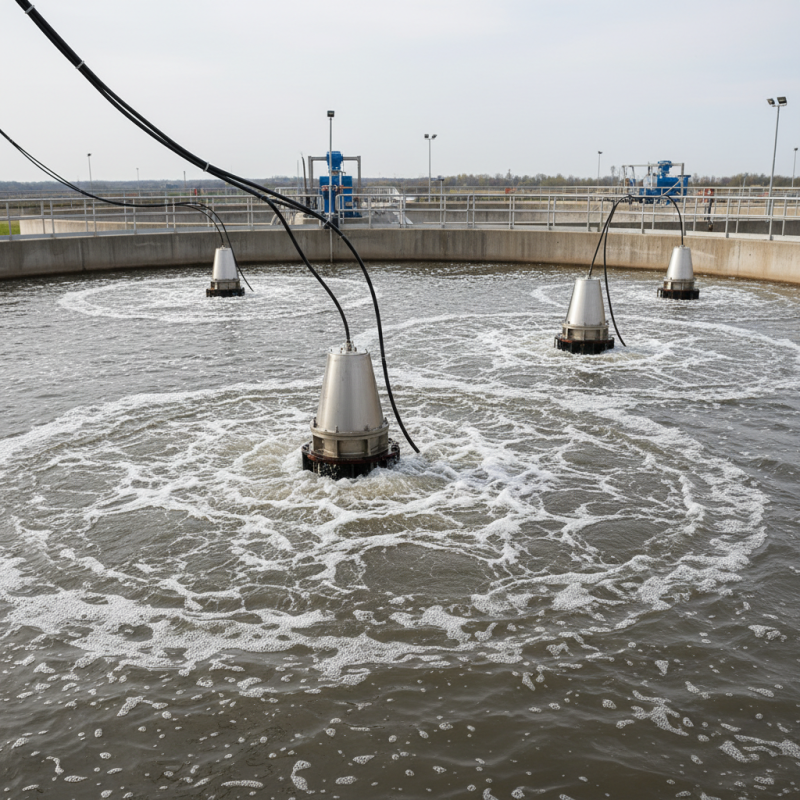
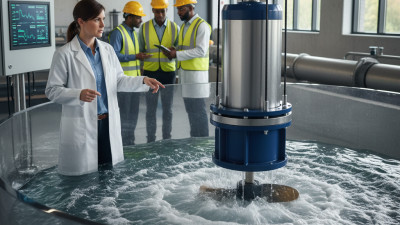
In the realm of wastewater treatment, efficiency is paramount. One crucial component is the "Submersible Mixer." These devices play a vital role in ensuring proper mixing and aeration. Their effectiveness directly impacts the quality of treated water.
Choosing the right submersible mixer can be daunting. With various models available, each has its strengths and weaknesses. Some mixers excel in energy efficiency, while others offer robust performance in harsh environments. This complexity requires careful consideration and expertise.
Understanding the unique requirements of your wastewater treatment facility is essential. It is not just about picking any mixer; it is about finding the right fit. This decision can influence operational costs and long-term effectiveness. The right submersible mixer not only enhances treatment efficiency but also contributes to sustainable practices in wastewater management.
Key Features to Consider in Submersible Mixers for Wastewater Treatment
When selecting a submersible mixer for wastewater treatment, it’s crucial to consider several key features.
Efficiency is a top priority. Look for mixers that offer
adjustable speed settings. This allows operators to tailor the mixing intensity according to specific needs.
High energy efficiency can significantly reduce operating costs. Therefore, a well-designed impeller is essential.
It should create optimal flow patterns while minimizing energy consumption.
Durability is also vital. Wastewater environments can be harsh, often involving corrosive materials.
Select mixers built with strong, resistant materials to extend their lifespan.
Robust construction helps prevent breakdowns, ensuring reliable performance over time. Additionally, consider
maintenance requirements. Designs that allow easy access to components for cleaning and repairs are highly beneficial.
Regular maintenance keeps mixers functioning smoothly, reducing downtime.
Lastly, evaluate the noise levels of the mixer. Some designs operate quietly, which can be important in urban areas.
A noisy mixer could cause disturbances for nearby residents. Balancing efficiency, durability, and noise can be challenging.
Careful consideration of these features will lead to a more effective wastewater treatment process.
Comparison of Different Types of Submersible Mixers Available on the Market
When considering submersible mixers for wastewater treatment, several types are available. Each type offers unique benefits based on specific application needs. For instance, propeller mixers provide high flow rates and are ideal for larger tanks. According to a 2021 industry report, they can achieve mixing efficiency levels up to 95%. However, they may not be suitable for smaller volumes or where fine mixing is required.
Aeration mixers, on the other hand, combine mixing and oxygen transfer. This dual function is vital in wastewater treatment, enhancing biological processes. Recent studies indicate that properly sized aeration mixers can reduce energy costs by up to 30%. But, improper sizing could lead to inadequate mixing and higher operational expenses. Users must carefully evaluate their requirements.
Portable submersible mixers offer flexibility for various applications. They are ideal for temporary installations. Nevertheless, their mobility can lead to inconsistent performance if not monitored properly. A survey showed that 40% of operators experience challenges related to mixing efficiency when using portable options. Understanding these variables can significantly influence the selection process.
Top Submersible Mixer Options for Efficient Wastewater Treatment
| Mixer Type |
Power (kW) |
Max Depth (m) |
Flow Rate (m³/h) |
Weight (kg) |
Material |
| Mechanical Mixer |
2.2 |
7 |
60 |
150 |
Stainless Steel |
| Propeller Mixer |
3.0 |
8 |
80 |
200 |
Plastic |
| Centrifugal Mixer |
4.0 |
6 |
90 |
250 |
Aluminum |
| Side Entry Mixer |
1.5 |
5 |
50 |
120 |
Carbon Steel |
| Submersible Aerator Mixer |
5.5 |
10 |
100 |
300 |
Stainless Steel |
Benefits of Using Submersible Mixers in Wastewater Treatment Facilities
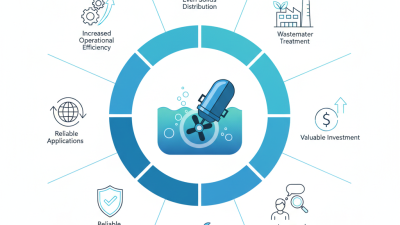
Submersible mixers play a crucial role in wastewater treatment facilities. They help in maintaining uniform suspension of solids. By effectively blending materials, they enhance biological processes and improve overall efficiency. The benefits of using submersible mixers are significant.
These mixers reduce dead zones in basins, ensuring optimal microbial activity. The action of mixing allows for better oxygen transfer, which is vital for aerobic digestion. Additionally, they are energy-efficient options, often leading to lower operational costs. Their robust design makes them reliable, minimizing downtime and maintenance.
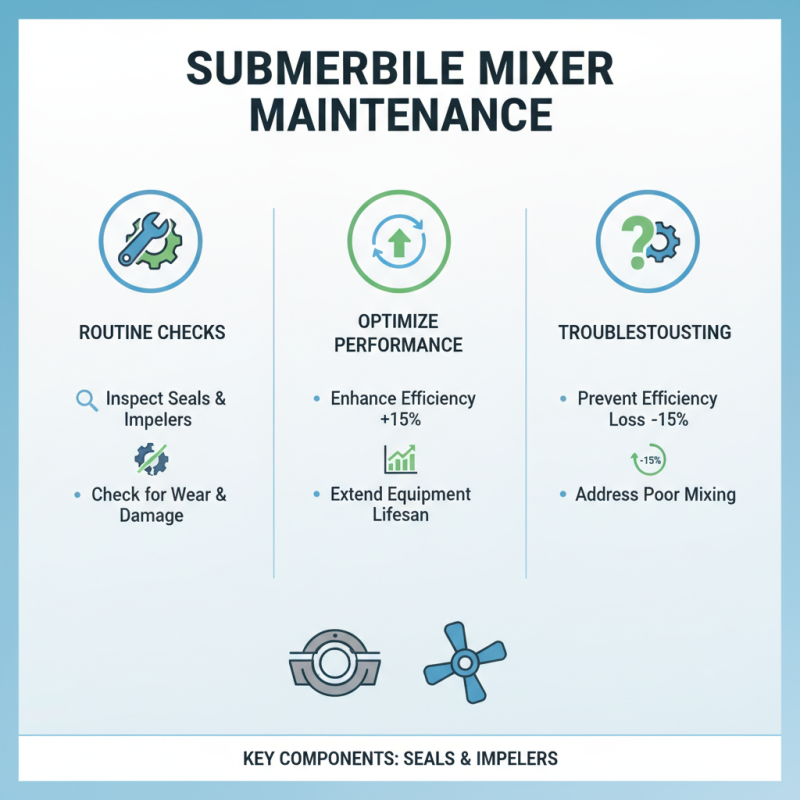
Tips: Regular maintenance checks are essential for optimal performance. Inspect seals and bearings frequently. Consider your facility's specific needs before choosing a mixer. Understand that not every mixer suits all applications. It’s wise to consult experts for proper guidance.
Implementing submersible mixers can lead to better effluent quality. However, choosing the right equipment requires careful consideration of flow patterns and tank sizes. Not all facilities may benefit equally, so perform thorough assessments to verify compatibility.
Submersible Mixer Efficiency in Wastewater Treatment
This chart illustrates the efficiency, energy consumption, and maintenance frequency of various submersible mixers in wastewater treatment. The data highlights the performance metrics that can influence the selection of mixers for effective wastewater management.
Top Brands and Models of Submersible Mixers for Optimal Efficiency
Selecting the right submersible mixer is vital for achieving efficient wastewater treatment. Various models provide different mixing technologies tailored to specific needs. According to recent industry reports, the market for submersible mixers is growing at a CAGR of 5.2%, driven by increasing wastewater treatment requirements globally.
Some high-performance mixers utilize energy-efficient motors. These motors can reduce energy consumption by up to 30%. Furthermore, robust designs withstand corrosive environments, enhancing durability. Opting for lightweight materials can lower installation and maintenance costs. Despite these advantages, some models may not offer the expected mixing intensity, leading to stagnation in certain areas of treatment tanks.
Regular assessments of mixer performance are critical. An inefficient mixer may necessitate increased operational costs and could hinder process efficiency. Data suggests that optimal mixing can improve the effectiveness of biological processes, resulting in enhanced treatment outcomes. Balancing mixer selection with operational objectives is essential for achieving long-term efficiency in wastewater treatment systems.
Maintenance and Troubleshooting Tips for Submersible Mixers in Use
Efficient operation of submersible mixers is crucial for effective wastewater treatment. Regular maintenance enhances performance and extends the lifespan of equipment. According to industry studies, improper maintenance can lead to a 15% reduction in mixer efficiency. It is essential to check the mixer for wear and tear, especially on seals and impellers. The longevity of these components directly impacts mixing capabilities.
Troubleshooting is key to maintaining optimal operation. Common issues include clogging and vibration. Clogging, often from debris or sediment buildup, decreases mixing efficiency. Operators should routinely inspect inlet screens for blockages. Vibration may indicate misalignment or imbalance. If vibrations persist, it can lead to serious mechanical failure. This situation highlights the importance of immediate attention to mixer functionality.
User feedback indicates that scheduling regular inspections can prevent major issues. Some facilities lag in these practices, resulting in increased downtime and repair costs. Reports show that proactive maintenance can reduce unexpected failures by up to 30%. Establishing a clear maintenance schedule and training staff ensures better mixer performance and reliability in wastewater treatment operations.

 +86 13600513715
 CONTACT NUMBER
 CONTACT NUMBER