 +86 13600513715
Leave Your Message
-
CONTACT NUMBER
-
 CONTACT NUMBER
-
 CONTACT NUMBER
An Air Diffuser Disc is compact, yet its pore structure and material consistency can shape its performance. For global buyers, choosing a supplier involves more than comparing prices or polished catalog photographs. Technical drawings, material data, stated dimensions, and sample results provide a more useful starting point. Ask how production batches are inspected and whether specifications remain consistent across repeat orders. Details matter.
Procurement teams may also need realistic lead times, suitable export packaging, responsive communication, and clear after-sales support. Certificates can help, but buyers should check their scope, issuing body, and relevance to the specific product. For aeration or water-treatment projects, discuss operating conditions and compatibility directly with suppliers. Not every supplier fits. A low quotation may exclude testing, tooling, or freight, so compare equivalent terms. This guide introduces Air Diffuser Disc suppliers serving international markets and highlights practical screening considerations. An online profile alone does not prove dependable manufacturing. Verifiable information, sample evaluation, and careful communication all help inform a purchase decision. No checklist catches every issue, so supplier claims and buyer requirements still deserve scrutiny.
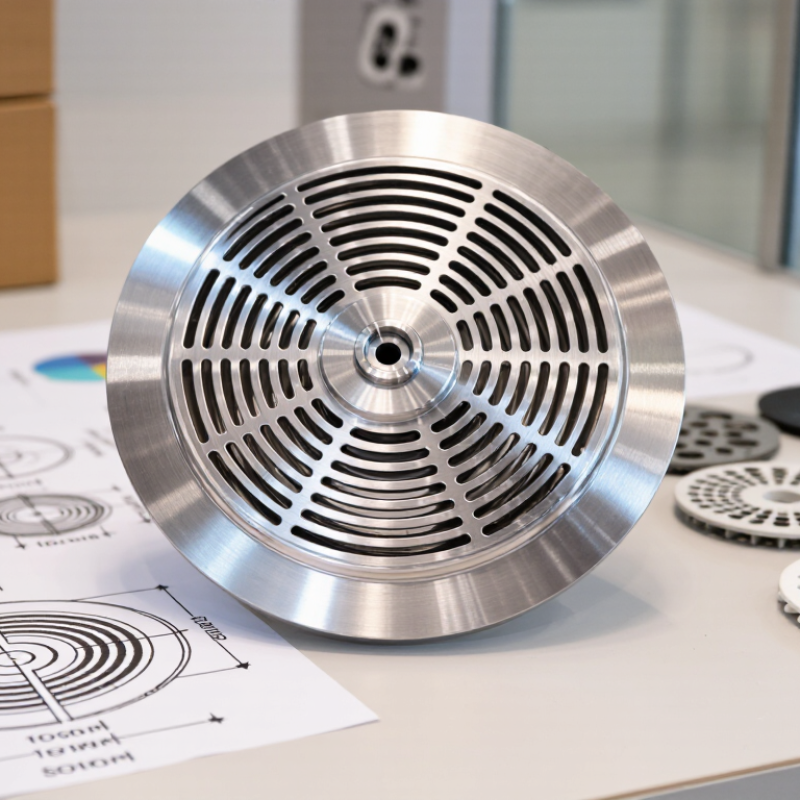
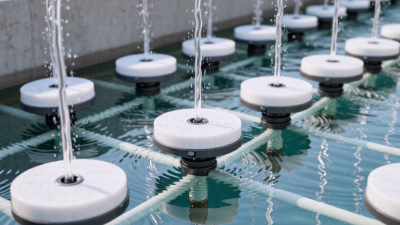
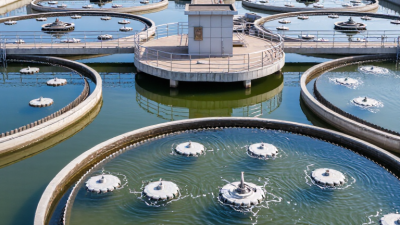
Air diffuser discs release compressed air through fine pores, forming bubbles across a tank floor. In fine-bubble aeration, bubbles below 2 mm are a common benchmark. Their small size creates more gas–water contact area than larger bubbles, supporting oxygen transfer as they rise. A visible detail matters: a healthy disc produces an even, close-spaced pattern, not a few forceful plumes.
The <2 mm figure is useful, but it can hide important operating differences. Bubble size and oxygen transfer vary with airflow, water depth, temperature, and diffuser condition. A disc tested in clean water may perform differently in wastewater, where deposits can clog pores. Look for test results that state the air rate and water conditions, not just a headline bubble measurement. Also check pressure loss and whether the disc can be cleaned or replaced without major disruption. Small bubbles help, but they are not a guarantee. Even a well-specified disc can underperform when airflow is uneven or maintenance is delayed.
| Buyer Consideration | What It Means | Useful Data or Benchmark | What to Verify with a Supplier |
|---|---|---|---|
| Fine-bubble definition | A diffuser releases air through small openings to produce bubbles and transfer oxygen into water. | Bubbles below 2 mm are a commonly used fine-bubble benchmark; this is not a guarantee that every bubble from a disc will be below 2 mm. | Ask how bubble size was measured and request the test conditions, including airflow, water depth, and water quality. |
| Disc construction | A typical disc assembly includes a perforated or porous membrane, a supporting body, and an air connection. | Construction and connection dimensions vary by product; nominal dimensions alone do not establish compatibility. | Confirm overall diameter, active membrane area, connection type, materials, and mounting arrangement against the installation drawings. |
| Membrane material: EPDM | EPDM elastomer membranes are widely used in wastewater aeration systems. | Formulation affects chemical compatibility, temperature limits, and service life; EPDM performance is not identical across formulations. | Request the material specification and compatibility guidance for the process water, cleaning chemicals, and operating temperature. |
| Membrane material: silicone | Silicone is another elastomer option used in some aeration applications. | Material choice should be based on the application and operating conditions, not on a general assumption that one elastomer is always superior. | Compare documented chemical resistance, operating limits, cleaning requirements, and replacement guidance with the proposed duty. |
| Ceramic or other rigid porous discs | Rigid porous diffuser media can be used in selected aeration applications, including some process and aquaculture systems. | Pore structure, fouling tendency, cleaning method, and operating airflow depend on the specific design and service conditions. | Check the recommended cleaning procedure, allowable pressure, and whether the unit is intended for continuous or intermittent operation. |
| Airflow and pressure loss | Airflow affects bubble formation, oxygen transfer, and the pressure required from the blower. | There is no single suitable airflow or pressure-loss value for all discs; performance depends on the model, water depth, and operating condition. | Request airflow-versus-pressure data and confirm the proposed operating point falls within the supplier’s stated range. |
| Oxygen-transfer performance | Clean-water testing can compare oxygen-transfer characteristics under specified test conditions. | ASCE/EWRI 2-06 is a recognized standard for measuring oxygen transfer in clean water; clean-water results do not directly equal performance in wastewater. | Check the test method, water depth, airflow, diffuser layout, and reported correction assumptions before comparing results. |
| Fouling and maintenance | Biological growth, mineral deposits, suspended solids, and material ageing can affect diffuser performance over time. | Maintenance frequency is site-specific and depends on water chemistry, process operation, and diffuser design. | Ask for inspection and cleaning instructions, replacement-part availability, and the conditions covered by the warranty. |
| Supplier documentation | A technically useful offer should provide enough evidence to assess fit, performance, and lifecycle needs. | Relevant documents may include dimensional drawings, material data, performance curves, installation instructions, and test reports. | Compare offers using the same operating assumptions and require stated values to be supported by traceable documentation. |