Top 10 Air Diffusers for Water Treatment Solutions Worldwide?
In the realm of water treatment, the efficiency of air diffusers plays a crucial role. Air diffusers for water treatment enhance the aeration process, which is essential for promoting aerobic bacteria that break down organic matter. According to the Global Water Treatment market report, the demand for effective aeration solutions is anticipated to grow by 7% annually through 2027.
Despite advancements, many facilities still face challenges with traditional air diffuser systems. Issues such as clogging and uneven air distribution can impede performance. A recent study highlighted that up to 40% of the energy used in wastewater treatment is due to aeration inefficiencies. This emphasizes the need for innovative air diffuser designs that can optimize air flow and minimize energy consumption.
Air diffusers are not merely accessories; they are a fundamental part of effective water treatment systems. As we explore the top 10 air diffusers for water treatment, it's essential to consider factors like durability, efficiency, and adaptability. In a rapidly evolving industrial landscape, selecting the right air diffuser can yield significant improvements in both environmental impact and operational costs.
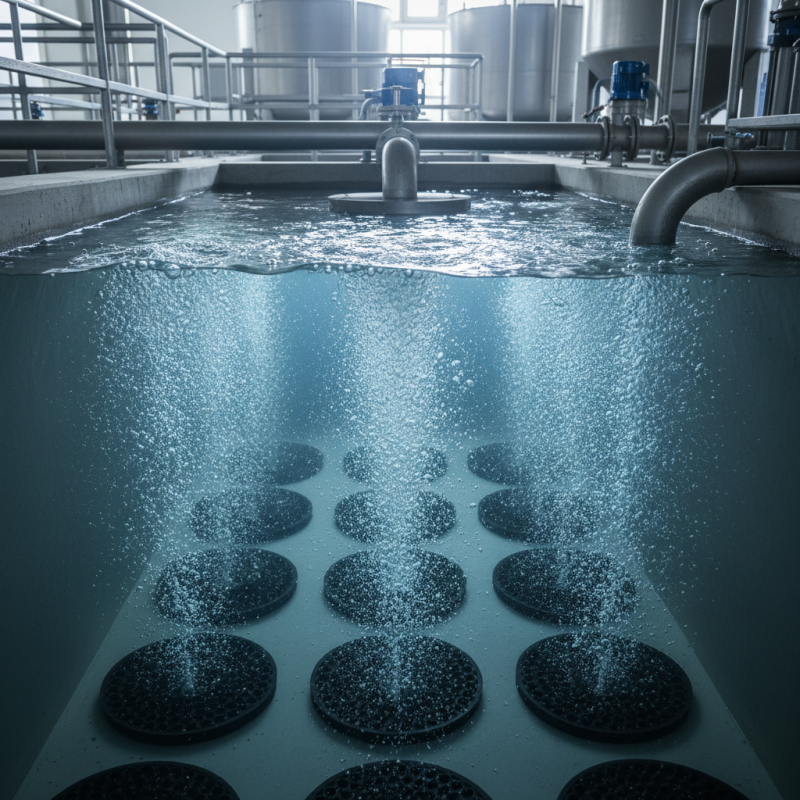
Top 10 Air Diffusers for Water Treatment Solutions Worldwide
Air diffusers play a crucial role in water treatment solutions. They enhance aeration efficiency, which is vital for the biological treatment of wastewater. The global market for air diffusers has witnessed significant growth, projected to reach over $1.5 billion by 2026, according to industry reports. This growth is driven by rising demands for clean water and sustainable practices across various sectors.
Different types of air diffusers exist, including membrane, ceramic, and tube-based designs. Membrane diffusers are particularly popular for their high oxygen transfer efficiency and lower maintenance costs. Studies show that these diffusers can achieve up to 90% efficiency in oxygen transfer. However, users need to be aware of potential fouling issues that can affect long-term performance. Ceramic diffusers may excel in durability but often carry higher initial costs.
While many solutions are available, there's no one-size-fits-all approach. Site-specific conditions, such as water temperature and quality, heavily influence diffuser selection. Implementing the wrong technology can lead to decreased operational efficiency. Regular assessment of diffuser performance remains critical, ensuring that they meet evolving regulatory standards and operational needs. Observations indicate that continuous monitoring can identify problems early, preventing costly downtime and repairs.
Key Features of Effective Air Diffusers in Water Treatment
Air diffusers play a critical role in water treatment processes. They improve oxygen transfer efficiency, which is vital for aquatic health. Efficient air diffusers can increase oxygen transfer rates by up to 30%, as indicated by research from the Water Environment Federation. This improvement can significantly enhance biological treatment processes in wastewater systems.
Key features define effective air diffusers. The design matters. Membrane diffusers, for example, produce finer bubbles. Research shows that smaller bubbles have a greater surface area, facilitating better oxygen absorption. A well-constructed diffuser can also reduce maintenance needs. Reports suggest that properly maintained diffusers can last over a decade, but they must be inspected regularly.
However, not all systems perform as expected. Some diffusers experience fouling, leading to decreased efficiency. A study highlighted that up to 40% of diffuser systems show signs of clogging within five years. This underscores the importance of monitoring and regular maintenance. Ultimately, the right air diffuser can greatly impact water treatment efficiency, but it requires continuous assessment and adjustments to ensure optimal performance.
Benefits of Using Air Diffusers for Water Quality Improvement
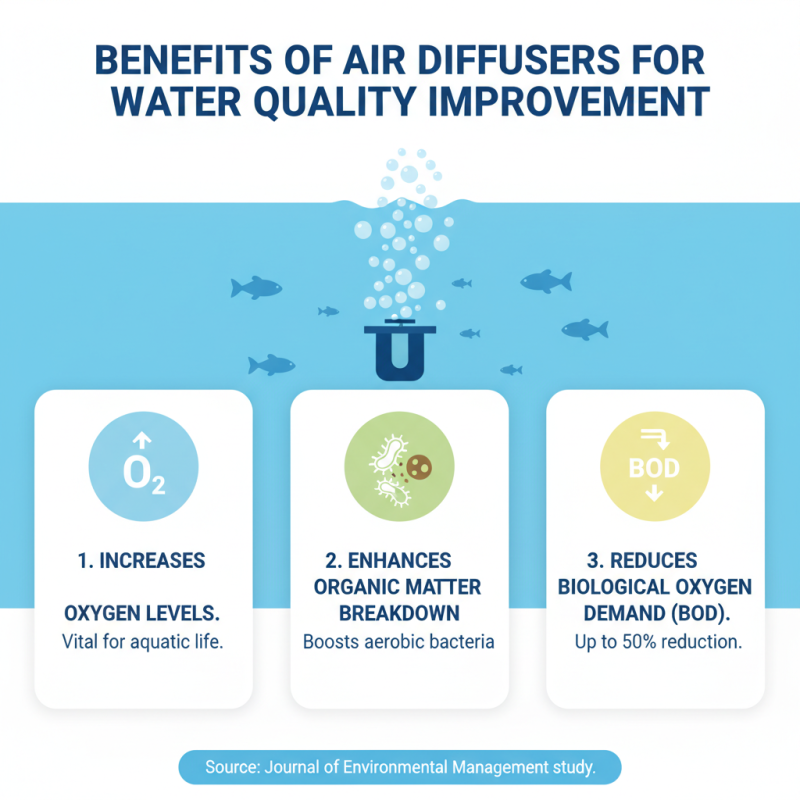
Air diffusers play a crucial role in improving water quality. By introducing air into water, they enhance oxygen levels. This is vital for aerobic bacteria, which break down organic matter. According to a study published in the Journal of Environmental Management, proper aeration can reduce biological oxygen demand (BOD) by up to 50%.
The use of air diffusers also promotes the removal of harmful substances. For instance, they can help in the effective elimination of ammonia and nitrogen compounds. A report from the International Water Association indicates that air diffusion systems can increase the rate of nitrification by 30%. This is essential in wastewater treatment plants to meet environmental regulations.
However, the efficiency of air diffusers is not without challenges. Factors like placement and spacing can influence performance. Poor design can lead to uneven airflow, affecting overall water treatment efficiency. Continuous monitoring and adjustments are necessary to achieve optimal results. Understanding the dynamics of water movement and diffuser technology is vital. This calls for ongoing research and professional expertise in the field.
Comparison of Popular Air Diffuser Types for Water Treatment
When it comes to water treatment, air diffusers play a crucial role. They enhance the oxygen levels in water bodies, helping to maintain healthy aquatic ecosystems. Different types of air diffusers serve various purposes. Some are designed for sewage treatment, while others are better suited for aquaculture. Each type has unique features influencing its effectiveness.
Common types include membrane diffusers, disc diffusers, and pipe diffusers. Membrane diffusers offer fine bubbles, which provide better oxygen transfer efficiency. However, their maintenance can be challenging. Disc diffusers produce larger bubbles but might not saturate the water as effectively. Pipe diffusers are versatile but can be cumbersome to install in limited spaces.
Choosing the right air diffuser is vital yet often overlooked. Users must consider efficiency, maintenance, and installation ease. Overemphasis on cost can lead to poor long-term performance. Reflecting on these factors ensures a balanced approach to achieving optimal water treatment outcomes.
Top 10 Air Diffusers for Water Treatment Solutions Worldwide
Factors to Consider When Selecting Air Diffusers for Your Needs
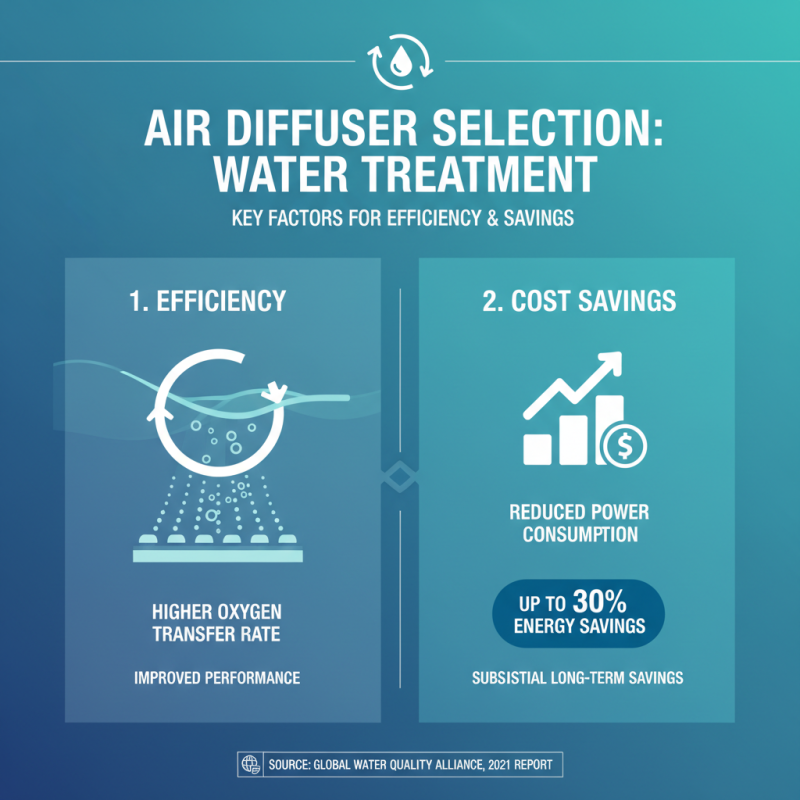
When selecting air diffusers for water treatment, several critical factors come into play. Efficiency is paramount. According to a 2021 report from the Global Water Quality Alliance, aeration efficiency significantly impacts the operational costs of wastewater treatment. Diffusers with higher oxygen transfer rates can lead to improved performance, reducing power consumption by up to 30%. This can provide substantial savings over time.
The material of the diffuser also matters. For instance, ceramic diffusers are well-known for their durability and resistance to fouling, which can ensure long-term performance. However, they may not be suitable for all water types. In harsh environments, rubber diffusers could degrade quicker. A report by the International Water Association highlighted that choosing the wrong material can shorten the lifespan of a diffuser by as much as 50%.
Installation and maintenance considerations are crucial too. Proper installation can prevent air leaks, which are often overlooked. Over time, these leaks can undermine efficiency, leading to increased operational costs. Research shows that regular maintenance can enhance diffuser lifespan and performance. Yet, many plants overlook this, often leading to unexpected downtime. Balancing these factors is essential for optimal water treatment outcomes.

 +86 13600513715
 CONTACT NUMBER
 CONTACT NUMBER