Top Mixed Bed Bioreactor Applications in Wastewater Treatment Technologies?
The global demand for wastewater treatment is rising. According to the Water Environment Federation, approximately 320 billion gallons of wastewater are treated daily worldwide. Mixed Bed Bioreactor (MBBR) technology has emerged as a vital solution in this field. It combines moving bed biofilm technology with conventional activated sludge processes. This dual approach enhances treatment efficiency.
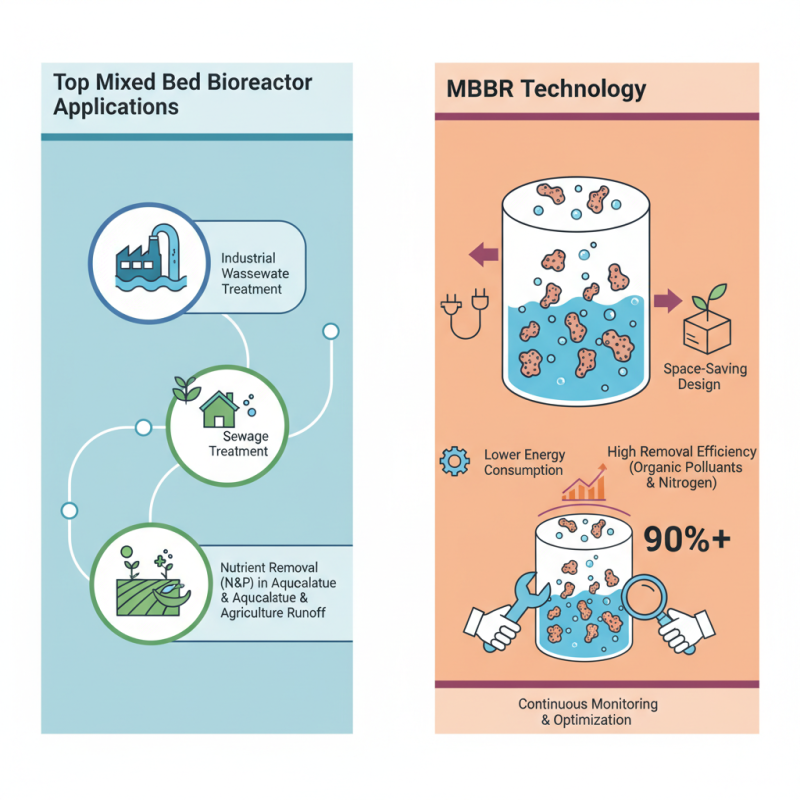
MBBRs have shown remarkable performance in removing organic pollutants and nutrients. A 2021 study from the Journal of Water Process Engineering reveals that MBBRs can achieve over 90% removal efficiency for nitrogen. Despite these successes, challenges persist in optimizing the bioreactor design. Operators often face issues with biofilm growth and system stability over time. Continuous monitoring and adjustments are essential for sustained efficiency.
The advantages of MBBR include lower energy consumption and space-saving designs. However, some facilities still struggle to implement this technology effectively. Research indicates that not all applications yield the expected results. Therefore, more data and experience-sharing are critical for refining MBBR applications. The growing interest in sustainable wastewater treatment emphasizes the need for innovative solutions like Mixed Bed Bioreactors.
Overview of Mixed Bed Bioreactor Technology in Wastewater Treatment
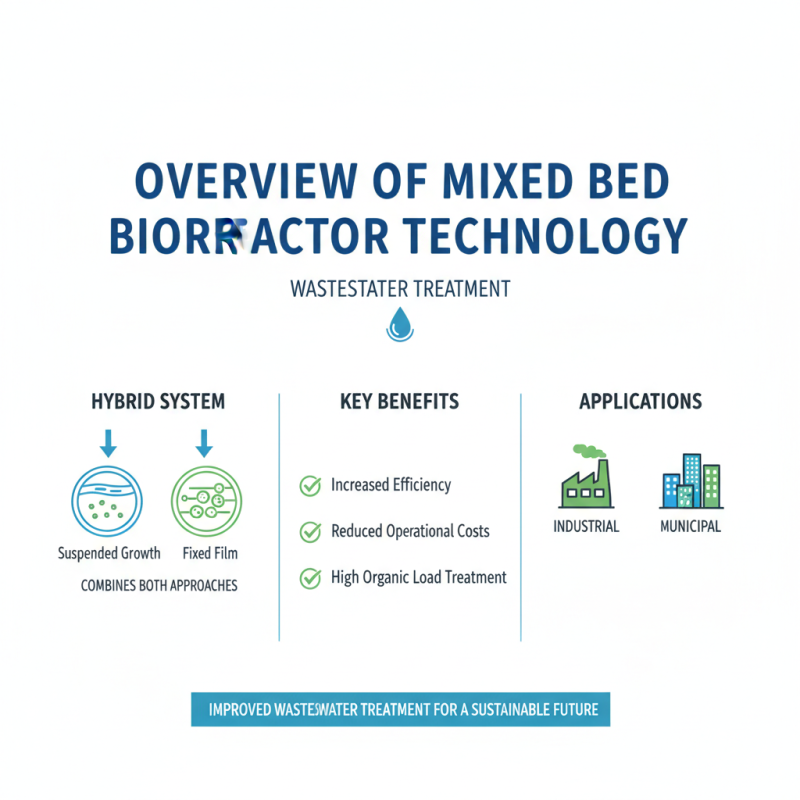
Mixed Bed Bioreactors (MBBRs) are increasingly popular in wastewater treatment. They combine suspended growth and fixed film systems. This hybrid approach improves efficiency and reduces operational costs. MBBRs can effectively treat high organic loads. They often feature in municipal and industrial applications.
Recent studies highlight that MBBRs can enhance nitrogen and phosphorus removal. According to the International Water Association, MBBRs can achieve up to 90% nutrient removal efficiency. This effectiveness is crucial for meeting strict regulatory standards. However, challenges remain. Managing biofilm thickness is vital to prevent mass transfer limitations. Overly thick biofilms can hinder performance.
Data from recent wastewater treatment reports indicate that MBBRs are being adopted globally. In Europe, for example, the market share of MBBR technology is projected to grow by 15% annually. While this growth is promising, not all installations meet expectations. Some facilities report issues with biofouling and operational stability. Continuous monitoring and optimization are essential to overcoming these hurdles, ensuring that MBBRs operate at their full potential.
Key Advantages of Using Mixed Bed Bioreactors in Wastewater Processes
Mixed-bed bioreactors are gaining traction in wastewater treatment due to their effective and versatile performance. These systems combine both suspended and attached growth processes. This hybrid approach results in a robust microbial community. Notably, studies have shown that mixed-bed bioreactors can reduce organic pollutants by over 90% in industrial wastewater.
One key advantage is their adaptability to varying influent conditions. They can handle fluctuations in temperature and composition. This makes them suitable for diverse applications. A report from the Water Environment Federation revealed that facilities using mixed-bed bioreactors often achieve lower operational costs. However, there are some challenges. Maintaining the right balance of microorganisms can be tricky. If not monitored well, the system might underperform.
Additionally, these bioreactors show potential for nitrogen and phosphorus removal. By emphasizing nutrient recovery, they align with sustainability goals. Yet, this requires careful management to prevent nutrient overloads. Some operators report difficulty in scaling up these systems efficiently. Despite these challenges, mixed-bed bioreactors continue to demonstrate significant promise in enhancing wastewater treatment outcomes.
Top Mixed Bed Bioreactor Applications in Wastewater Treatment Technologies
| Application Area |
Key Advantages |
Typical Treatment Capacity (m³/day) |
Common Microbial Cultures |
| Municipal Wastewater Treatment |
High efficiency in removing organic pollutants |
5000 |
Bacillus spp., Pseudomonas spp. |
| Industrial Wastewater Treatment |
Effective degradation of complex industrial wastes |
3000 |
Aeromonas spp., Acinetobacter spp. |
| Aquaculture Waste Treatment |
Reduction of ammonia and nitrite levels |
2000 |
Nitrosomonas spp., Nitrobacter spp. |
| Sludge Treatment |
Enhances sludge stabilization and reduce odors |
1500 |
Dehalococcoides spp., Methanosarcina spp. |
| Landfill Leachate Treatment |
Capable of handling high loads of pollutants |
1000 |
Facultative anaerobes, Methanogens |
Leading Applications of Mixed Bed Bioreactors in Industrial Waste Treatment
Mixed bed bioreactors are increasingly applied in industrial waste treatment. These systems combine different microorganisms to enhance the degradation of pollutants. In industries like textile and food processing, these reactors break down complex organic compounds efficiently. Their design allows for optimized conditions, promoting rapid microbial growth.
In some cases, challenges arise in maintaining the reactor’s balance. Overloading with contaminants can lead to decreased efficiency. Not all waste types are suitable for mixed bed systems. For instance, high toxicity levels can inhibit microbial activity. Regular monitoring is essential to prevent such issues. This reactive environment needs careful handling and constant adjustment.
Another consideration is the cost of operation. Initial setup can be expensive, despite long-term savings on waste management. Therefore, industries must weigh their options carefully. While mixed bed bioreactors offer benefits, they require commitment and infrastructure. Recycling wastewater this way may not suit every facility, highlighting the need for thorough assessments before implementation.
Case Studies: Successful Implementation of Mixed Bed Bioreactors
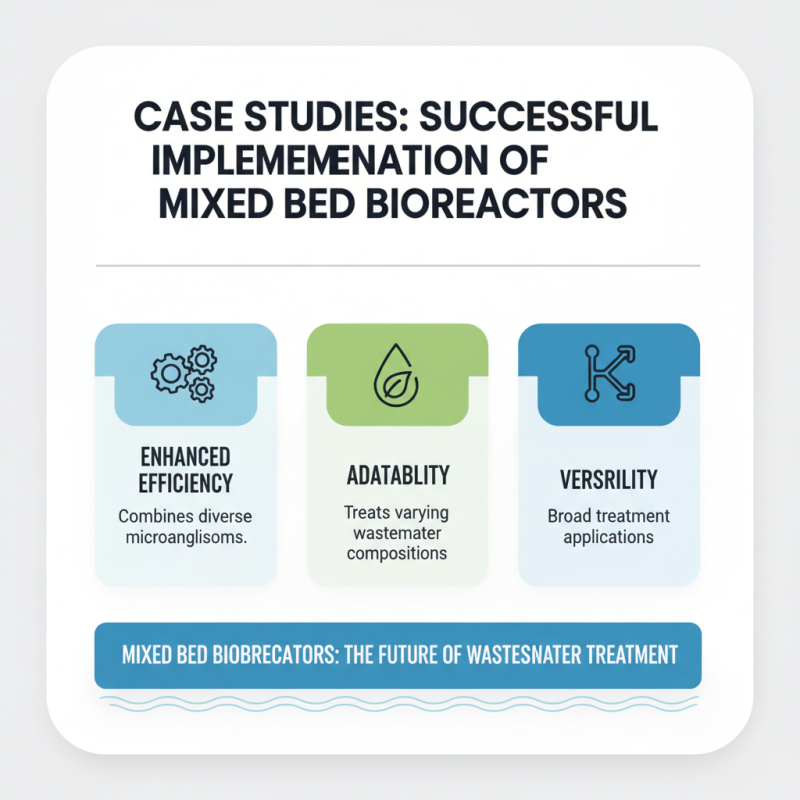
Mixed bed bioreactors are gaining popularity in wastewater treatment. They combine different types of microorganisms to enhance treatment efficiency. These systems can adapt to varying wastewater compositions, providing versatility in treatment applications.
One successful implementation occurred in a municipal wastewater treatment plant. The plant struggled with high nitrogen levels. After installing a mixed bed bioreactor, they noted a significant reduction in nitrogen concentrations. This improvement led to better effluent quality and compliance with environmental regulations. Operators reported easier management and lower operational costs.
Tips: Regular monitoring is crucial. Assessing the bioreactor's performance helps identify issues early. Staff training ensures everyone understands the system’s needs.
In another case, an industrial facility faced challenges with organic load. They turned to a mixed bed bioreactor, witnessing remarkable results. The facility achieved a 70% reduction in chemical oxygen demand (COD), transforming their waste into a manageable resource. However, they experienced initial operational hiccups. Continual adjustments were necessary to find the optimal balance of microbes.
Tips: Start with a pilot project. This approach allows testing in a controlled setting before full-scale implementation. Data collection during this phase can point out necessary adjustments.
Future Trends and Innovations in Mixed Bed Bioreactor Applications
Mixed bed bioreactors are gaining attention in wastewater treatment. They combine anaerobic and aerobic processes for better efficiency. This dual approach enhances nutrient removal and improves organic matter breakdown. As industries evolve, the demand for innovative solutions grows. Mixed bed bioreactors present a promising avenue for sustainable wastewater management.
Future trends indicate a rise in automation within bioreactor systems. Smart sensors can monitor parameters in real-time. This leads to optimized treatment processes and reduced operational costs. Additionally, advanced data analytics can help predict system failures. However, reliance on technology can introduce risks. Not all systems are foolproof. Regular maintenance is essential to avoid potential disasters.
Another trend is the integration of microbial fuel cells. These systems generate energy while treating wastewater. This synergy increases the viability of mixed bed bioreactors. However, challenges remain. The optimal balance between energy production and wastewater treatment needs refinement. Small-scale tests can offer insights, but scalability is a concern.
Tips: Regular training for operators can enhance system reliability. Consider implementing redundancy to minimize downtime. Collaboration among industries can lead to innovative solutions.

 +86 13600513715
 CONTACT NUMBER
 CONTACT NUMBER