What is a Membrane Disc Diffuser and How Does it Work?
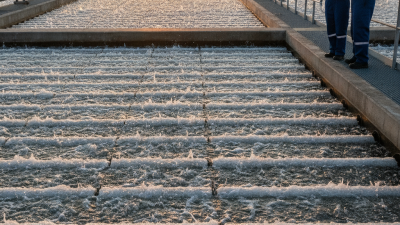
In the world of aquaculture and wastewater treatment, the "Membrane Disc Diffuser" stands out for its efficiency. An expert in aeration technology, Dr. Sarah Johnson, states, “The Membrane Disc Diffuser revolutionizes how we optimize oxygen transfer.” This innovative device is crucial in enhancing oxygen levels in water, which is vital for aquatic organisms.
The Membrane Disc Diffuser uses a membrane to release fine bubbles into the water. This process maximizes the contact area between air and water, facilitating better oxygen transfer. Moreover, these diffusers are durable and can withstand harsh conditions. They play a significant role in ensuring effective aeration processes, especially in large-scale operations.
However, not all installations yield optimal results. Proper maintenance is essential for maximizing performance. Occasionally, blockages occur, leading to decreased efficiency. Thus, reflecting on the overall system's design and operation is important. Understanding the intricacies of Membrane Disc Diffusers can ultimately lead to more successful aeration strategies.
What Is a Membrane Disc Diffuser and Its Key Features?
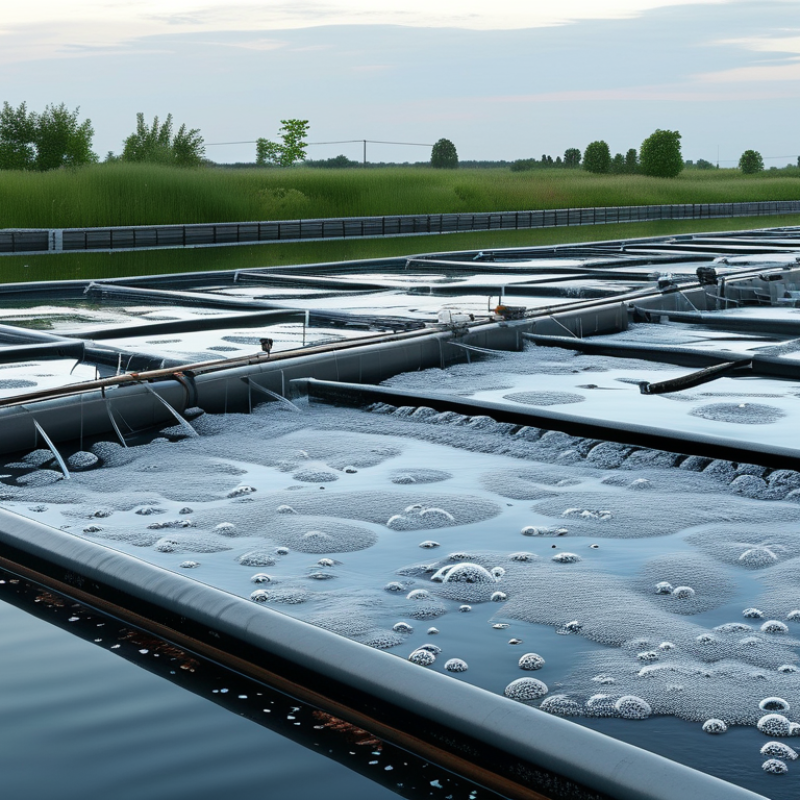
A membrane disc diffuser is a crucial component in wastewater treatment. It functions by releasing air into water, assisting in aeration. This aeration process promotes the growth of beneficial bacteria that break down organic matter. Membrane disc diffusers are known for their efficiency and durability, making them a preferred choice in treatment plants worldwide.
Key features of membrane disc diffusers include their fine bubble technology. This technology enhances oxygen transfer efficiency, which, according to industry reports, can reach up to 90%. Additionally, the design allows for minimal clogging, ensuring consistent performance. Maintenance requirements are also relatively low, but periodic checks are essential to avoid reduced efficiency. However, in some cases, manufacturers report that diffuser lifespan can vary. Factors like water quality and load conditions play significant roles.
Moreover, while these diffusers are efficient, their performance is highly sensitive to various environmental factors. Changes in water temperature and chemical composition can impact their output. A detailed analysis of operational conditions may reflect inconsistencies. Thus, regular monitoring is vital. Assessing these aspects ensures optimal functionality and prepares for any necessary upgrades or replacements.
The Operating Principle of Membrane Disc Diffusers Explained
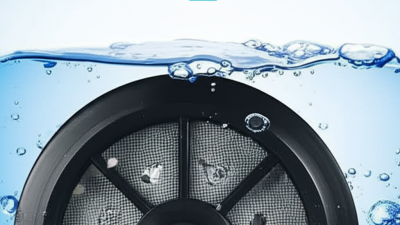
Membrane disc diffusers are essential in various industries, particularly in wastewater treatment. They utilize a simple yet effective operating principle to enhance aeration processes. The diffuser consists of a circular membrane fixed on a disc structure. When air is pumped into the diffuser, it creates fine bubbles that rise through the liquid. This method improves oxygen transfer efficiency significantly, often achieving rates over 30% compared to other diffusers.
In terms of design, membrane disc diffusers feature varied pore sizes. Smaller pores generate finer bubbles, maximizing surface area contact with the liquid. Studies show that fine bubbles can enhance oxygenation, leading to improved biological treatment processes. However, maintaining proper operating conditions is crucial. High pressure and fouling can reduce efficiency over time, thus requiring regular maintenance and potential replacement.
Data indicates that membrane disc diffusers can be highly efficient when installed correctly. A 2020 report highlighted that improperly placed diffusers reduced overall system performance by up to 25%. Hence, operators must be mindful of installation angles and spacing. The advanced technology behind these diffusers underscores the importance of rigorous adherence to manufacturer guidelines. Understanding the nuances of their operation can lead to better performance and longevity in wastewater treatment applications.
Materials Used in Membrane Disc Diffusers and Their Benefits
Membrane disc diffusers play a crucial role in wastewater treatment and aquaculture. The materials used in these devices significantly impact their performance and longevity. Common materials include EPDM, silicone, and thermoplastic polymers. EPDM, known for its resilience and flexibility, offers excellent chemical resistance. Silicone, while more expensive, boasts superior oxygen transfer efficiency. These materials are selected based on their ability to withstand harsh environments while effectively diffusing air.
Recent industry reports indicate that membrane disc diffusers can increase oxygen transfer rates by up to 30% compared to traditional methods. This improvement is critical for optimizing biological processes in treatment facilities. However, the durability of these materials can vary. EPDM diffusers can last up to 10 years, while silicone options may require replacement sooner, depending on operational conditions.
While material selection is key, the manufacturing process also affects performance. Precision in production ensures uniform pore size, enhancing air distribution. Imperfections can lead to uneven airflow, diminishing the diffuser’s effectiveness. Therefore, ongoing research into advanced materials and manufacturing techniques is essential. This reflects the industry’s commitment to improve sustainability and efficiency in water treatment systems.
Comparison of Membrane Disc Diffusers with Other Aeration Technologies
Membrane disc diffusers are essential in wastewater treatment. They generate fine bubbles for aeration. This process enhances oxygen transfer efficiency, which is crucial for biological treatment. Studies indicate that membrane disc diffusers can achieve an efficiency of up to 80%. This is significantly higher compared to traditional aeration methods.
When comparing membrane disc diffusers to other aeration technologies, the differences become apparent. For instance, mechanical surface aerators usually have lower oxygen transfer rates, often below 50%. This results in higher energy consumption for the same treatment capacity. Additionally, fine bubble diffusers provide a more uniform gas distribution, which improves overall performance.
However, membrane disc diffusers are not without challenges. Their installation and maintenance can be complex. Membrane fouling is a common issue, potentially decreasing efficiency over time. Continuous monitoring and regular maintenance are necessary to overcome this. In contrast, other technologies may offer easier upkeep but compromise on efficiency. This complexity highlights the need for careful consideration when selecting aeration technology for specific applications.
What is a Membrane Disc Diffuser and How Does it Work? - Comparison of Membrane Disc Diffusers with Other Aeration Technologies
| Feature |
Membrane Disc Diffuser |
Other Aeration Technology |
| Oxygen Transfer Efficiency |
High (up to 30%) |
Moderate (15-25%) |
| Maintenance Requirement |
Low |
Moderate to High |
| Installation Flexibility |
Flexible, can be installed in various systems |
Limited in certain configurations |
| Lifespan |
5-10 years |
3-7 years |
| Energy Consumption |
Low to Moderate |
Application |
Wastewater Treatment and Aquaculture |
Various Water Treatment Applications |
Common Applications and Benefits of Membrane Disc Diffusers in Industry
Membrane disc diffusers play a crucial role in various industrial applications. These devices are widely used in wastewater treatment plants. They improve oxygen transfer efficiency in aeration tanks, helping to break down organic matter. This process is vital for maintaining healthy aquatic ecosystems. Additionally, membrane disc diffusers are employed in aquaculture. They provide the necessary oxygen for fish and other aquatic life, enhancing growth and survival rates.
The benefits of using membrane disc diffusers are significant. Their design allows for uniform distribution of air, reducing dead zones in tanks. This uniformity leads to better treatment outcomes and lower energy consumption. Furthermore, they require less maintenance compared to traditional diffusers. However, occasional clogging or uneven wear can occur, leading to inefficiencies. It's essential for operators to monitor and maintain these systems regularly to prevent such issues.
Moreover, membrane disc diffusers contribute to cost savings over time. They can lower operational costs due to their energy efficiency. Industries are increasingly recognizing these advantages. However, the initial setup costs can be a concern. Balancing the upfront investment against long-term benefits is crucial for decision-makers. Understanding these trade-offs is key, as every application may present unique challenges and requirements.

 +86 13600513715
 CONTACT NUMBER
 CONTACT NUMBER