What is the Mbbr System For Wastewater Treatment in 2026?
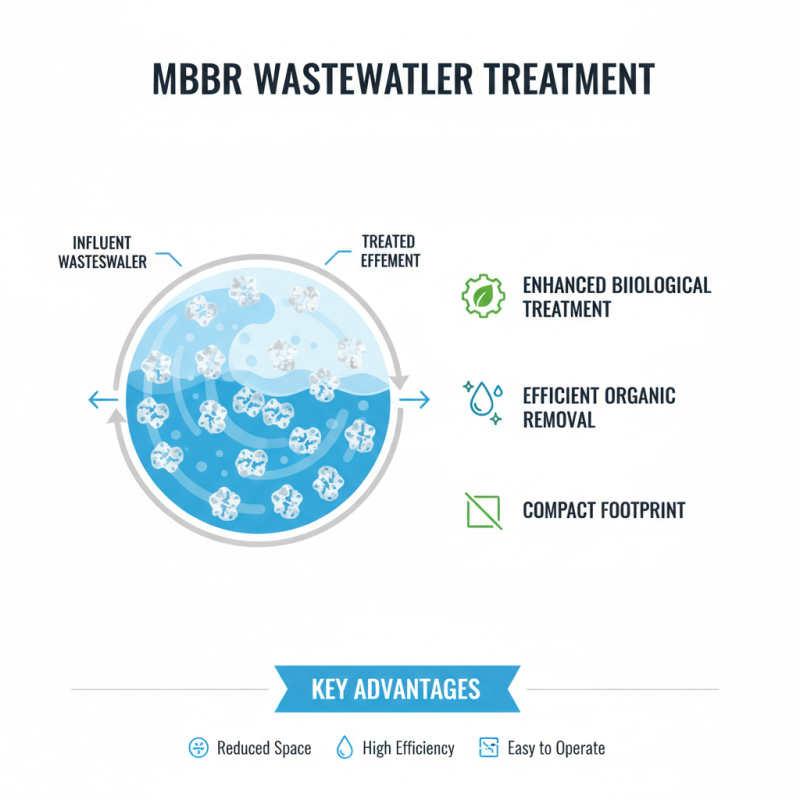
The Mbbr System For Wastewater Treatment represents a significant shift in the management of water resources. By 2026, this technology is expected to revolutionize the way we approach wastewater treatment. It utilizes moving bed biofilm reactors and offers efficiency, flexibility, and reduced energy consumption.
Implementing the Mbbr System For Wastewater Treatment can lead to cleaner water in our rivers and lakes. Many cities face issues with aging infrastructure and increasing pollution. This system can adapt to various waste compositions and is suitable for both small and large plants. However, there are challenges in its application. Not all facilities may find it easy to integrate this system.
While the benefits are clear, there is still room for improvement in its design. Maintenance costs can be high, and operators may require specialized training. As we move forward, further research is needed to optimize performance and reduce operational hurdles. The Mbbr System For Wastewater Treatment has potential, but it’s not without obstacles in the path to implementation.
Overview of MBBR System in Wastewater Treatment
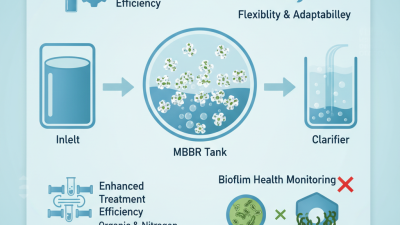
The MBBR (Moving Bed Biofilm Reactor) system is gaining traction in wastewater treatment. This technology enhances the biological treatment process by using a carrier media. The media provides a surface for microorganisms to thrive. In recent years, many facilities have adopted MBBR due to its efficiency. According to a 2023 report, the global MBBR market is projected to reach $3.5 billion by 2026, showcasing its growing importance.
MBBR systems can reduce the footprint of treatment plants. They require less space compared to traditional systems. This is important as urbanization increases. The ability to treat higher loads of pollutants makes MBBR attractive. However, challenges remain. Not all facilities can handle the switch smoothly. Some plants struggle with integrating MBBR into existing systems.
Tips: Proper monitoring is crucial for MBBR effectiveness. Regular analysis can prevent issues before they escalate. Additionally, pilot testing is recommended for facilities considering the switch. Understanding the local wastewater characteristics ensures the right approach. Continuous learning will enhance the success of MBBR applications.
Key Components and Technology of the MBBR System
The MBBR system, which stands for Moving Bed Biofilm Reactor, continues to evolve in wastewater treatment. In 2026, this technology showcases significant advancements. Key components include biofilm carriers, aeration systems, and control mechanisms. The biofilm carriers, often made from durable plastic, provide a large surface area for microbial growth. Studies indicate that nearly 70% of the operational costs are linked to aeration and mixing.
Optimization of aeration remains a challenge. For instance, inefficiencies can lead to lower treatment efficiencies or increased energy use. A recent report highlighted that systems utilizing fine-bubble aeration have achieved 30% better efficiency. However, the right balance between air supply and biofilm development is still a topic of ongoing research.
The control mechanisms in MBBR systems must adapt to varying loads. Advanced sensors and data analytics are being integrated to enhance monitoring. Yet, many facilities struggle with real-time data interpretation. Data from industry reports show that less than 40% of facilities fully utilize analytics to optimize their processes. Continued investment in smart technologies is essential for the future.
Future Developments and Innovations in MBBR Systems
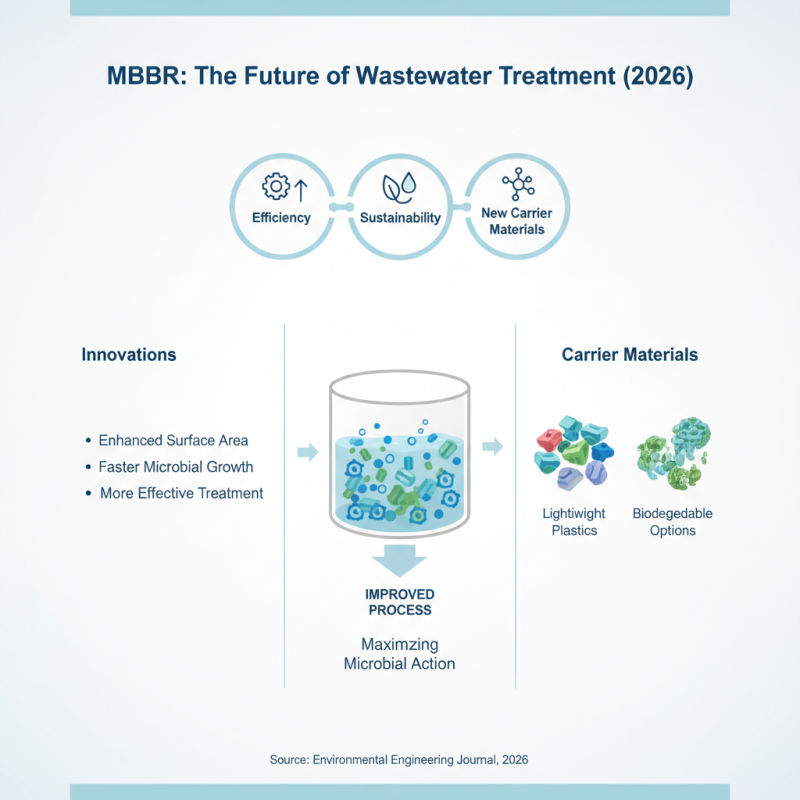
The Moving Bed Biofilm Reactor (MBBR) system for wastewater treatment is evolving swiftly. In 2026, innovations will focus on efficiency and sustainability. New materials for biofilm carriers could enhance the process. Lightweight plastics or biodegradable options may become common. These carriers help in maximizing surface area for microbial growth, paving the way for more effective treatments.
Another area of advancement is automation. Smart sensors will monitor water quality and system performance in real-time. This data could inform treatment adjustments to maintain optimal function. However, relying too heavily on technology might create challenges. Maintenance and troubleshooting could become complex. Operators must stay trained and prepared for unexpected issues.
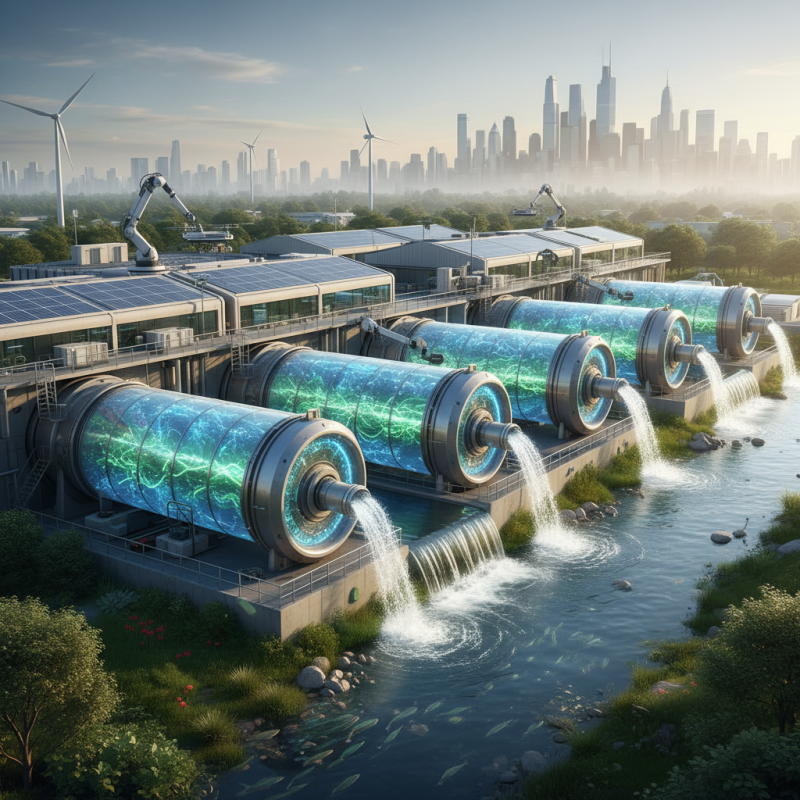
Finally, integration with renewable energy sources is gaining traction. Combining MBBR systems with solar or wind power can reduce operational costs. Yet, this requires careful planning. The direct impact on the system's efficiency is still uncertain. It’s crucial to evaluate these developments critically. Balancing innovation with practicality will be key to successful implementation.
Environmental Impact and Regulations in 2026 for MBBR Systems
The MBBR system, or Moving Bed Biofilm Reactor, is becoming increasingly essential in 2026 for wastewater treatment. This system utilizes biofilm carriers to enhance microbial growth. These carriers float in the reactor, effectively increasing the surface area for bacteria to thrive. As regulations tighten globally, the efficiency of MBBR systems in removing pollutants must be reevaluated.
In 2026, environmental impact assessments are crucial. More stringent regulations require facilities to monitor emissions closely. For MBBR systems, this means measuring chemical oxygen demand (COD) and nutrient levels regularly. Operators face challenges in ensuring compliance, given the variability of wastewater composition. Regular maintenance becomes essential, but it is often overlooked, leading to reduced efficiency.
The regulatory landscape is evolving, focusing on sustainability and eco-friendliness. Facilities must adopt innovative methods to meet these new standards. This shift could lead to an improved integration of technology and natural processes. However, many operators struggle with the associated costs and training needs. The path to effective compliance is fraught with challenges that require ongoing reflection and improvement.
What is the MBBR System For Wastewater Treatment in 2026?
This chart represents the projected environmental impact metrics associated with MBBR systems in wastewater treatment for the year 2026. The data reflects key performance indicators in various categories including Efficiency, Cost-Effectiveness, Sustainability, and Regulatory Compliance.

 +86 13600513715
 CONTACT NUMBER
 CONTACT NUMBER