 +86 13600513715
Leave Your Message
-
CONTACT NUMBER
-
 CONTACT NUMBER
-
 CONTACT NUMBER
For global buyers, choosing an Mbbr Filter manufacturer is not just a price comparison. It is a decision about treatment performance, operating stability, and support after delivery. Professor Hallvard Ødegaard, a leading researcher associated with the development of moving bed biofilm reactors, offers a useful perspective. A buyer-focused paraphrase of his published work is: “Reliable MBBR performance depends on matching carrier design, biofilm growth, and treatment conditions.” This is a paraphrase, not a verbatim quotation.
A dependable supplier should explain the carrier’s protected surface area, material, and expected service life in clear terms. Ask for test data, project references, and practical guidance on aeration, screening, and installation. Look closely at what the quoted system includes. A low price may exclude controls, commissioning, or replacement parts. Those details matter.
Not every manufacturer serves every market equally well. Some provide detailed engineering support; others focus on equipment supply. Check communication speed, documentation quality, shipping arrangements, and access to technical help. A factory photograph is not proof of consistent production. Request specifications that can be checked against your project requirements.
There is no perfect checklist. A supplier may answer confidently and still overlook a site-specific constraint. That is worth questioning. The sections ahead compare manufacturers through product capability, experience, support, and buyer considerations, helping readers ask better questions before making a commitment.
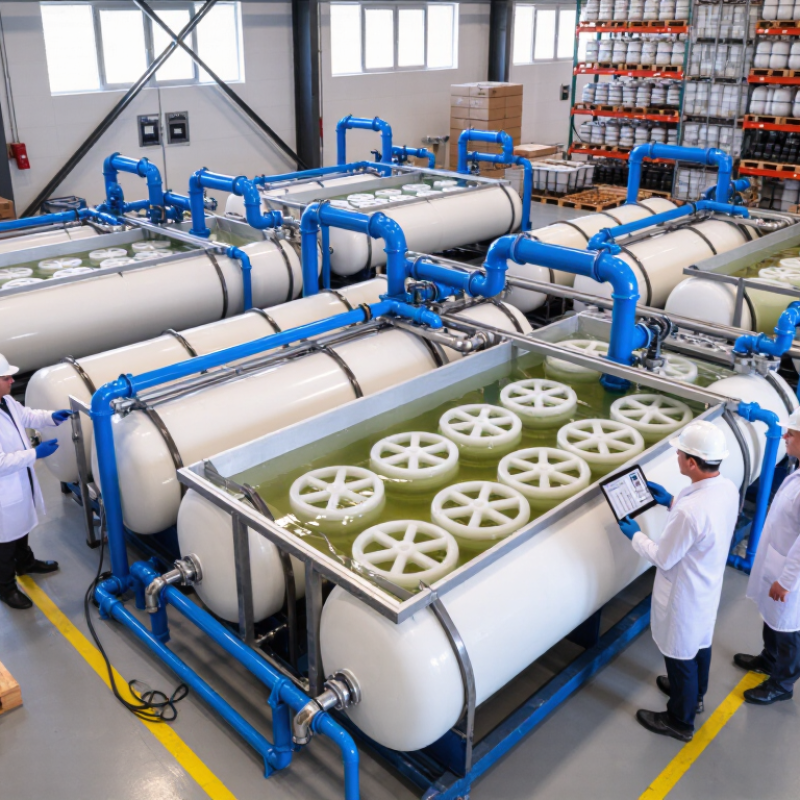
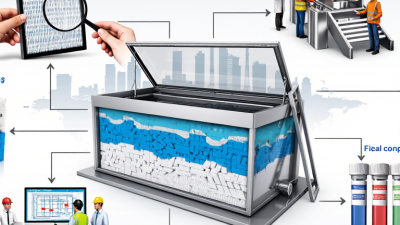
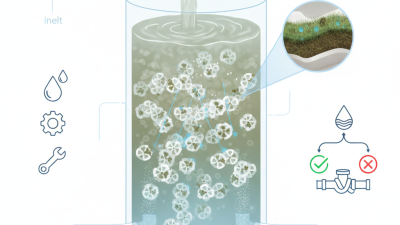
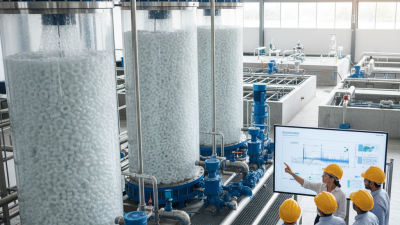
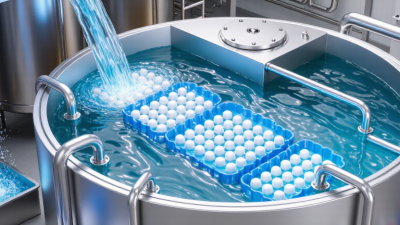
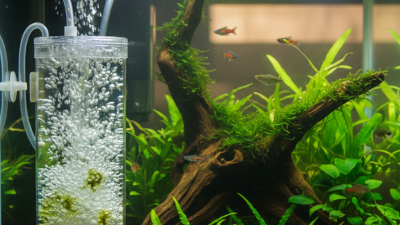
A moving bed biofilm reactor (MBBR) filter is a biological treatment unit, not a fine-particle strainer. Small carriers circulate inside a tank, held in place by retention screens. Microorganisms grow on their surfaces and break down organic pollutants; with suitable conditions, they can also convert ammonia. Aeration or mechanical mixing keeps the carriers moving and supplies oxygen. Details matter. Carrier fill, oxygen transfer, and mixing must suit the wastewater; adding more media alone does not guarantee cleaner effluent.
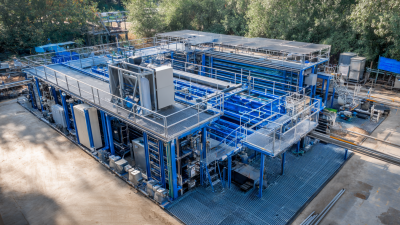
UN-Water’s 2024 SDG 6 progress report states that 42% of household wastewater was not safely treated in 2022. MBBR systems can help close treatment gaps where space is limited, serving as new treatment stages or upgrades to existing tanks. Their performance still depends on pretreatment, stable aeration, and screens that prevent carriers from escaping. Operators should watch for uneven media movement and changing effluent quality. Design decisions should use wastewater testing and operating data, not just a supplier’s stated surface-area figure. Biofilms can respond poorly to cold conditions or sudden load changes. Useful, but not foolproof.
A practical, brand-neutral guide to MBBR technology, typical design data, and supplier evaluation.
| Dimension | Typical Fact or Data | Role in Wastewater Treatment and Buyer Considerations |
|---|---|---|
| Meaning of MBBR | Moving Bed Biofilm Reactor. | Microorganisms grow as a biofilm on small carriers that move within the reactor, providing attached-growth biological treatment. |
| Common carrier materials | Carriers are commonly made from polyethylene, including HDPE; other polymer formulations are also used. | Ask for the resin and finished-media specifications, including chemical compatibility, durability, and operating-temperature limits. |
| Protected surface area | Commercial carrier products commonly report roughly 300–1,200 m² of protected surface area per m³ of media. Values depend on geometry and measurement method. | Compare protected area on the same measurement basis. A larger stated area alone does not establish treatment performance. |
| Media fill fraction | A commonly used design range is approximately 30–70% of reactor working volume, subject to reactor and carrier design. | Confirm the recommended fill limit and ensure the tank, mixing system, aeration, and retention screens are designed for the selected fraction. |
| Carrier movement | Carriers are kept in motion by aeration in aerobic zones or by mechanical mixing in anoxic and anaerobic zones. | Proper movement helps expose biofilm surfaces to wastewater and reduces media dead zones; mixing requirements depend on the process configuration. |
| Aerobic dissolved oxygen | Aerobic biological treatment commonly operates with dissolved oxygen around 2–4 mg/L, although the design target is process-specific. | Check that the proposed aeration system can supply oxygen for both biological demand and carrier movement under peak conditions. |
| Media-retention screens | Outlet screens or sieves retain carriers while allowing treated water to pass; opening size is selected to suit the carrier dimensions. | Review screen area, hydraulic capacity, fouling risk, access for cleaning, and compatibility with the selected media. |
| Primary treatment roles | MBBR systems can support carbon removal, nitrification, and, in suitable anoxic configurations, denitrification. | Confirm the required treatment objectives and whether separate aerobic, anoxic, or anaerobic zones are needed for the project. |
| Solids separation | Biofilm detaches naturally over time, so downstream clarification or another solids-separation step is generally required. | MBBR is a biological treatment process, not a complete solids-removal system; include downstream separation in the process design. |
| Process sizing | There is no single universal hydraulic retention time or media quantity suitable for every wastewater. | Require sizing based on influent flow and characteristics, temperature, target effluent, loading, and applicable local discharge requirements. |
| Supplier technical evaluation | Useful documentation includes media dimensions, protected surface-area method, material data, recommended fill fraction, and design guidance. | Request project references, test data relevant to the wastewater, installation requirements, warranty terms, and after-sales support for the destination market. |
Note: Numerical ranges are indicative industry values, not universal design standards. Final specifications should be verified against the wastewater characteristics, treatment targets, and supplier documentation.