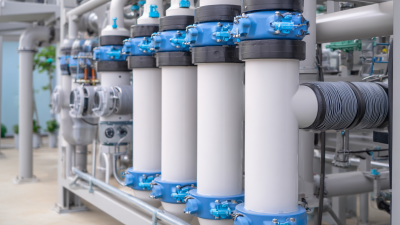
Top 10 Tips for Maximizing Efficiency in Mbbr Bioreactor Systems
In the realm of wastewater treatment, the Moving Bed Biofilm Reactor (MBBR) bioreactor systems have gained significant traction due to their efficiency and effectiveness in organic matter removal. As industries increasingly turn to MBBR bioreactors for their ecological advantages, understanding how to maximize their performance becomes paramount. This guide outlines the top ten tips for enhancing the efficiency of MBBR bioreactor systems, ensuring that operators can achieve optimal results while maintaining cost-effectiveness and sustainability.
An MBBR bioreactor utilizes a unique process that combines the benefits of suspended growth and biofilm technologies, allowing for improved treatment capabilities in a compact system. However, to fully harness the potential of these systems, careful attention must be paid to various operational factors, including aeration rates, inflow characteristics, and biomass management. By implementing strategic practices and optimizing system parameters, operators can enhance treatment efficiency, reduce operational costs, and improve overall system reliability.
This introduction serves as a foundation for discussing key strategies that can be employed in MBBR bioreactor systems. Whether you are a seasoned operator or new to this technology, the insights offered will equip you with the necessary tools to refine your processes and achieve superior wastewater treatment outcomes. Let us delve deeper into these essential tips for maximizing the efficiency of your MBBR bioreactor system.
Understanding the Basics of MBBR Bioreactor Systems
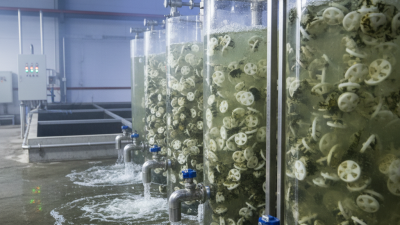
MBBR bioreactor systems, or Moving Bed Biofilm Reactors, have gained popularity in wastewater treatment owing to their efficiency and flexibility. The core concept behind MBBR technology involves the use of plastic media that provides a surface for biofilm growth, increasing the surface area available for microbial action. According to a report by the Environmental Protection Agency, MBBR systems can maintain a higher biomass concentration than traditional activated sludge systems, allowing for more effective treatment within a smaller footprint. This robustness makes MBBR systems particularly suitable for varying load scenarios, thus optimizing resource use in wastewater treatment facilities.
To maximize the efficiency of MBBR systems, one key tip is to maintain optimal hydraulic retention time (HRT), which can significantly impact microbial growth and overall treatment performance. A study published in the Journal of Environmental Engineering indicates that adjusting the HRT can enhance the removal rates of key parameters like BOD and ammonia. Another crucial factor is the aeration strategy; providing sufficient oxygen levels promotes the growth of aerobic microorganisms, which can lead to improved degradation of organic substances. Implementing real-time monitoring and control systems can further enhance operational efficiency by allowing for adaptive management based on real-time conditions.
Additional strategies to boost the performance of MBBR systems include regular media maintenance and monitoring of the biofilm thickness. Studies suggest that a biofilm that is too thick can hinder mass transfer, reducing overall efficiency. Therefore, proper management of biofilm development can promote optimal conditions within the reactor, ensuring that the system operates at its best. By focusing on these fundamental aspects, operators can significantly enhance the performance and longevity of MBBR bioreactor systems.
Key Factors Influencing Efficiency in MBBR Operations
In MBBR (Moving Bed Biofilm Reactor) operations, several key factors significantly influence efficiency. One of the primary elements is the design and configuration of the bioreactor itself.
An optimal arrangement ensures that the biofilm carriers are well suspended and adequately exposed to the wastewater, leading to enhanced microbial activity. The hydrodynamic conditions within the reactor, such as flow patterns and mixing rates, must be tailored to maintain uniform distribution of nutrients and oxygen, which are crucial for the growth of biomass.
Another critical factor is the selection of appropriate biofilm carriers. The material, surface area, and shape of the carriers play a pivotal role in determining the overall system performance.
Carriers with larger surface areas facilitate more significant microbial growth and improve the biochemical processes. Moreover, operational parameters such as temperature, pH, and retention time must be closely monitored and optimized to create an environment that fosters maximum microbial activity while minimizing potential toxic effects. By focusing on these aspects, MBBR systems can achieve heightened efficiency and reliable treatment outcomes.
Optimization Techniques for MBBR Process Performance
Optimization of MBBR process performance is crucial for enhancing the efficiency of Membrane Biofilm Reactor (MBBR) systems. One of the key techniques involves adjusting the hydraulic retention time (HRT) to ensure optimal biomass growth on the media. By fine-tuning the HRT, operators can promote the development of a robust biofilm, which significantly improves waste treatment efficiency. Additionally, monitoring and controlling the temperature and pH levels can create a favorable environment for microbial activity, thus enhancing the degradation of organic matter.
Another effective optimization technique focuses on the aeration process, which is vital for sustaining the aerobic microorganisms within the reactor. Proper aeration not only ensures adequate oxygen transfer but also helps in preventing the washout of biofilm. Implementing advanced aeration control systems can help maintain the desired dissolved oxygen levels, leading to improved metabolic rates of the microorganisms. Regular monitoring and adjustments based on real-time data can further enhance the MBBR system’s performance, ensuring prolonged operational stability and efficiency in treating wastewater.
Importance of Proper Aeration in MBBR Systems
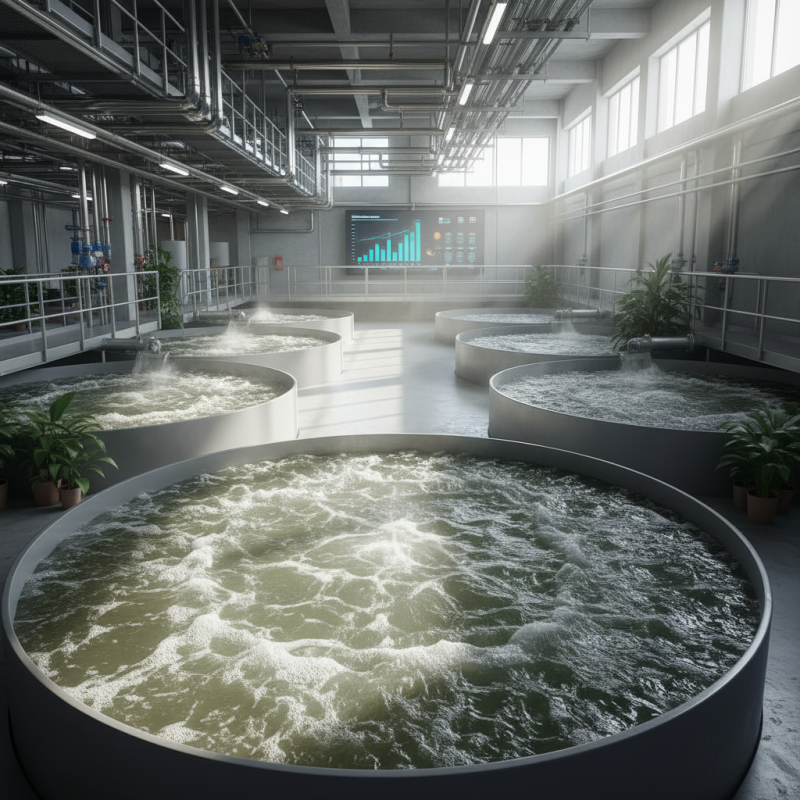
Proper aeration in Moving Bed Biofilm Reactor (MBBR) systems is crucial for achieving optimal performance and efficiency. The primary function of aeration in these systems is to supply the necessary oxygen that supports the biological processes involved in wastewater treatment. Adequate oxygen levels are essential for the microorganisms housed on the biofilm carriers to break down organic materials effectively. Insufficient aeration can lead to anoxic conditions, which not only slows down the metabolism of these microorganisms but can also result in the accumulation of undesired byproducts.
Furthermore, effective aeration promotes proper mixing and ensures that the biofilm is adequately exposed to the wastewater, facilitating uniform distribution of nutrients. This mixing action prevents dead zones within the reactor, where stagnant conditions could hinder biological activity and reduce the overall treatment efficiency. Therefore, maintaining optimal aeration not only enhances the growth and activity of the biofilm but also maximizes the removal rates of pollutants, which is vital for meeting regulatory standards and operational goals in wastewater treatment facilities.
Top 10 Tips for Maximizing Efficiency in MBBR Bioreactor Systems - Importance of Proper Aeration in MBBR Systems
| Tip No. |
Tip |
Description |
Impact on Efficiency |
| 1 |
Optimize Aeration |
Ensure proper air diffusion to maintain optimal oxygen levels. |
Enhances microbial activity, leading to higher treatment efficiency. |
| 2 |
Regular Maintenance |
Schedule routine checks on equipment and aeration systems. |
Prevents downtime and maintains consistent performance. |
| 3 |
Monitor Sludge Age |
Keep track of the retention time of biomass in the reactor. |
Optimizes nutrient uptake and treatment rates. |
| 4 |
Adjust Influent Quality |
Tailor pretreatment processes based on incoming wastewater characteristics. |
Increases treatment efficiency and system stability. |
| 5 |
Optimize Biocarrier Design |
Select biocarriers that enhance biofilm growth and stability. |
Promotes effective biomass retention and increases surface area for microbial growth. |
| 6 |
Control Temperature |
Maintain optimal operating temperatures for microbial activity. |
Enhances reaction rates and biomass production. |
| 7 |
Implement Automation |
Use automated control systems for aeration and mixing. |
Increases operational efficiency and reduces manual monitoring. |
| 8 |
Assess Hydraulic Loading |
Monitor and adjust hydraulic loading rates for optimal performance. |
Ensures balanced flow and prevents system overload. |
| 9 |
Train Staff |
Provide training on system operations and improvements. |
Enhances staff competence and system management. |
| 10 |
Evaluate Performance |
Regularly assess and report on system performance metrics. |
Facilitates timely adjustments and improvements. |
Regular Maintenance and Monitoring for Improved Efficiency
Regular maintenance and monitoring are critical components for enhancing efficiency in MBBR (Moving Bed Biofilm Reactor) systems. According to a study by the Water Environment Federation, the overall performance of bioreactor systems can improve by up to 30% through consistent inspection and maintenance. Effective monitoring involves tracking key parameters such as temperature, pH, dissolved oxygen, and nutrient levels. Implementing a regular schedule for these checks ensures that the biofilm growth is optimized, prevents clogging, and minimizes disruptions in the treatment process.
Moreover, data from the Journal of Environmental Engineering indicates that routine maintenance can lead to a significant reduction in operational costs, with facilities reporting savings of up to 20% annually. By addressing potential issues like biofilm detachment or substrate depletion early on, operators can maintain a stable and efficient bioprocess while extending the lifespan of the system. Consequently, an effective monitoring program not only enhances treatment efficiency but also contributes to the sustainability of the overall operation, making it a vital practice in the effective management of MBBR systems.

 +86 13600513715
 CONTACT NUMBER
 CONTACT NUMBER