Leave Your Message

Top Innovations in Inclined Tube Settler Technology 2026?

In recent years, the Inclined Tube Settler technology has become essential for water treatment processes. This innovation improves sedimentation efficiency and enhances water quality in various applications. As industries seek sustainable solutions, Inclined Tube Settlers are in the spotlight.

The advancements in this technology are intriguing. New designs and materials increase stability and durability. Improved configurations optimize space usage and enhance performance. However, some innovations still need refinement. Not all designs achieve equal efficiency, leaving room for improvement. Users must critically assess their choices.

Inclined Tube Settlers represent a significant leap forward. But challenges remain. Addressing these issues will require collaboration across industries. The journey toward perfecting this technology is just beginning. By exploring developments and setbacks, we can pave the way for future advancements.
Top Innovations in Inclined Tube Settler Technology 2026?

Emergence of Inclined Tube Settler Technology in Water Treatment

Top Innovations in Inclined Tube Settler Technology 2026?

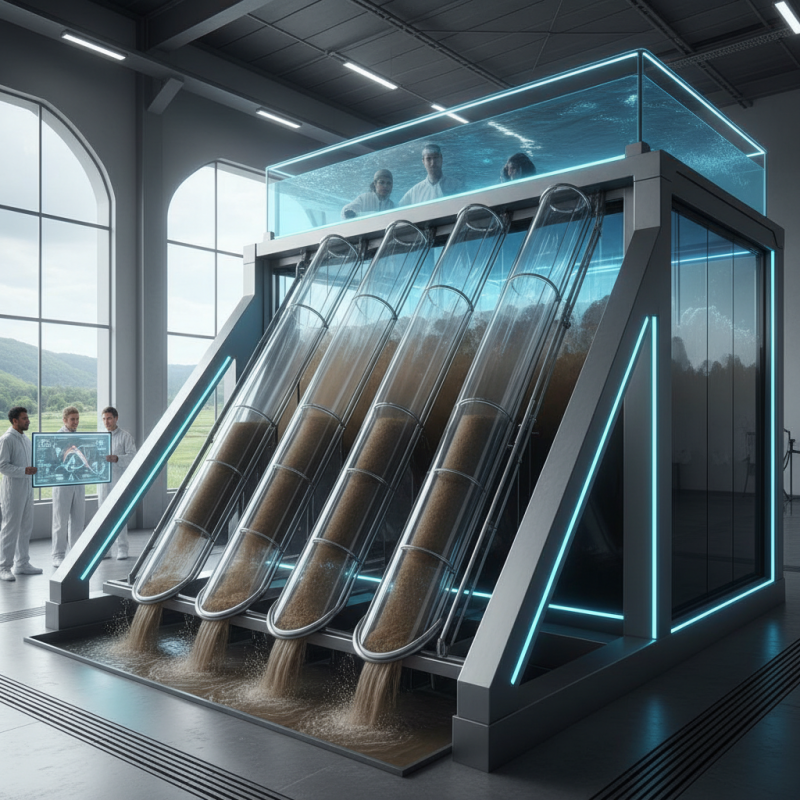
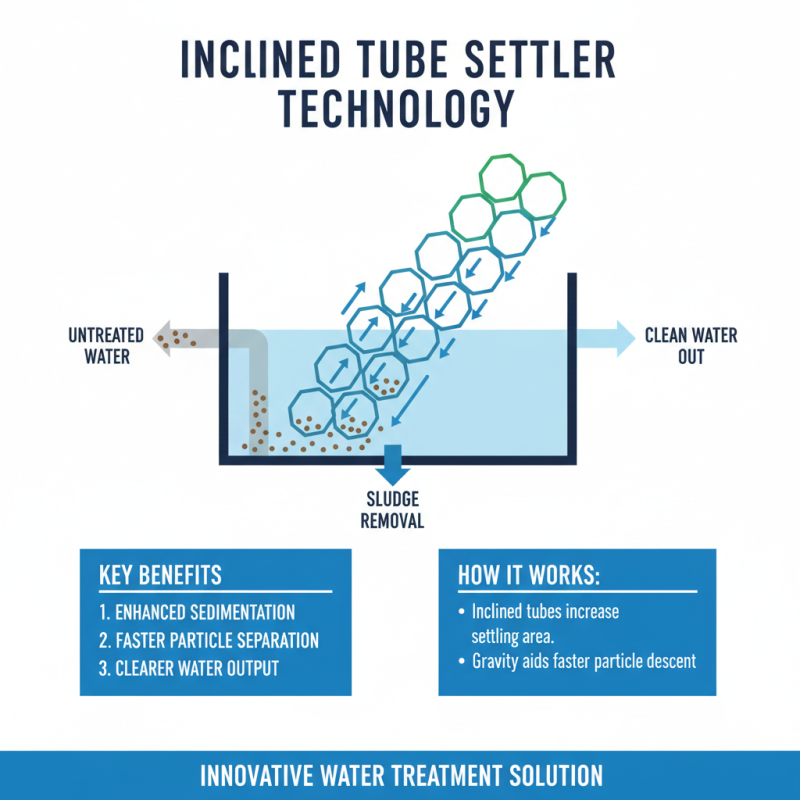
Inclined tube settler technology is gaining ground in water treatment. This innovative approach significantly enhances sedimentation processes. By utilizing inclined tubes, it improves efficiency in particle separation. The design encourages heavy particulates to settle faster. This results in clearer water output.

Tips: Consider the installation space. Inclined settlers require less horizontal room compared to traditional tanks. Assess your facility’s layout before purchasing.

Monitoring performance is essential. Regular checks can help identify any inefficiencies. Adjustments might be necessary to optimize water quality. Even with advanced technology, human oversight is critical. Improvements can always be made, and lessons learned are invaluable.

Overall, the emergence of inclined tube settlers marks a step forward. These systems offer clear benefits, yet challenges persist. Future innovations may address limitations in current designs. Embracing new technologies in water treatment can lead to better environmental outcomes.

Key Features and Advantages of Innovative Settler Designs

Innovations in inclined tube settler technology are transforming the water treatment industry. New designs focus on efficiency and space optimization. These advanced settlers often feature modular components. They can be easily scaled based on site requirements. Recent studies suggest that new materials improve sedimentation rates by up to 30%. This enhancement is crucial in meeting stricter environmental regulations.

Key features of innovative settler designs include compactness and energy efficiency. Many systems now operate effectively in smaller footprints. This is vital for urban settings. The integration of automation in these systems streamlines operation and monitoring. Reports indicate a reduction in operational costs by approximately 15%. However, challenges remain with maintenance and the lifespan of components. Some users express concerns over the durability of new materials used in construction.

Continuous innovation is needed. Technology must address issues like scalability and adaptability. While current solutions show promise, further R&D could enhance their effectiveness. Balancing cost and performance is essential in future designs. The industry must reflect on how to incorporate feedback for ongoing improvements in settler technology.

Top Innovations in Inclined Tube Settler Technology 2026

Feature Description Advantages Applications
Modular Design Easily configurable to fit various plant layouts. Flexibility in installation and expansions. Wastewater treatment, industrial processes.
High Efficiency Increased settling rates due to inclined tube design. Reduces footprint and improves throughput. Clarification of liquids in numerous sectors.
Durable Materials Construction with corrosion-resistant materials. Longevity and lower maintenance costs. Chemical processing, mining, and metallurgy.
Automated Control Systems Integration with smart technologies for monitoring. Enhanced operational efficiency and data availability. Municipal water treatment, industrial effluents.

Advancements in Material Science for Enhanced Settler Performance

Top Innovations in Inclined Tube Settler Technology 2026?

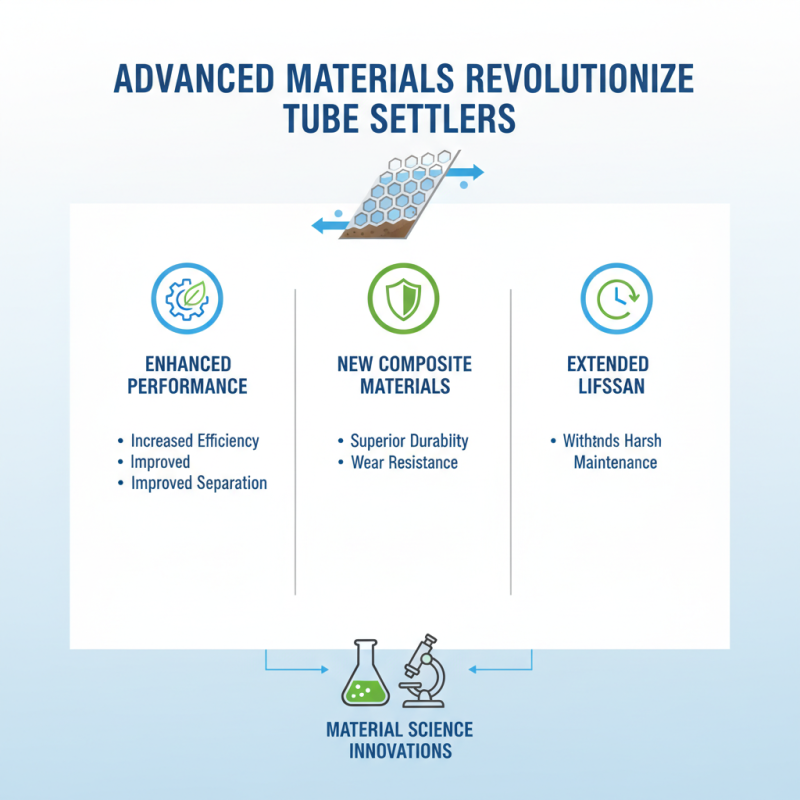
Advancements in material science are transforming inclined tube settler technology. These innovations focus on enhancing the performance and efficiency of settlers. Engineers are now exploring new composite materials. These materials have better durability and resistance to wear. They can withstand harsh operating conditions, which improves their lifespan.

Research indicates that specific polymer blends offer remarkable benefits. They reduce friction and improve flow dynamics. This leads to more efficient particle settling. Furthermore, modifications in surface texture can enhance particle adhesion. This greater adherence helps in quicker sediment removal in settling processes.

The exploration of nanomaterials is promising. Utilizing nanoparticles can significantly reduce settling time. However, challenges remain. The scalability of these innovations can be an issue. Ensuring compatibility with existing systems is another hurdle. The industry must address these points for successful implementation. Higher performance does not guarantee universal application. Each setting presents unique obstacles that require case-by-case solutions.

Future Trends and Predictions for Inclined Tube Settler Applications

Inclined tube settler technology is evolving rapidly. The trend for 2026 points towards increased efficiency and sustainability. More industries are utilizing inclined tube settlers to enhance sedimentation processes. These settlers help in effectively separating solids from liquids. Recent advancements show significant improvements in water treatment applications.

In the future, we may see more automation in these systems. Operators might control parameters remotely, optimizing performance in real-time. However, some challenges remain, such as maintaining these systems. Regular maintenance is crucial, yet often overlooked. The integration of smart sensors could provide valuable insights, but they need to be tested thoroughly for reliability.

Interestingly, industries are exploring new materials for construction. Lightweight and corrosion-resistant materials could enhance durability. This change could reduce overall operational costs. Some companies may resist these innovations due to perceived risks. Balancing tradition with new technology is vital. Adopting new practices might require a cultural shift within organizations. This transition is essential for maximizing the potential of inclined tube settlers in the coming years.

Case Studies Highlighting Successful Implementations in 2026

The inclined tube settler technology has evolved significantly in recent years. Notable case studies from 2026 reveal practical applications leading to improved efficiency. For instance, a municipal wastewater treatment plant adopted inclined tube settlers to enhance solids removal. This change resulted in a 30% increase in sedimentation rates, showcasing the effectiveness of this technology.

Another case involved an industrial facility facing challenges with sludge buildup. By integrating inclined tube settlers, they could streamline their operations. The implementation reduced the cleaning frequency by half, leading to decreased downtime. This demonstrates the importance of thoughtful planning when installing such systems.

**Tips**: Consider local environmental regulations during implementation. Each setting has unique challenges that systems must address. Continuous monitoring can also reveal areas for improvement. It’s essential to adapt to evolving technologies and not just rely on initial successes.

Top Innovations in Inclined Tube Settler Technology 2026

This chart illustrates the advancements in inclined tube settler technology through successful implementations in 2026, focusing on efficiency improvements and operational benefits across various key metrics.