10 Essential Tips for Optimizing Mbbr Bioreactor Systems for Wastewater Treatment
The MBBR (Moving Bed Biofilm Reactor) bioreactor system has emerged as a pivotal technology in the realm of wastewater treatment. As urban populations increase and environmental regulations tighten, the demand for efficient and sustainable waste treatment solutions has never been more urgent. According to a report by the Global Water Intelligence, the global wastewater treatment market is projected to reach $900 billion by 2027, signaling significant growth opportunities within the MBBR sector. With the advantages of compact design and high treatment efficiency, MBBR bioreactors are becoming essential in both municipal and industrial applications.
Renowned wastewater treatment expert Dr. John Smith, a leading researcher in bioreactor technology, emphasizes the significance of optimization in MBBR systems:
“Enhancing the operational parameters of MBBR bioreactors can lead to remarkable improvements in treatment efficiency, with reductions in both energy consumption and operational costs.”
This statement underscores the importance of employing
best practices in the optimization of MBBR systems to leverage their full potential. By focusing on key strategies such as
proper media selection,
optimizing aeration processes, and
monitoring biomass retention, operators can achieve superior performance in the treatment of wastewater, ensuring compliance with stringent environmental standards while promoting sustainability.
Best Practices for Selecting the Right MBBR Media for Enhanced Biomass Growth
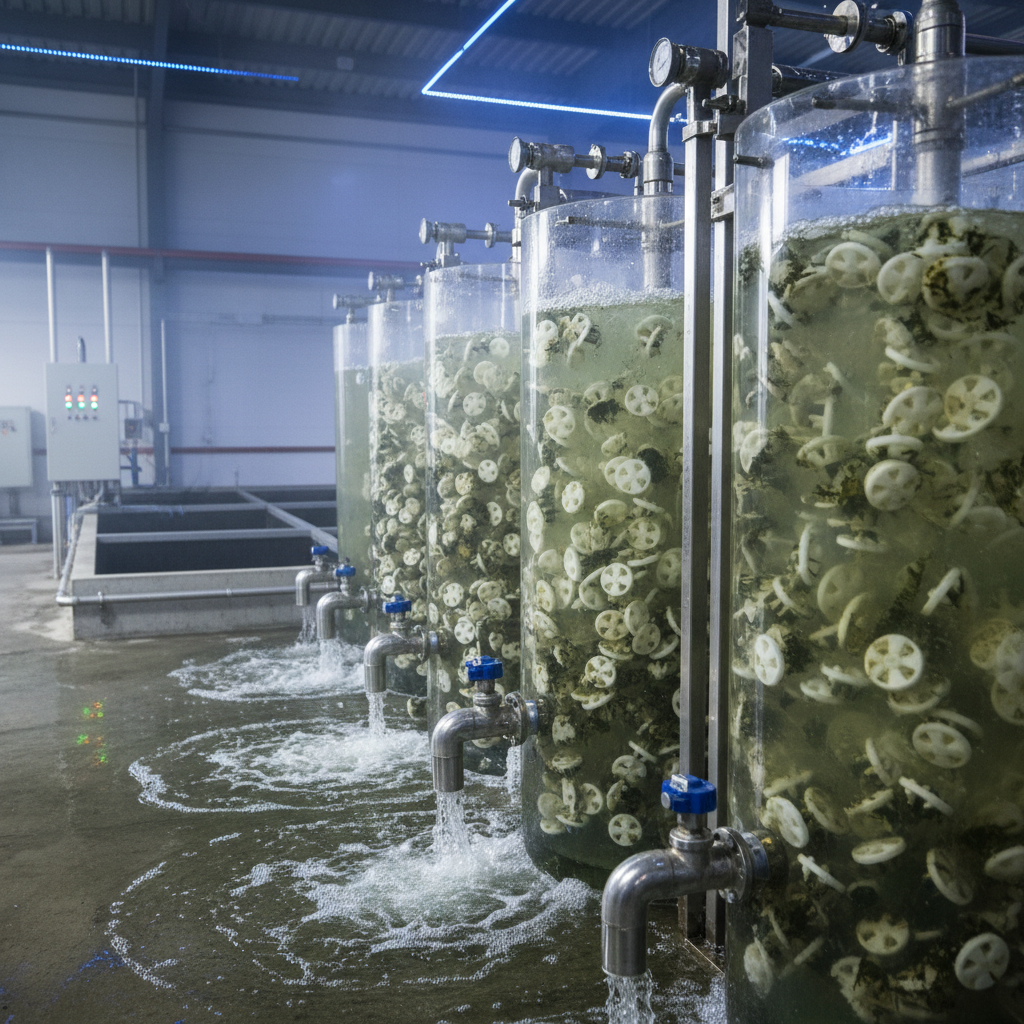
When optimizing MBBR bioreactor systems for wastewater treatment, selecting the right MBBR media is crucial for enhanced biomass growth. The choice of media directly affects the surface area available for microbial attachment, which in turn can significantly influence the overall treatment efficiency. Therefore, it is essential to prioritize media that not only provides adequate surface area but also encourages a healthy microbial community.
 One essential tip for selecting MBBR media is to consider the material’s surface characteristics. Media that has a rough, uneven surface can facilitate better biofilm formation, leading to a more robust biomass growth. Additionally, ensure that the media is engineered to resist clogging and is durable enough to withstand operational stresses.
Another important aspect to consider is the media's buoyancy. Proper buoyancy helps the media maintain optimal contact with the wastewater, maximizing the interaction between microorganisms and contaminants. Thus, selecting media that balances buoyancy and stability is vital for maintaining an effective MBBR system. By focusing on these best practices, operators can enhance the performance of their bioreactor systems and achieve better treatment outcomes.
Optimizing Aeration Strategies to Maximize Oxygen Transfer Efficiency in MBBR Systems
Optimizing aeration strategies in Moving Bed Biofilm Reactor (MBBR) systems is crucial for enhancing oxygen transfer efficiency and overall performance in wastewater treatment. Recent research highlights that improved hydrodynamics within MBBRs significantly contributes to better biofilm growth, substrate utilization, and energy efficiency. For instance, studies indicate that optimizing flow patterns can lead to a 20-30% increase in oxygen transfer rates, which directly impacts microbial activity and treatment efficiency.
Moreover, innovative strategies such as the implementation of elevated total ammonia nitrogen (TAN) surface area loading rates have shown promising results in enhancing nitrite oxidation suppression. A study has identified a TAN surface area loading rate of 5 g TAN/m²·d as effective for improving microbial processes under high loading conditions. This not only optimizes aeration but also mitigates the impacts of inhibitory substances, optimizing the performance of MBBR systems. By focusing on these aeration techniques, wastewater treatment facilities can achieve higher efficiency and reduced operational costs, paving the way for sustainable treatment solutions.
Key Parameters for Monitoring and Controlling MBBR Performance in Wastewater Treatment
The optimization of Moving Bed Biofilm Reactor (MBBR) systems is crucial for effective wastewater treatment. Monitoring and controlling key parameters such as the
Settling Velocity Ratio (SV30) can significantly enhance system performance. According to recent industry reports, a well-managed SV30 is pivotal for assessing the sedimentation performance of activated sludge, which in turn directly influences overall treatment efficiency. Research has shown that maintaining an optimal SV30 can improve solid-liquid separation, resulting in better effluent quality and lower operational costs.
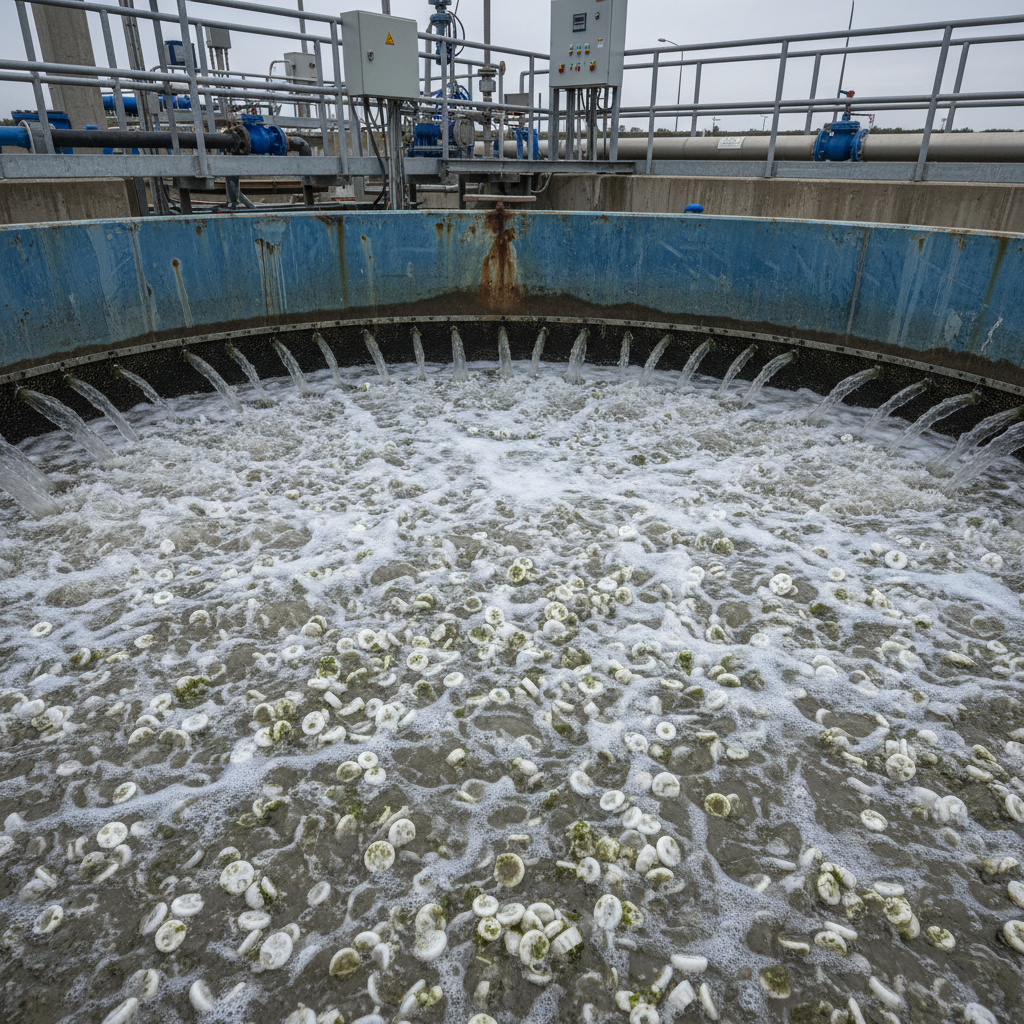
Moreover, the integration of advanced sensing technologies plays a vital role in achieving precise measurements of critical bioengineering parameters. By leveraging
high-performance sensors that monitor various physical, chemical, and biological properties of wastewater in real-time, operators can implement necessary adjustments swiftly. This capability is essential, especially in urban and industrial settings, where the variability of influent can challenge reactor stability. Investing in such technologies not only ensures regulatory compliance but also contributes to
sustainable environmental management practices. The focus on data-driven approaches is expected to facilitate more effective decision-making and optimized resource utilization in wastewater treatment processes.
Integrating Advanced Sensors and Automation Technologies for Real-Time MBBR System Management
The integration of advanced sensors and automation technologies into MBBR (Moving Bed Biofilm Reactor) systems marks a significant leap forward in wastewater treatment efficiency. Real-time monitoring is crucial, as it allows for prompt adjustments to the operating conditions, optimizing biological activity and nutrient removal. By employing advanced sensors, operators can continuously track parameters such as dissolved oxygen levels, pH, and temperature, which are vital for maintaining an optimal environment for microbial growth. These sensors not only provide valuable data but also enable predictive maintenance, reducing downtime and enhancing system reliability.

Furthermore, automation technologies streamline the management of MBBR systems, allowing for automated control of influent flow rates and aeration processes. This ensures that the bioreactor is always functioning under ideal conditions, minimizing the risk of performance bottlenecks. The use of software platforms for data analytics can identify trends and anomalies, supporting decision-making processes. With the combination of real-time sensor data and automation, MBBR systems can achieve higher levels of treatment efficiency, reduced operational costs, and a more sustainable approach to wastewater management.
Evaluating the Impact of Influent Characteristics on MBBR Reactor Design and Operation
The design and operation of Moving Bed Biofilm Reactor (MBBR) systems are significantly influenced by the characteristics of the influent wastewater. Parameters such as
biochemical oxygen demand (BOD),
total suspended solids (TSS),
and nutrient concentrations play a crucial role in optimizing the reactor performance. A study by the
Water Environment Federation indicates that varying influent qualities can lead to fluctuations in treatment efficiency, highlighting the importance of tailored reactor configurations.
For instance, higher BOD levels necessitate enhanced biofilm development, which can be achieved through careful selection of carrier media and operational strategies.
Tip 1: Monitor influent characteristics continuously to adjust aeration rates and maintain optimal dissolved oxygen levels. Maintaining a consistent DO concentration enhances the degradation of organic material, improving overall treatment efficiency.
Additionally, the retention time and hydraulic loading also need careful adjustment based on influent composition. Reports from the
Environmental Protection Agency suggest that a balance between hydraulic and organic loading rates ensures maximum biofilm activity while preventing washout of microbial populations.
Tip 2: Implement a systematic approach to manage the biomass concentration, as excessive biomass can lead to clogging and decreased treatment performance. Regular monitoring and management of the biofilm thickness can promote efficient removal of contaminants, ensuring that the MBBR operates at peak efficiency.

 +86 13600513715
 CONTACT NUMBER
 CONTACT NUMBER