10 Essential Tips for Choosing the Right Aeration Diffuser?
In the world of wastewater treatment, the role of an Aeration Diffuser can’t be overstated. According to a recent report from the Water Environment Federation, effective aeration can boost treatment efficiency by up to 30%. Choosing the right diffuser isn’t just a technical decision; it reflects a commitment to optimal system performance and sustainability. With numerous options available, understanding the features that enhance diffusion efficiency is crucial.
Many operators overlook critical factors during the selection process. Ratings vary significantly based on technology and design. A poorly chosen Aeration Diffuser can lead to inconsistent oxygen transfer rates, negatively impacting the entire treatment system. For example, using a diffuser with inadequate bubble size may compromise the dissolved oxygen levels crucial for microbial activity.
Moreover, the selection process should consider long-term operational costs and maintenance. According to industry studies, 70% of aeration-related expenses arise from energy consumption. Therefore, understanding the correlation between diffuser type and energy efficiency can lead to cost-effective decisions. Ultimately, a thoughtful approach to selecting an Aeration Diffuser can yield significant benefits.
Understanding the Importance of Aeration Diffusers in Water Systems
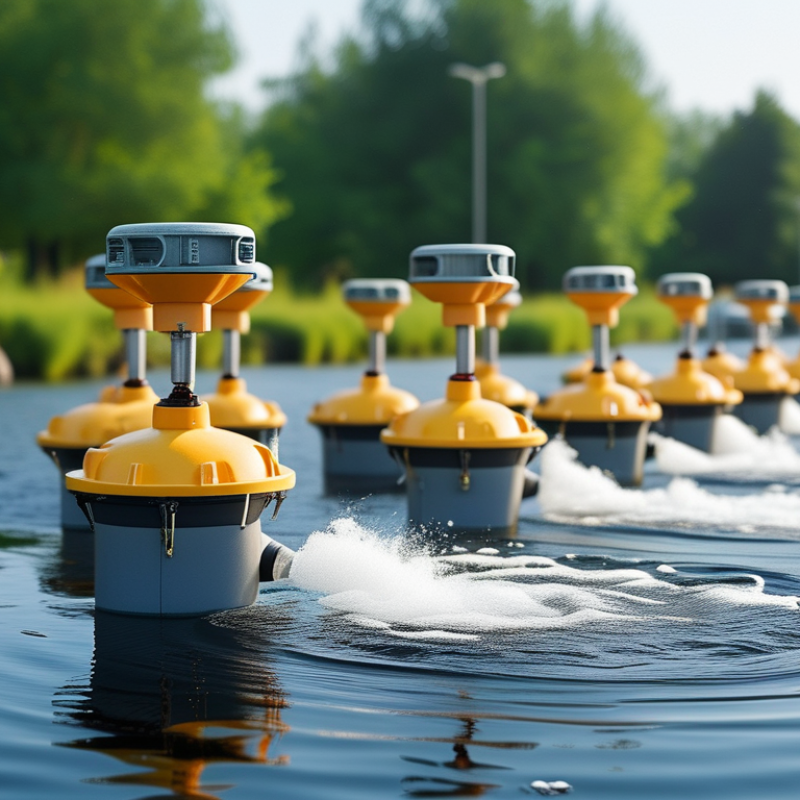
Aeration diffusers play a vital role in water systems. They introduce air into the water, which boosts oxygen levels. This is especially important for aquatic life. Without enough oxygen, fish and plants struggle to survive.
Proper aeration supports the natural balance in ponds, lakes, and wastewater treatment facilities.
Choosing the right diffuser can be challenging. Not all diffusers are equally effective. Factors like water depth and flow patterns matter. A poorly selected diffuser can lead to uneven aeration. This may result in areas of stagnant water, which can degrade overall water quality. Observing the system in action can reveal shortcomings. Sometimes, adjustments are necessary to achieve optimal performance.
Trusting expert guidance is crucial when selecting a diffuser. Understanding manufacturer specifications can help. However, hands-on experience often provides the best insights. Engage with users who have tested different options. Their practical knowledge can illuminate the choices available. Reliable information coupled with real-world scenarios will enhance your decision-making process.
Key Types of Aeration Diffusers and Their Applications
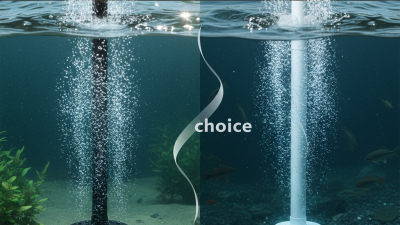
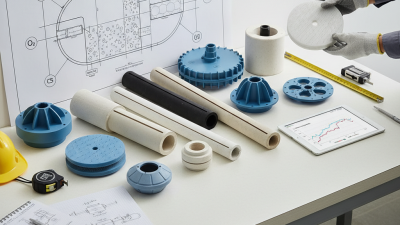
Choosing the right aeration diffuser involves understanding the various types and their specific applications. Diffusers come in different forms, each suited to unique environments. Membrane diffusers are popular for their efficiency. They disperse fine bubbles, promoting better oxygen transfer in wastewater treatment. This gentle aeration minimizes disturbance to the ecosystem while enhancing microbial growth.
On the other hand, tube diffusers provide a broader bubble size but may not achieve the same oxygen transfer rates. These work well in large ponds or lagoons where operational simplicity is key. Plate diffusers are ideal for compact systems, fitting into tight spaces while distributing air evenly. However, they can be harder to clean, leading to maintenance challenges.
Understanding the nuances of each type helps in making informed decisions. Your choice should align with factors like water depth, desired oxygen levels, and the specific application environment. Reflect on the trade-offs involved, as the most efficient option may not always be the easiest to maintain. Aeration is a critical process; selecting the right diffuser can greatly impact overall system performance.
Factors to Consider When Selecting an Aeration Diffuser
Choosing the right aeration diffuser is crucial for effective water treatment. When selecting a diffuser, consider the type of system you are using. Some systems work best with fine bubble diffusers, while others require coarse bubbles. Understanding your water quality and flow rate is key. It impacts the choice of materials and design.
Evaluate the operational efficiency of the diffuser. Look for air distribution capabilities. This directly affects performance and energy use. Some diffusers may have higher initial costs but lower energy consumption over time. Assess maintenance needs as well. Some designs are easier to clean, which can save time and labor costs in the long run.
Lastly, always review product specifications and user feedback. Reliability is paramount. Look for data on lifespan and performance under various conditions. It’s essential to seek information from experts in the field. This can guide you to make informed decisions, enhancing your water treatment process. The right choice can lead to improved outcomes and cost savings.
10 Essential Tips for Choosing the Right Aeration Diffuser
| Factor |
Description |
Importance Level |
| Material |
Consider materials that are resistant to corrosion and wear. |
High |
| Type of Aeration |
Select between fine bubble and coarse bubble diffusers based on needs. |
Medium |
| Flow Rate |
Ensure the diffuser can handle the required flow rates for your system. |
High |
| Maintenance |
Evaluate the ease of cleaning and maintaining the diffuser. |
Medium |
| Installation |
Consider if the installation process is straightforward and efficient. |
High |
| Energy Efficiency |
Opt for diffusers that minimize energy consumption. |
High |
| Sizing |
Ensure the size is suitable for the application to avoid inefficiencies. |
Medium |
| Application |
Match the diffuser to the specific application requirements you have. |
High |
| Cost |
Evaluate the total cost of ownership, including purchase and maintenance costs. |
Medium |
Evaluating Material Durability and Maintenance Needs of Diffusers
Choosing the right aeration diffuser involves more than just functionality. Analyzing the material's durability is crucial. Different materials, such as stainless steel or plastic, offer unique benefits and drawbacks. Stainless steel resists corrosion, yet it can be heavier and more expensive. Plastic is lightweight and cost-effective but may wear out faster.
Maintenance needs are another vital factor. Some diffusers require frequent cleaning, while others are more self-sustaining. A diffuser that clogs easily can lead to operational issues. Regular checking can prevent buildup and ensure efficient performance.
Consider your specific usage environment when evaluating durability and maintenance. Highly corrosive environments will demand robust materials. If you overlook these factors, your diffuser system may fail prematurely. Have you thought about the long-term costs? Often, cheaper materials lead to higher maintenance expenses. Balance immediate needs with future implications for the best results.
Assessing Performance Metrics: Airflow Rates and Bubble Size
When choosing an aeration diffuser, assessing performance metrics like airflow rates and bubble size is crucial. Airflow rate indicates how much air the diffuser can deliver into the water. A higher airflow rate can lead to better oxygen distribution. However, too high of a rate may create large bubbles that rise more quickly, reducing contact time with water.
Bubble size plays an equally important role. Smaller bubbles increase surface area, enhancing oxygen transfer efficiency. They linger longer in the water column, allowing for optimal absorption. The ideal bubble size often varies depending on the specific application, such as aquaculture or wastewater treatment. Testing different configurations may reveal surprising results.
Evaluating these metrics requires careful consideration and sometimes trial and error. Relying solely on recommendations can be misleading. It's valuable to reflect on your unique situation. Take into account water temperature, depth, and specific environmental factors. Each setup is different, and a one-size-fits-all approach might not yield the best results.
10 Essential Tips for Choosing the Right Aeration Diffuser

 +86 13600513715
 CONTACT NUMBER
 CONTACT NUMBER