The Ultimate Guide to Drum Filter Aquaculture Benefits and Best Practices
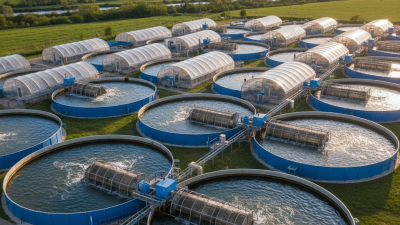
In recent years, Drum Filter Aquaculture has emerged as a revolutionary method for enhancing fish farming efficiency and sustainability. According to a report by the North American Journal of Aquaculture, innovative filtration systems can significantly reduce waste discharge, improve water quality, and increase overall yield. With the global aquaculture market projected to reach $401 billion by 2026, the adoption of advanced technologies such as drum filters becomes crucial for meeting the rising demand for sustainable seafood while minimizing environmental impact.
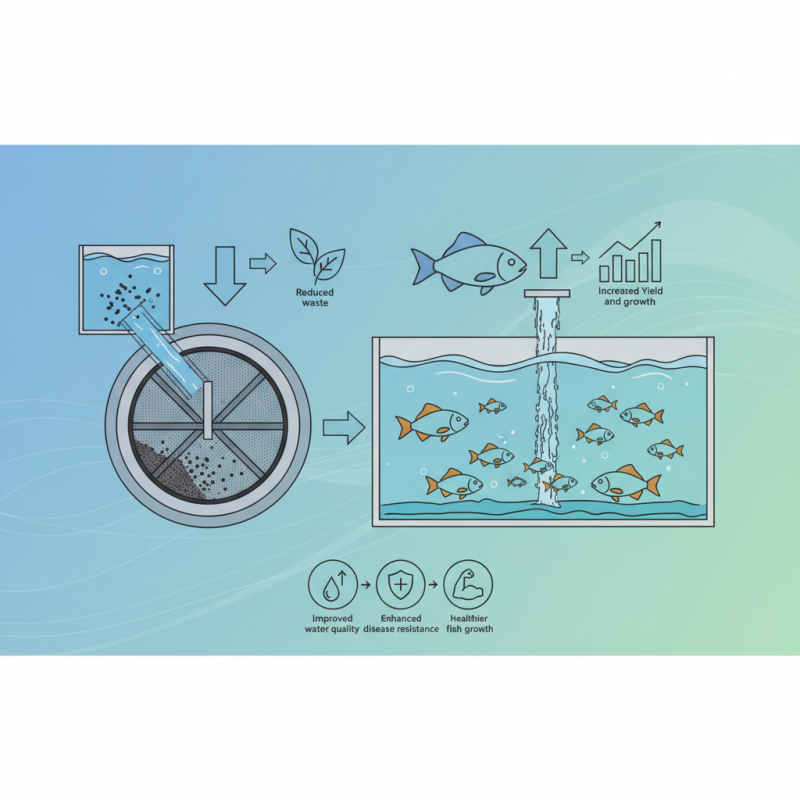
The implementation of Drum Filter Aquaculture not only streamlines the management of water quality but also contributes to healthier aquatic ecosystems. A study published in Aquaculture Research highlighted that drum filters can remove up to 90% of suspended solids, offering superior filtration compared to traditional systems. This not only supports better fish growth rates but also enhances disease resistance among aquatic species, leading to improved production outcomes. As the aquaculture industry continues to grow, understanding the benefits and best practices associated with Drum Filter Aquaculture will be essential for producers seeking to improve efficiency and sustainability in their operations.
Understanding Drum Filters: How They Work in Aquaculture
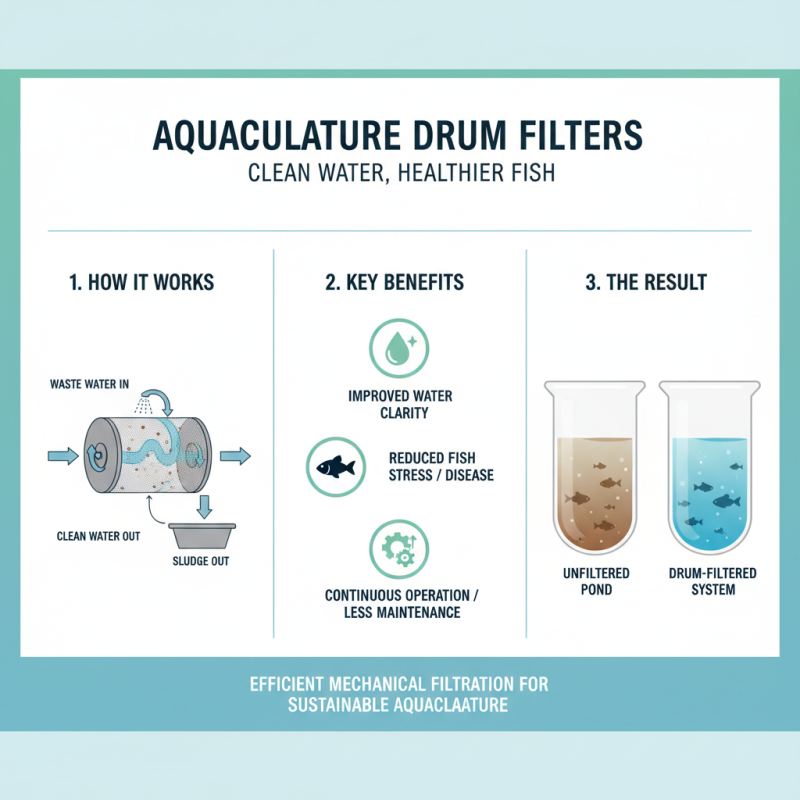
Drum filters play a crucial role in maintaining water quality in aquaculture systems. These mechanical filtration units utilize a rotating drum covered with a mesh screen to remove solid waste from the water. As water enters the drum, it passes through the mesh, allowing particulate matter to be trapped while clean water flows out. This process not only enhances water clarity but also reduces harmful substances that could affect fish health. The design of drum filters allows for continuous operation, which means they can handle high volumes of water without frequent maintenance.
Tips: For optimal performance, regularly check the mesh screen for clogs and clean it as needed. Also, consider the flow rate of your aquaculture system to ensure that the drum filter is adequately sized for your setup. This will help prevent overloading the filter and improve its efficiency.
Another advantage of drum filters is their ability to automate the cleaning process. Many models come equipped with a backwash feature, which removes accumulated waste without manual intervention. By maintaining a clean filter, you can promote better aquatic health and reduce overall operational costs related to water treatment.
Tips: To maximize the benefits, monitor the water quality parameters frequently and make adjustments to your filtration system as circumstances change. Proper calibration of your drum filter can lead to significant improvements in fish growth and system sustainability.
Key Benefits of Using Drum Filters in Aquaculture Systems
Drum filters have gained significant traction in aquaculture systems due to their effectiveness in maintaining water quality and promoting fish health. One of the key benefits of employing drum filters is their capacity to remove large quantities of solid waste and particulate matter from the water, which is crucial for minimizing the buildup of harmful substances. According to a report by the World Aquaculture Society, optimized water filtration can lead to a reduction in feed conversion ratios by up to 15%, ultimately improving growth rates and farm productivity. These efficiencies are essential for aquaculture operations seeking to maximize yield while keeping environmental impacts to a minimum.
Additionally, drum filters provide a level of self-cleaning that enhances their practicality in aquaculture setups. With their automated backwashing feature, drum filters ensure consistent water flow without manual intervention, significantly reducing labor costs and downtime. Data from Aquaculture Research highlights that systems utilizing drum filters experience up to a 50% decrease in maintenance time compared to traditional filtration methods. This efficiency not only helps in sustaining optimal living conditions for aquatic species but also improves the overall sustainability of aquaculture practices by reducing water usage and enhancing biosecurity measures against disease proliferation. The integration of drum filters in aquaculture therefore represents a forward-thinking approach to modern fish farming.
Best Practices for Setting Up Drum Filter Systems
When setting up drum filter systems for aquaculture, the first step is to assess the specific needs of your operation. Factors such as water flow rate, desired filtration efficiency, and the type of aquaculture species being cultivated must be considered. A properly sized drum filter can significantly enhance water clarity and quality, which are vital for the health and growth of aquatic organisms. Calculating the appropriate dimensions and specifications based on your system’s capacity is crucial to achieving optimal performance.
Another important practice is the location and installation of the drum filter system. It should be positioned to ensure maximum efficiency, typically close to the water source and integrated seamlessly into the overall water management system. Ensuring that the drum filter is easily accessible for maintenance will help prolong its lifespan and effectiveness. Additionally, regular monitoring of the filtration process, including checking for blockages and wear, will help maintain consistent water quality. Choosing the right materials for components that come into contact with water can prevent contamination and enhance durability, contributing to a more sustainable aquaculture environment.
The Ultimate Guide to Drum Filter Aquaculture Benefits and Best Practices
| Benefit |
Description |
Best Practice |
Notes |
| Improved Water Quality |
Drum filters efficiently remove solid waste, enhancing water clarity and reducing toxins. |
Regular maintenance and cleaning of the filter. |
Monitor water parameters closely after filter installation. |
| Energy Efficiency |
Modern drum filters consume less energy compared to traditional systems. |
Choose energy-efficient models and optimize pump settings. |
Consider integrating renewable energy sources. |
| Enhanced Biofiltration |
Provides a large surface area for beneficial bacteria to thrive. |
Incorporate bio-media within the system. |
Test for ammonia and nitrate levels regularly. |
| Labor Saving |
Automated cleaning reduces the need for manual labor. |
Set appropriate cleaning schedules based on fish load. |
Ensure the alarm systems are functional to prevent failures. |
| Versatility |
Can be used in various aquaculture settings, from small farms to large facilities. |
Assess the specific needs of the aquaculture operation. |
Evaluate filter capacity and design based on species cultivated. |
Maintenance and Troubleshooting for Drum Filters in Aquaculture
Maintaining drum filters in aquaculture systems is essential for ensuring optimal water quality and overall system efficiency. Regular maintenance activities should include cleaning the filter screen, inspecting the filter drum for wear and tear, and checking the alignment of the drum within the housing. Clogged screens can lead to reduced water flow, which negatively affects both fish health and system performance. By routinely cleaning the screen and monitoring its condition, operators can prevent costly disruptions to their aquaculture operations.
Troubleshooting common issues with drum filters is crucial for seamless aquaculture management. If the water flow appears reduced or the filtration efficiency drops, it may indicate a blockage or a malfunction in the filter's motor. It's advisable to inspect the motor for any irregular sounds or vibrations, as these could signal the need for repair or replacement. Additionally, monitoring the system's parameters, such as flow rate and pressure, provides insight into the filter's performance. Addressing these issues promptly not only prolongs the life of the equipment but also enhances the overall productivity of the aquaculture system.
Case Studies: Successful Drum Filter Aquaculture Operations
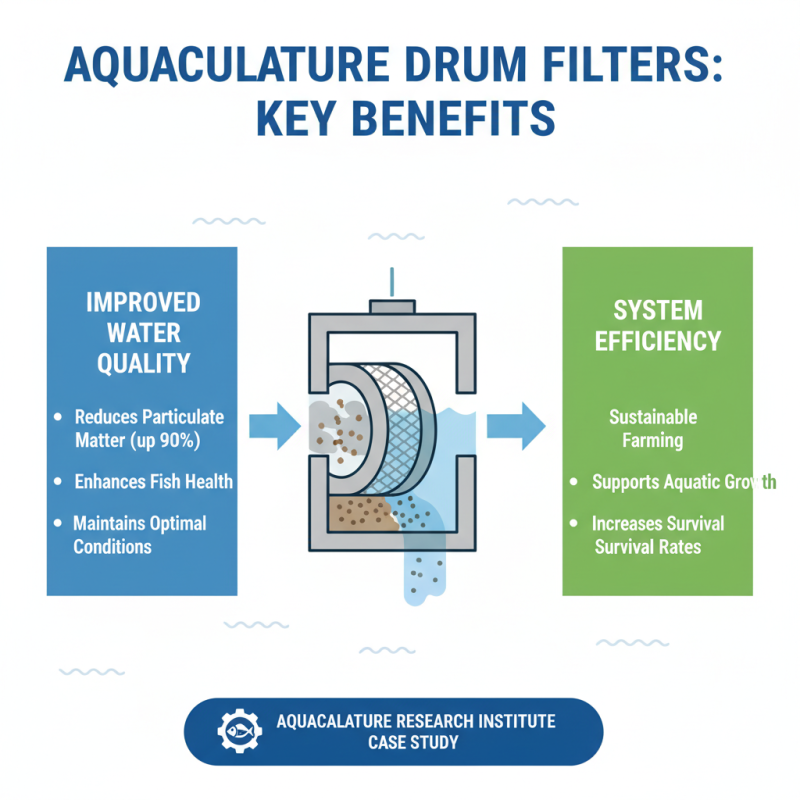
In the realm of aquaculture, drum filters have emerged as a key component for successful operations, showcasing significant benefits in water quality management and overall system efficiency. A case study conducted by the Aquaculture Research Institute demonstrated that drum filters can reduce particulate matter in recirculating aquaculture systems by up to 90%, which not only enhances fish health but also promotes a more sustainable farming approach. This dramatic reduction in solids helps maintain optimal water conditions, crucial for the growth and survival of aquatic species.
Another notable success story comes from a farm in the Pacific Northwest, which utilized drum filtration to enhance their production of tilapia. The implementation of these systems allowed the operation to increase its stocking density by 25% without compromising water quality. According to a report from the National Oceanic and Atmospheric Administration (NOAA), with improved filtration, the farm reported a 15% reduction in feed conversion ratios, demonstrating significant economic benefits. Such case studies underline the transformative impact of drum filter technology in aquaculture, presenting a solid argument for its wider adoption in the industry.

 +86 13600513715
 CONTACT NUMBER
 CONTACT NUMBER