How to Choose the Right MBBR Filter for Your Needs?
Choosing the right MBBR filter is crucial for efficient wastewater treatment. Dr. Emily Larson, a renowned expert in environmental engineering, once said, "Selecting the appropriate MBBR filter can enhance treatment efficiency dramatically." This highlights the importance of making informed decisions.
Many factors influence the choice of an MBBR filter. These include the type of wastewater, flow rate, and treatment goals. One must consider specific needs before making a purchase. Without proper research, you might end up with an ill-suited filter.
The diversity of MBBR filters can be overwhelming. Each design offers unique benefits. Therefore, it is vital to reflect on your requirements carefully. Even small mistakes in this area can lead to significant issues in treatment performance. Understanding how these filters work will aid in selecting the right one for your project.
Understanding MBBR Technology and Its Applications
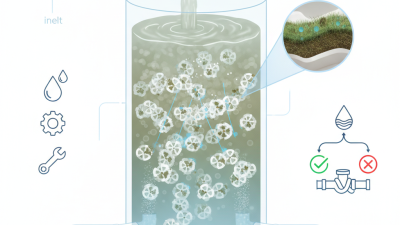
MBBR technology, or Moving Bed Biofilm Reactor, is gaining popularity in wastewater treatment. Its efficiency stems from combining suspended growth and attached growth processes. According to a report by the Water Environment Federation, MBBR systems can achieve up to 90% nitrogen removal, significantly improving effluent quality.
In applications such as municipal wastewater treatment, MBBR offers flexibility. It's suitable for various flow rates and can be easily expanded. Yet, some installations may face challenges. Inadequate maintenance can lead to biofilm sloughing. Regular monitoring is crucial to maintain effectiveness. Research from the International Water Association shows that 15% of MBBR systems experience performance issues due to biofouling.
Comparing MBBR to traditional methods, it can be more compact and requires less space. This is attractive for areas with limited land. However, initial costs can deter some projects. Understanding your specific needs is vital before choosing an MBBR system. Not all setups are created equally. Careful evaluation of flow dynamics and treatment goals is essential for optimal performance.
Factors to Consider When Selecting an MBBR Filter
When selecting an MBBR filter, the first factor to consider is the specific application. Different industries have varied requirements. For wastewater treatment, flow rates and contaminant types play a crucial role. Understanding your unique needs helps narrow down options.
Another important aspect is the size and shape of the filter. MBBR filters come in different designs. A well-chosen size ensures optimal performance. However, a filter that is too large can lead to issues like increased cost and maintenance challenges. It’s vital to balance these aspects during your selection.
Finally, the material of the filter media matters significantly. Various materials offer different levels of resistance and longevity. Some may provide better biofilm development, while others may not. Reflecting on your long-term goals can guide this choice. Each filter has its pros and cons. It requires careful thought and adjustment based on your needs.
How to Choose the Right MBBR Filter for Your Needs?
Comparing Different Types of MBBR Filters on the Market
When selecting an MBBR filter, it's essential to compare the various types available on the market. Different filters come with unique features and benefits suited for specific applications. Some filters are designed for municipal wastewater treatment, while others are better for industrial processes. Understanding these characteristics can lead you to the right choice.
One option is the integrated MBBR filter, which combines aeration and filtration in one system. These units can be space-saving and efficient. However, they may require more maintenance than traditional filters. Consider the ease of access for maintenance when making your decision. Another type is modular systems that allow flexibility in scaling capacity. These can adapt as demands change but may have higher initial costs.
Tips: Always assess your specific needs first. Evaluate the influent quality and the desired effluent standards. Keep in mind the energy consumption of different systems. Efficient options may come at a higher price initially but could lead to savings over time. Take a moment to reflect on your long-term goals. Will this filter still meet your needs in five years? Take your time to research different filters and read reviews. Don’t rush the choice.
Evaluating the Maintenance Requirements of MBBR Filters
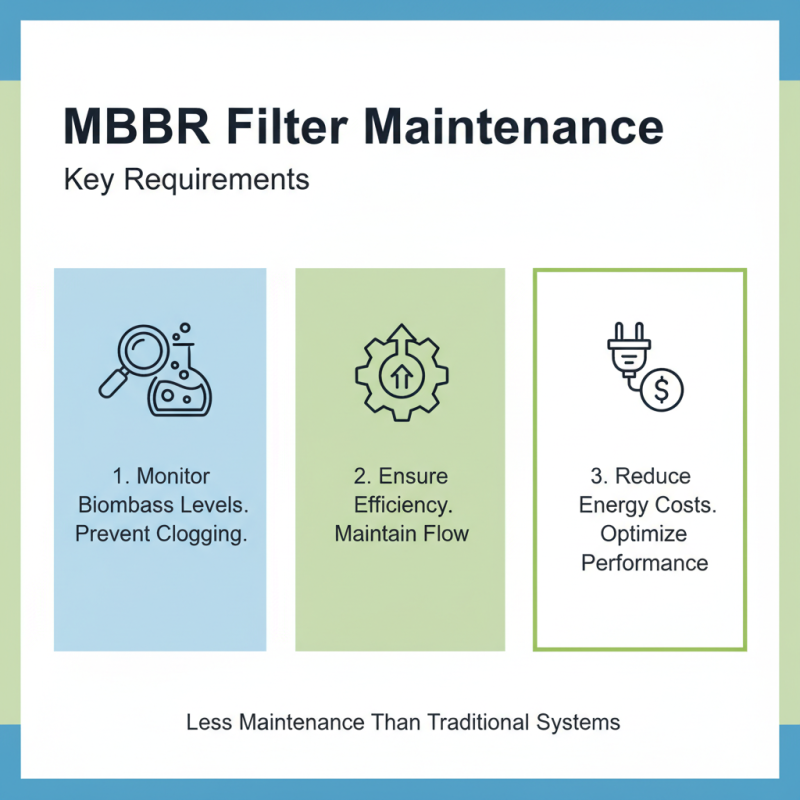
When evaluating MBBR filters, maintenance requirements are crucial. MBBR systems generally need less maintenance than traditional sewage treatment systems, but they still require attention. For instance, regular monitoring of biomass levels is essential. If the biomass is too dense, it can clog the system. This issue can lead to reduced efficiency and higher energy costs.
Tips: Regularly check the diffuser grid for blockages. This could prevent major problems down the line.
The initial investment in MBBR systems might be higher, yet the long-term savings are significant. A study from the Water Environment Federation highlights that MBBR systems can reduce energy consumption by up to 30% compared to conventional methods. However, not all MBBR setups are the same. Some may require more frequent maintenance than others depending on design and usage.
Tips: Schedule routine inspections at least quarterly. Early detection of issues can save resources over time.
It's important to assess your specific needs. A system that is overly complex may need more care than a simpler one. Consider the trade-offs between capacity, efficiency, and maintenance. Investing in training for operators can sometimes be overlooked but is vital for system longevity.
Cost Analysis: Budgeting for Your MBBR Filter Investment
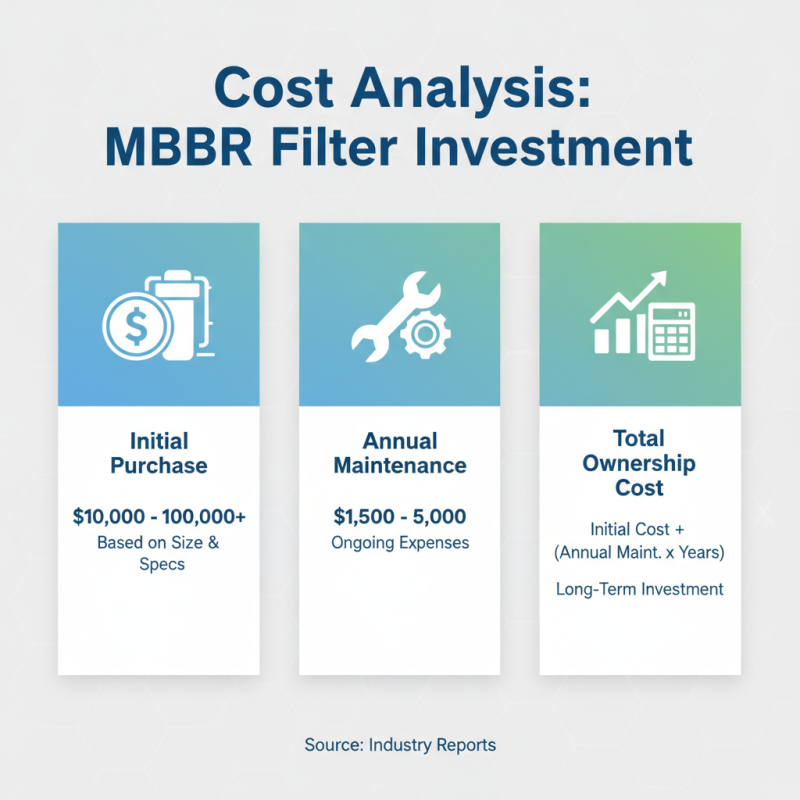
When budgeting for an MBBR filter, it’s essential to consider several key factors. The initial purchase cost is only one aspect. According to industry reports, MBBR systems can range from $10,000 to over $100,000, depending on size and specifications. Maintenance costs can average between $1,500 to $5,000 annually. These ongoing expenses significantly impact the total cost of ownership.
Installation also plays a critical role in budgeting. Costs can vary widely, often adding an additional 30% to 50% to the purchase price. For example, proper site preparation and skilled labor are vital for optimal performance. Neglecting this can lead to inefficiencies.
Additionally, operational performance can vary greatly. Some systems may provide lower energy consumption and higher treatment efficiency. Data from recent studies indicate that efficient systems can reduce energy use by 20%. However, poorly chosen filters can lead to over-treatment, inflating costs unnecessarily. Investing the right amount in research and consultation ensures the filter meets specific needs without exceeding budget constraints.

 +86 13600513715
 CONTACT NUMBER
 CONTACT NUMBER