How to Choose the Best MBBR Filter for Your Aquarium?
Choosing the right MBBR filter can significantly impact your aquarium's health. Effective filtration is vital for maintaining optimal water quality. Data shows that poor filtration can lead to a 50% increase in harmful toxins. Many aquarists overlook this crucial aspect, resulting in stressed fish and unhealthy plants.
MBBR filters utilize moving bed biofilm reactor technology. This innovative solution provides increased surface area for beneficial bacteria. Research indicates that tanks with MBBR filters experience up to 30% lower levels of ammonia and nitrite. However, not all MBBR filters are created equal. Selecting the wrong type can lead to inconsistent filtration performance.
It’s essential to consider your aquarium's size, type, and specific needs. Ask yourself, how much flow rate does your aquarium require? Evaluate the filter’s efficiency and the ease of maintenance. Make informed decisions to avoid common pitfalls that many aquarists face, such as overloading the system or choosing an insufficient capacity filter. Understanding these factors will guide you in selecting the best MBBR filter for your aquatic environment.
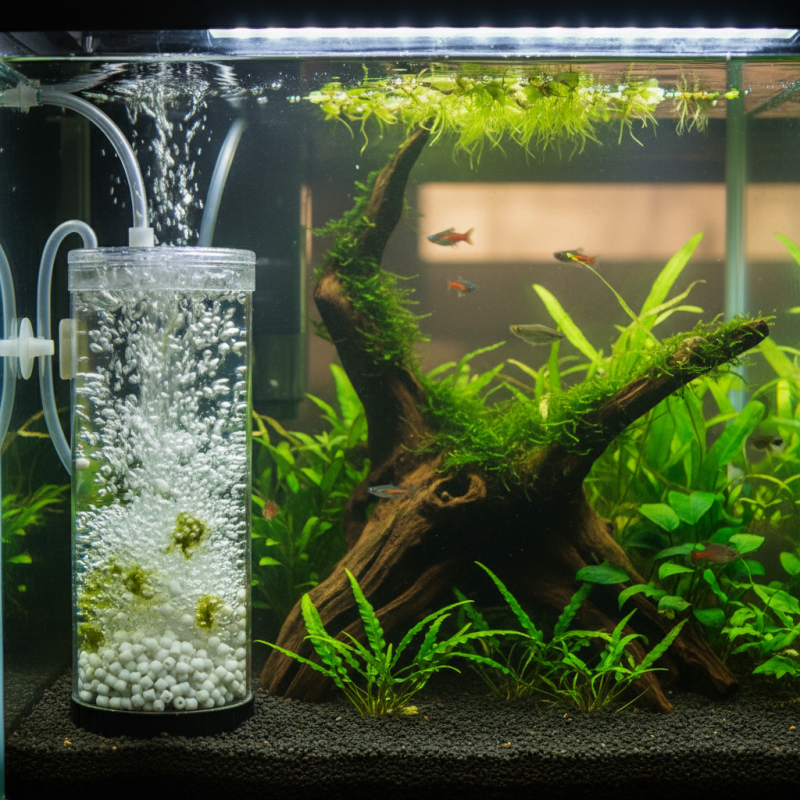
Understanding MBBR Technology and Its Benefits for Aquariums
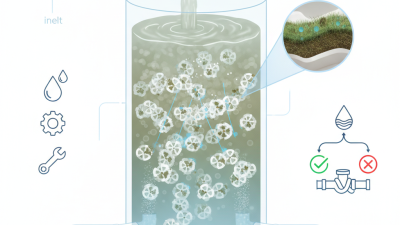
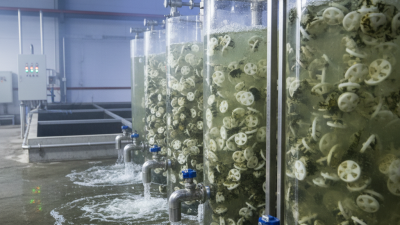
MBBR technology, or Moving Bed Biofilm Reactor, greatly enhances the efficiency of aquarium filtration. This advanced system uses small plastic media that facilitate the growth of beneficial bacteria. These bacteria help break down harmful substances, maintaining optimal water quality. The compact design of MBBR filters allows them to fit in various aquarium sizes while providing robust filtration.
Choosing the right MBBR filter involves considering biofilm development. A well-established biofilm is critical for efficient filtration. However, achieving this balance can be tricky. Too much flow can disrupt the biofilm, while too little may not generate effective filtration. Observing your aquarium's ecosystem is crucial. Observe how fish react and how water clarity changes with different setups.
Additionally, not every MBBR filter suits all aquariums. Factors like tank size and fish species play a role. It’s important to research and reflect on your particular needs. Some may find their first choice disappointing. Learning from mistakes is part of the journey. Experimentation can lead to discovering the perfect fit for your aquatic environment.
Types of MBBR Filters and Their Applications in Aquatic Environments
MBBR filters are essential for maintaining healthy aquatic environments. They come in various types, each designed for specific applications. For instance, some are better suited for freshwater tanks, while others excel in marine setups. The right choice depends on your aquarium's needs.
When selecting an MBBR filter, consider the size of your tank. Larger tanks benefit from more robust systems. Smaller tanks may require compact filters to avoid overcrowding. Pay attention to the filter's flow rate and microbial growth space. This can affect water clarity and overall ecosystem balance.
Tip: Regularly monitor water parameters. It can help identify if your MBBR filter is performing effectively.
Different MBBR systems also cater to filtration needs. Some target mechanical filtration, while others focus on biological filtration. It’s not uncommon to find a blend of both. Keep in mind that choosing the wrong type can lead to issues. You may experience algae blooms or stagnant water if the filter is not adequate.
Tip: Consider the tank's fish and plant species. Their needs may change filter requirements. Reflecting on your choices can lead to better outcomes.
Key Factors to Consider When Selecting an MBBR Filter
When selecting the best MBBR filter for your aquarium, consider key factors. The size of your tank is crucial. Smaller aquariums may need less robust filtration, while larger setups could require a more powerful filter. Pay attention to the flow rate, too. A filter that is too strong can disturb delicate aquatic life. Conversely, one with too low a flow might not keep the water clean.
Consider the type of media used in the filter. Different media promote different types of bacteria. Some may be better for ammonia removal, while others excel at nitrate reduction. Think about the ease of maintenance. Filters that are complicated to clean can discourage regular upkeep. Ask yourself if you will consistently maintain it.
Lastly, assess the noise level. Some filters can be quite loud, which may disrupt the peaceful atmosphere of your aquarium. Reflect on your preferences and the needs of your aquatic pets. Balancing performance, maintenance, and comfort is essential. Choosing the right MBBR filter is not an easy task, and it often requires a bit of trial and error.
Key Factors to Consider When Selecting an MBBR Filter for Your Aquarium
Size and Flow Rate: Finding the Right Specifications for Your Aquarium
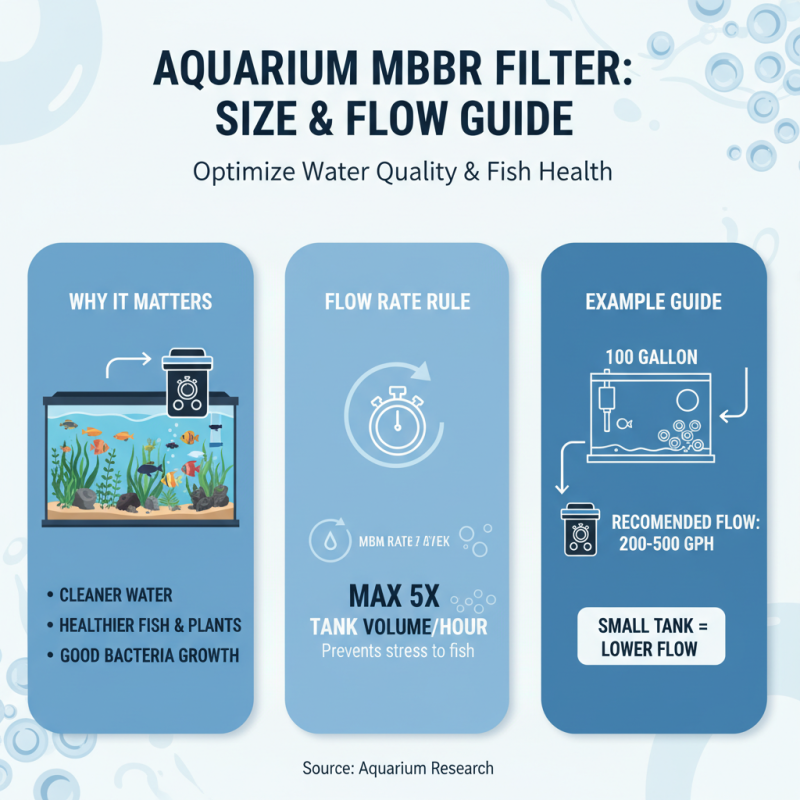
When selecting the right MBBR (Moving Bed Biofilm Reactor) filter for your aquarium, size and flow rate are crucial. A well-sized MBBR enhances water quality. A small aquarium, for example, usually requires a filter with a lower flow rate. Research shows that flow rates exceeding 5 times the tank volume per hour can disturb fish and plants. For a 100-gallon tank, aim for a filter that delivers about 200-500 gallons per hour, allowing beneficial bacteria to flourish.
Evaluate the size of the filter media as well. Larger surfaces promote more biofilm growth, leading to effective filtration. A study reported that filters with 200 m²/m³ provide better ammonia removal than those with 100 m²/m³. Your chosen filter's specifications should align with the tank's bioload, as over-filtering may harm delicate ecosystems. While it's tempting to opt for higher flow rates, remember: balance is key.
Consider water parameters too. Excess turbulence can lead to stress in aquatic life. Not all species cope well with high currents. Take the time to observe your tank's needs and adjust accordingly. A mismatched system might lead to unforeseen issues, impacting the joy of maintaining your aquarium. Pay attention to every detail; success hinges on understanding your aquarium's unique requirements.
Maintenance and Performance Tips for Your MBBR Filter Setup
When setting up an MBBR filter for your aquarium, regular maintenance is crucial. Cleaning the media every few weeks prevents clogging. Rinse it gently in tank water to preserve beneficial bacteria. Avoid using tap water, as it can harm these helpful microorganisms. Monitoring water parameters ensures everything runs smoothly. Check ammonia, nitrite, and nitrate levels weekly. A sudden spike may indicate a problem.
Performance can be influenced by flow rates. Too slow, and waste may accumulate. Too fast, and beneficial bacteria can't establish properly. Adjust the pump speed based on your tank's needs. Ensure the MBBR filter is sized appropriately. A small filter for a large tank may lead to frequent issues. Observe your aquatic life for signs of stress or poor water quality. It’s a constant learning process. Reflection is key to improving your setup for your aquatic community.
How to Choose the Best MBBR Filter for Your Aquarium? - Maintenance and Performance Tips for Your MBBR Filter Setup
| Feature |
Description |
Maintenance Frequency |
Performance Tip |
| Media Type |
Choose between plastic carriers and biofilm carriers for optimal bacteria growth. |
Monthly |
Regularly check for even distribution of media. |
| Water Flow Rate |
Ensure the flow rate matches the recommendations for your aquarium size. |
Weekly |
Check flow rates with a flow meter to maintain efficiency. |
| Bubble Size |
Smaller bubbles increase surface area and improve oxygenation. |
Bi-weekly |
Adjust the air pump to achieve optimal bubble size. |
| Temperature |
Maintain water temperature within ideal range for beneficial bacteria. |
Monthly |
Use heaters for cold environments or chillers for hot weather. |
| Cleaning Schedule |
Periodic cleaning helps maintain performance without disturbing biofilm. |
Every 3 months |
Use gentle scrubbing to avoid removing beneficial bacteria. |

 +86 13600513715
 CONTACT NUMBER
 CONTACT NUMBER