How to Choose the Right Disc Diffuser Aerator for Your Needs?
Choosing the right Disc Diffuser Aerator can significantly impact your water quality. Aeration is crucial in various applications, from aquaculture to wastewater treatment. The right equipment enhances oxygen levels in the water, benefiting aquatic life.
When selecting a Disc Diffuser Aerator, consider the tank size and depth. Larger bodies of water may require multiple diffusers. Also, think about the specific type of installation. Some models work better in certain environments, like ponds or tanks.
You might also question the durability of the materials used. Not all diffusers are built to last. It’s worth exploring warranties and customer reviews. An informed choice leads to better outcomes and avoids costly replacements. Reflect on your unique needs to make the best decision.
Understanding the Functionality of Disc Diffuser Aerators
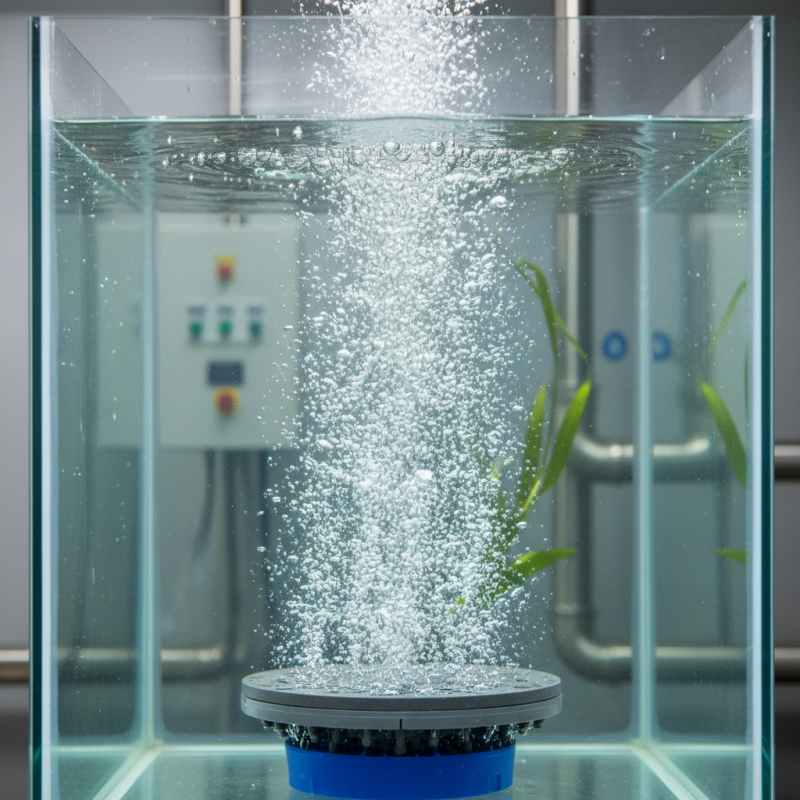
Disc diffuser aerators play a crucial role in enhancing water quality in various applications, such as wastewater treatment and aquaculture. These devices work by distributing fine bubbles of air throughout the water column. The fine bubbles increase oxygen transfer efficiency, which is vital for aerobic microbial processes. Research shows that disc aerators can improve oxygen transfer rates significantly, often reaching as high as 7 kg O2/kWh under optimal conditions.
The design of the disc diffuser is key to its functionality. Most models use a membrane surface, which helps to create uniform bubble sizes. This uniformity is essential. Larger bubbles rise quickly, while smaller ones provide extended contact time with water, promoting better oxygen absorption. Some studies suggest that bubble size variations can lead to substantial differences in oxygen transfer efficiency and energy consumption. It implies that selecting the appropriate aerator design should not be overlooked.
However, the choice of diffuser system can be challenging. Variables such as water temperature, turbidity, and targeted oxygen levels all influence performance. Without proper consideration, one may achieve suboptimal results. Industry reports indicate that poorly matched systems may lead to energy waste and insufficient oxygenation. Understanding these dynamics can help identify the most suitable disc diffuser aerator for specific needs.
How to Choose the Right Disc Diffuser Aerator for Your Needs? - Understanding the Functionality of Disc Diffuser Aerators
| Criterion |
Description |
Considerations |
Typical Applications |
| Air Flow Rate |
Measured in cubic feet per minute (CFM), air flow rate affects the efficiency of the aeration process. |
Ensure flow rate matches the requirements of your system. |
Aquaculture, wastewater treatment |
| Diffuser Material |
Common materials include EPDM, silicone, and polyurethane, which vary in durability and flexibility. |
Select material based on corrosiveness of the environment. |
Municipal wastewater treatment, industrial processes |
| Bubble Size |
Different diffuser designs produce different bubble sizes, affecting oxygen transfer efficiency. |
Evaluate the specific oxygen transfer needs for your application. |
Fish farming, stabilization ponds |
| Installation Depth |
Some diffusers require specific depths to function optimally. |
Consider the depth of your tank or pond. |
Groundwater remediation, lagoon aeration |
| Maintenance Requirements |
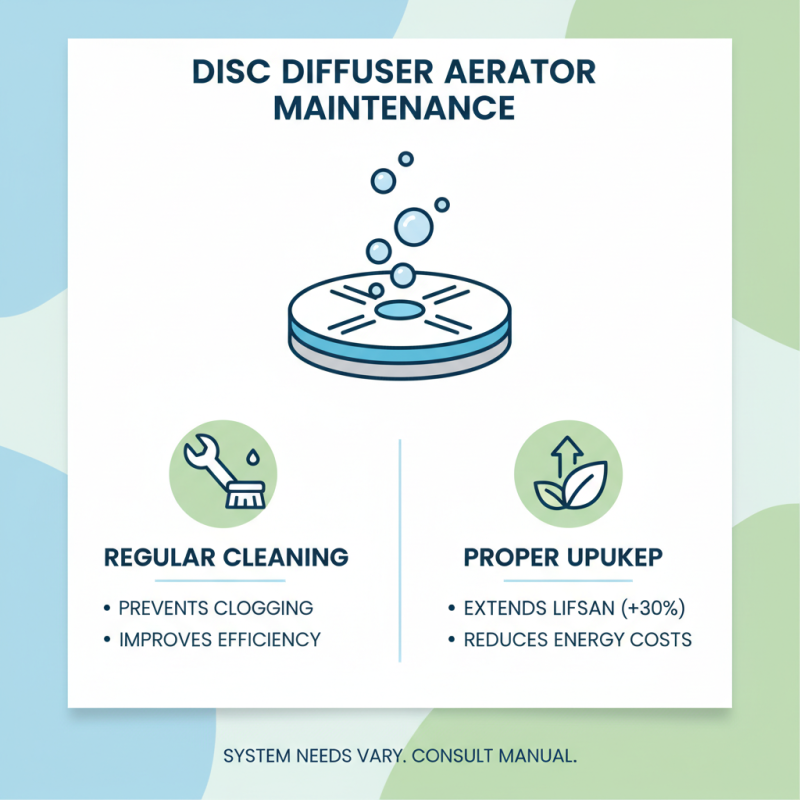
Regular cleaning and inspection are necessary to maintain efficiency. |
Factor in your willingness to perform maintenance. |
All applications requiring aeration |
Evaluating Different Types of Disc Diffuser Aerators
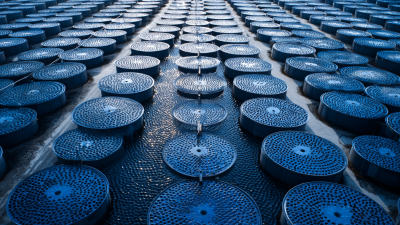
When evaluating different types of disc diffuser aerators, consider their design and functionality. Disc diffusers come in various shapes and materials. The most common materials are EPDM and silicon, known for their durability and resistance to fouling. According to industry studies, EPDM diffusers can last over 10 years with proper maintenance. However, they may not perform well in extreme pH conditions.
Airflow efficiency is crucial. Research indicates that well-designed diffusers can achieve oxygen transfer efficiencies over 30%. However, not all diffusers meet this standard. Some may underperform, leading to unnecessary energy consumption. Users need to assess their specific needs, such as the depth of the basin and the required air volume.
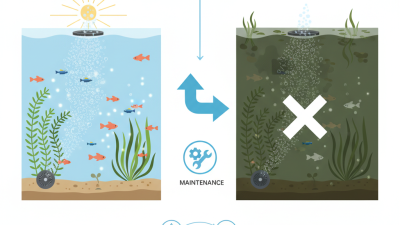
Maintenance is another critical factor. Some diffusers require frequent cleaning and inspection. A study shows that neglected diffusers can lose up to 40% of their efficiency. Therefore, investing in a diffuser that aligns with operational capabilities is vital. The right choice balances cost, efficiency, and maintenance requirements, allowing users to optimize their aeration systems effectively.
Key Factors to Consider When Choosing an Aerator
Choosing the right disc diffuser aerator can feel overwhelming. There are several important factors to consider. Begin with the size of your pond or water body. A larger area typically requires a more powerful aerator to achieve optimal results. Think about the depth of the water too. Shallow or deep waters may change your needs.
Next, consider the specific purpose of the aeration. Are you looking to improve water quality or promote fish health? Different situations may require different aeration rates. It's vital to understand how much oxygen your aquatic life needs. Look into the material of the diffuser itself. Durable materials can withstand harsh conditions, providing longevity.
Pay attention to maintenance requirements. Some systems demand more upkeep than others. Regular checks can be crucial, especially in challenging climates. You might encounter difficulties if you overlook this aspect. Noise levels should also be factored in. While some models are quieter, others may disrupt the peaceful environment. Reflect on how the aerator will fit into your setting before making a decision.
Assessing the Size and Scale of Your Aeration Needs
Assessing the size and scale of your aeration needs is crucial. The efficiency of a disc diffuser aerator largely depends on the volume and type of water body it serves. According to the American Society of Civil Engineers, proper aeration can enhance oxygen transfer rates by 30% to 60% in wastewater treatment applications. Evaluating your water's surface area and depth will guide your choice.
A common mistake is underestimating the required aeration capacity. For a small pond, a diffuser with a lower flow rate might suffice. However, larger bodies of water require a more powerful system. Research indicates that operating in optimal conditions can significantly reduce energy consumption, often making it 20% more efficient.
Considering specific parameters such as water temperature, biological load, and the desired oxygen levels is key. You may need to adjust these requirements as conditions change. It’s helpful to consult with professionals who understand these variables. Aeration systems can be over-designed or under-designed. This leads to inefficient operations and increased costs. A thoughtful evaluation process can save money and enhance environmental outcomes.
Disc Diffuser Aerator Size and Scale Assessment

 +86 13600513715
 CONTACT NUMBER
 CONTACT NUMBER