Best Pp Tube Settler Applications and Benefits Explained
The Pp Tube Settler is an essential innovation in water treatment processes. Its design allows for enhanced settling of suspended solids, improving efficiency and clarity. This technology is widely adopted in various applications, making it a key component in modern treatment plants.
Pp Tube Settlers are favored for their simplicity and durability. They can effectively reduce the footprint of settling tanks, saving valuable space. Many operators appreciate how they maximize sedimentation while minimizing the need for extensive maintenance. However, not all implementations yield the expected results. Factors like design flaws and improper installation can lead to inefficiencies.
In exploring the best applications for Pp Tube Settlers, we must also consider the challenges. Common issues include clogging and reduced flow rates. These obstacles require careful attention and reflective practices to ensure optimal performance. By addressing these potential pitfalls, we can fully harness the benefits of Pp Tube Settlers in various industries.
Understanding PP Tube Settlers: Definition and Functionality
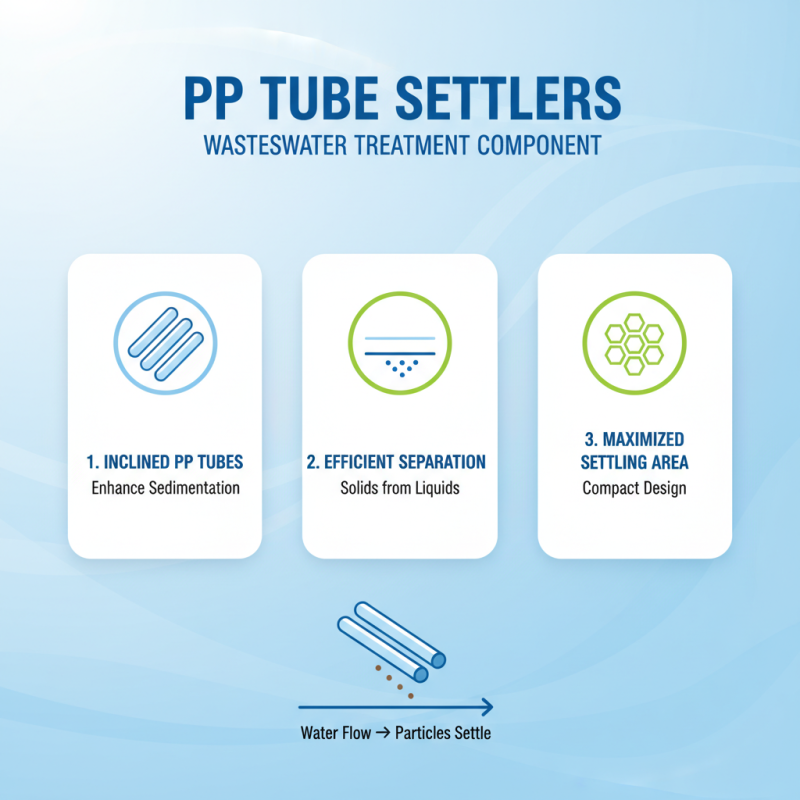
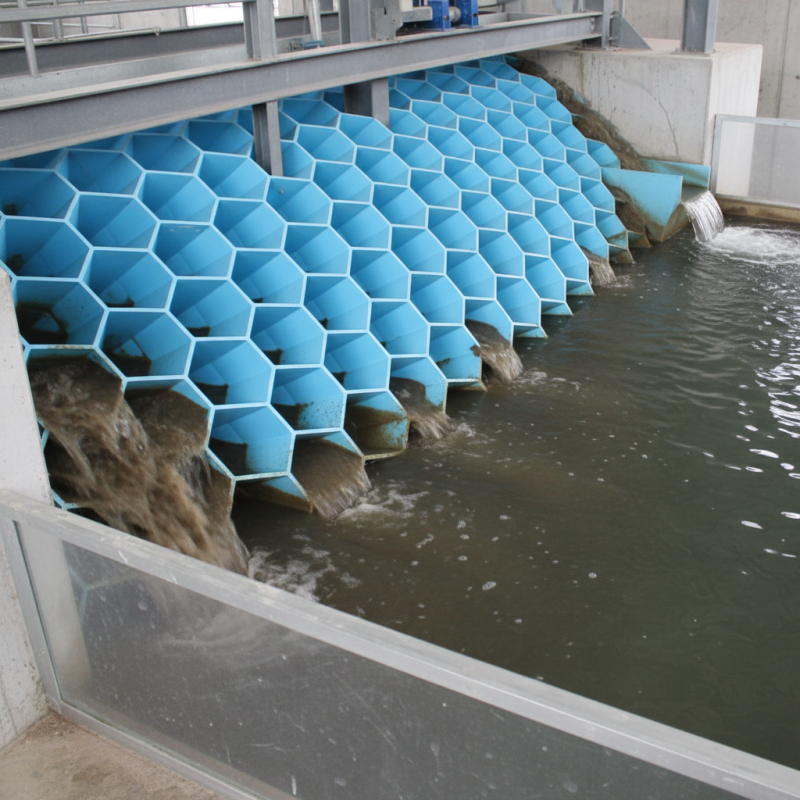
PP tube settlers are essential components in wastewater treatment facilities. They consist of inclined tubes made from polypropylene materials, designed to enhance sedimentation. Their flat surfaces allow for efficient separation of solids from liquids. This design maximizes the settling area while minimizing space requirements. Water flows through the tubes, where particles collide and settle.
Understanding the functionality of PP tube settlers is crucial. They improve the efficiency of treatment processes by promoting clearer effluent. This results in reduced contamination levels in water. Additionally, these settlers can handle varying flow rates, making them versatile in different applications. However, maintaining the cleanliness of tube settlers can be a challenge. Clogged tubes can diminish their effectiveness, and regular inspections are necessary.
Moreover, while they are effective, they may not fit every setup. Design parameters must be considered carefully to ensure optimal performance. Incorrectly sized settlers can lead to operational issues or inefficiencies. Thus, ongoing evaluation and adjustment are key for maximizing benefits.
Key Applications of PP Tube Settlers in Water Treatment Processes
PP tube settlers are essential components in water treatment processes. These innovative systems enhance sedimentation in various applications. They provide significant advantages, especially in increasing the efficiency of solid-liquid separation. This is crucial for industries like wastewater management and drinking water treatment.
In municipal wastewater treatment, tube settlers optimize space. They pack more settling area into a smaller footprint. The design allows for rapid settling of particles. Efficiency improves, and the overall process requires less energy. However, it is important to monitor the operating conditions. Maintenance is crucial to avoid clogging and ensure optimal performance.
Tips: Regular inspections can identify early signs of wear or blockage. Implementing a routine maintenance schedule can prevent costly failures. Additionally, consider the water chemistry. Changes can affect settling rates, making adjustments necessary for optimal function. Remember, the best results come from continuous improvement and careful observation.
Advantages of Using PP Tube Settlers for Sedimentation Efficiency
PP tube settlers are an innovative solution in the field of sedimentation. They play a crucial role in optimizing efficiency in water treatment processes. By providing a larger surface area, these settlers enhance particle settling. Water travels through the tubes, allowing solids to settle effectively. This process results in clearer water and cleaner effluent.
One significant advantage of PP tube settlers is their space-saving design. Traditional sedimentation tanks can consume much space. In contrast, tube settlers are compact and can fit in smaller setups. The materials are also lightweight and resistant to corrosion, ensuring longevity. However, installation may require careful planning and adjustment.
Despite their benefits, there can be issues with maintenance. Regular checks are essential to prevent clogging. Inadequate cleaning can lead to decreased efficiency. Operators must stay vigilant to ensure optimal performance. Each system has its unique challenges, prompting operators to adapt their strategies. Understanding these nuances enhances overall sedimentation outcomes.
Comparative Analysis: PP Tube Settlers vs. Traditional Settling Solutions
When comparing PP tube settlers to traditional settling solutions, several key differences emerge. PP tube settlers use a series of inclined tubes to facilitate sedimentation. This design allows for a more efficient settling process. Traditional solutions often rely on larger, rectangular tanks. These can take up more space and may not offer the same settling efficiency.
In practical applications, PP tube settlers excel in smaller setups. They fit well in space-constrained areas. This ability to save space does come with its own challenges. Sometimes, the installation can require careful planning to ensure optimal flow rates. On the other hand, traditional systems might be easier to design, but can lead to longer settling times.
Cost considerations also play a significant role in the choice between these systems. The upfront cost for PP tube settlers can be higher due to their innovative design. Yet, they may save money in the long run through reduced energy and maintenance costs. Minor issues can arise in their operation, such as clogging if not maintained properly. Meanwhile, traditional solutions tend to have predictable costs but can be less efficient over time. Each system has its strengths and weaknesses, making it crucial to weigh them based on specific requirements.
Maintenance and Operational Considerations for PP Tube Settlers
When maintaining PP tube settlers, regular inspections are key. Check for blockages or buildup in the tubes. This can lead to uneven flow and reduced efficiency. Routine cleaning helps ensure optimal performance.
Tips: Use a gentle scrubber for cleaning. Avoid harsh chemicals which can damage the plastic material.
Operational considerations also play a vital role. Monitor the influent water quality regularly. High concentrations of solids can burden the settler. Adjust flow rates based on this data.
Recognize that not every installation is perfect. Misalignment can cause uneven settling. Regular adjustments may be necessary as conditions change. Don't overlook these minor tweaks; they can lead to major efficiency gains.

 +86 13600513715
 CONTACT NUMBER
 CONTACT NUMBER