Top 10 Benefits of Using Biofilters for Effective Water Treatment
The growing demand for effective water treatment solutions has led to the increased implementation of innovative technologies, among which biofilters have emerged as a popular choice. According to Dr. Emily Carter, a respected expert in the field of water treatment, "Biofilters for water treatment not only enhance the purification process but also promote sustainable practices." With their natural filtration capabilities and low maintenance costs, biofilters present a promising avenue for addressing various water quality challenges.
This article explores the top 10 benefits of using biofilters for effective water treatment, highlighting their ability to remove contaminants while fostering an eco-friendly approach. By leveraging the natural processes of microorganisms, biofilters can significantly improve water quality and ensure the protection of our vital water resources. Furthermore, as regulatory requirements for water treatment become more stringent, the adoption of biofilters offers a reliable solution that aligns with environmental sustainability goals, making it an essential component in modern water management strategies.
Key Features of Biofilters in Water Treatment Processes
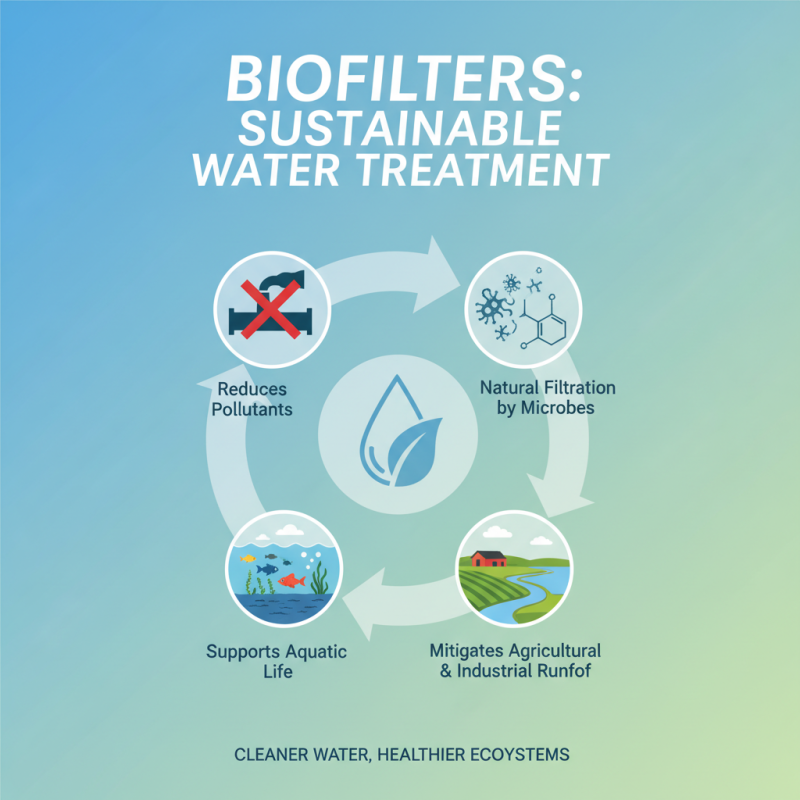
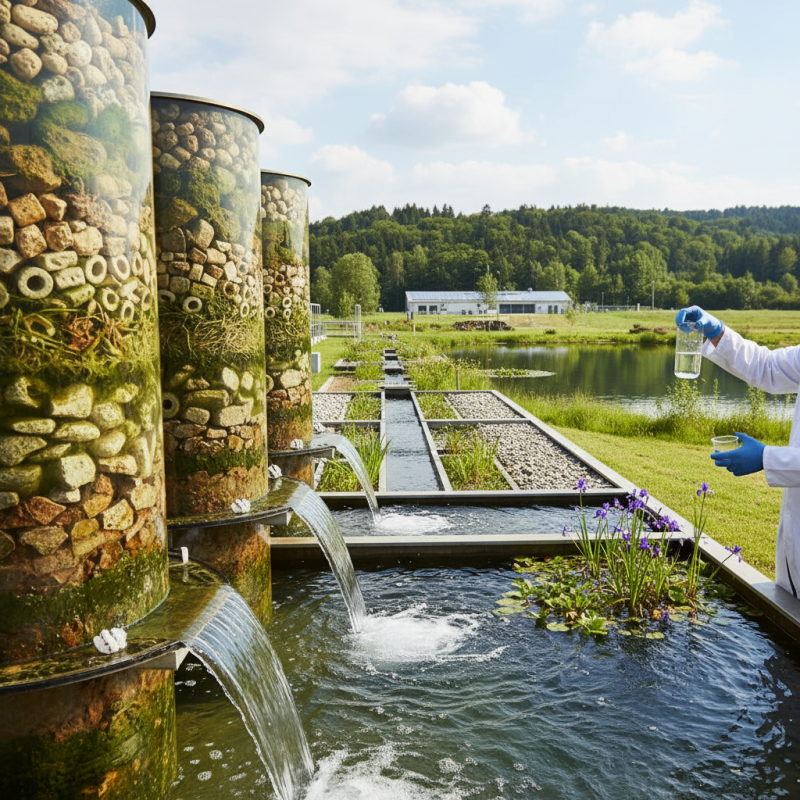
Biofilters are an innovative solution for water treatment that harnesses natural processes to improve water quality. One of the key features of biofilters is their ability to use microorganisms to break down pollutants. By creating an optimal environment for these beneficial microbes, biofilters effectively remove organic matter, nutrients, and pathogens from wastewater. This biological treatment process is not only efficient but also environmentally friendly, making it a sustainable choice for water management.
Another essential characteristic of biofilters is their adaptability to various water treatment needs. These systems can be designed to accommodate different wastewater flows and compositions, allowing for tailored solutions that meet specific treatment goals. Furthermore, biofilters require minimal energy input compared to traditional treatment methods, reducing operational costs and greenhouse gas emissions.
**Tips:** When considering the installation of a biofilter, evaluate the specific contaminants present in your wastewater. Conducting a thorough analysis will help in selecting the appropriate biofilter type and size. Additionally, regular maintenance is critical for optimal functionality; schedule consistent inspections to ensure that the microbial communities thrive and efficiently process the incoming water.
Top 10 Benefits of Using Biofilters for Effective Water Treatment - Key Features of Biofilters in Water Treatment Processes
| Benefit |
Description |
Key Feature |
| Sustainable Treatment |
Biofilters use natural processes to treat water, making them environmentally friendly. |
Utilization of microbial activity |
| Cost-Effectiveness |
Lower operational costs compared to traditional water treatment methods. |
Minimal energy requirements |
| Removal of Contaminants |
Effective at removing organic substances and nutrients. |
Efficient filtration media |
| Enhanced Biodiversity |
Supports diverse microbial populations, improving treatment efficiency. |
Natural habitat creation |
| Low Maintenance Requirements |
Requires less maintenance compared to mechanical systems. |
Self-regulating systems |
| Odor Removal |
Can effectively reduce unpleasant odors in wastewater. |
Aerobic degradation processes |
| Flexibility in Design |
Can be tailored to fit various sizes and types of treatment facilities. |
Modular design options |
| Nutrient Recovery |
Facilitates the recovery of nutrients like nitrogen and phosphorus. |
Biological nutrient removal processes |
| Improved Water Quality |
Produces higher quality effluent suitable for various uses. |
Advanced filtration technologies |
| Adaptability to Various Pollutants |
Can be effective across a wide range of pollutants, including heavy metals. |
Diverse media combinations |
Types of Biofilters and Their Applications in Water Purification
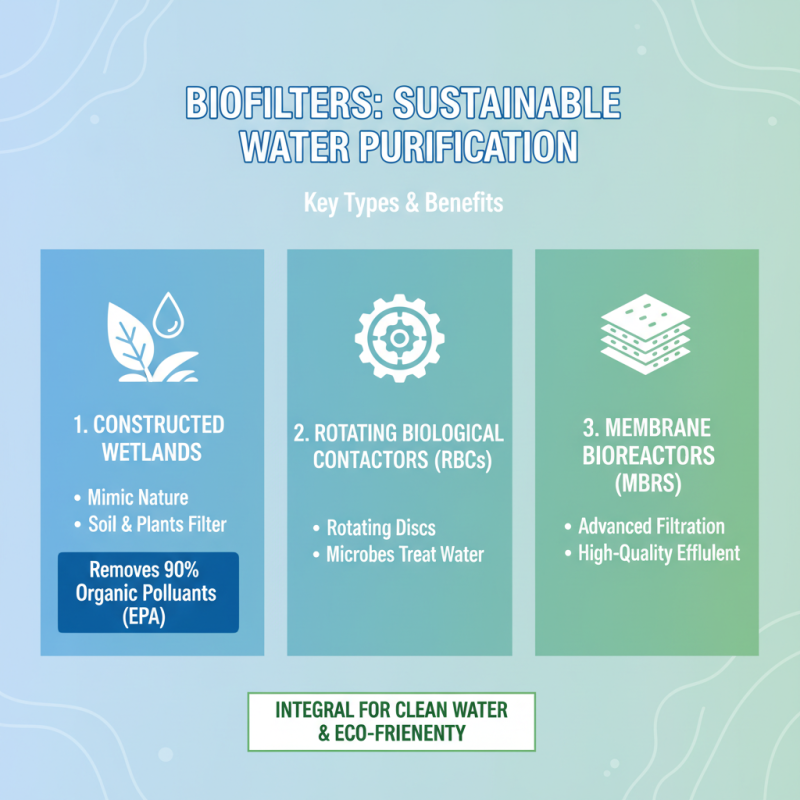
Biofilters are becoming increasingly integral in modern water purification systems due to their effectiveness and sustainability. Among the various types of biofilters, three main categories stand out: constructed wetlands, rotating biological contactors (RBCs), and membrane bioreactors (MBRs). Constructed wetlands replicate natural processes, utilizing soil and plant systems to treat water effectively. According to a report by the U.S. Environmental Protection Agency, constructed wetlands can remove up to 90% of organic pollutants, proving their efficiency in treating both municipal and industrial wastewater.
Rotating biological contactors consist of a series of rotating discs submerged in wastewater. As the discs turn, they provide a surface for microbial growth, facilitating the bio-degradation of contaminants. Research published in the Journal of Environmental Management indicates that RBCs can achieve high removal rates of biochemical oxygen demand (BOD), with reductions as high as 85% in optimal conditions. Their compact design makes them suitable for small-scale applications, thus expanding their viability in diverse settings.
Membrane bioreactors combine biological treatment with membrane filtration, providing a dual approach to clean water purification. According to data from a study by the International Water Association, MBRs can achieve effluent quality that meets or exceeds drinking water standards, removing pathogens and suspended solids effectively. This technology is especially beneficial for industries with stringent discharge requirements or in areas with limited water resources, offering a pathway towards more sustainable water management practices.
Cost-Effectiveness of Biofilters Compared to Traditional Treatment Methods
Biofilters have emerged as a cost-effective alternative to traditional water treatment methods, providing significant advantages for municipalities and industries alike. According to a report from the Water Environment Federation, biofilters can reduce operational costs by up to 30% compared to conventional filtration systems. This substantial cost reduction primarily stems from lower energy consumption, reduced chemical use, and decreased maintenance requirements. For instance, biofilters utilize natural biological processes to break down contaminants, which not only diminishes reliance on expensive chemicals but also minimizes the need for regular mechanical cleanings or replacements, further enhancing economic efficiency.
Furthermore, studies indicate that the initial capital investment for biofilters is often lower than that of traditional treatment facilities. A study published in the Journal of Environmental Management noted that the installation of biofilter systems can be 20% less expensive on average than that of standard treatments, such as activated sludge systems. This is largely attributable to their simpler design and lower construction costs. Additionally, the long-term savings associated with reduced chemical procurement and energy use yield a compelling financial case for adopting biofilters, making them a sustainable choice in the quest for effective water treatment solutions.
Top 10 Benefits of Using Biofilters for Effective Water Treatment
The following chart illustrates the cost-effectiveness of biofilters compared to traditional water treatment methods across various benefits. The data reflects the potential savings and efficiency gains observed in real applications.
Environmental Benefits of Using Biofilters for Water Treatment
Biofilters play a crucial role in enhancing water treatment processes, offering numerous environmental benefits that contribute to sustainable ecosystems. One of the primary advantages is their ability to naturally reduce pollutants and contaminants in water. By utilizing microorganisms, biofilters effectively break down organic matter and toxic substances, leading to cleaner water that supports aquatic life and benefits surrounding ecosystems. This natural filtration process helps to mitigate the impact of industrial waste and agricultural runoff, which are significant contributors to water pollution.
In addition to improving water quality, biofilters promote biodiversity by creating suitable habitats for various organisms. The filtration media in biofilters serves as a habitat for beneficial microorganisms and other small aquatic species. This not only supports local wildlife but also enhances the resilience of ecosystems against environmental changes. Furthermore, biofilters can contribute to carbon sequestration, as the microbial activity involved in filtration processes captures carbon dioxide, thus playing a role in combating climate change. By integrating biofilters into water treatment systems, communities can effectively manage water resources while fostering a healthier environment.
Challenges and Limitations of Implementing Biofilters in Water Systems
Implementing biofilters in water treatment systems presents several challenges and limitations that must be addressed to ensure their effectiveness. One significant hurdle is the initial setup and operational costs associated with biofilter systems. The necessary infrastructure, including the collection and distribution systems, can require substantial investment, particularly for municipal water supply systems. Additionally, the establishment of suitable microbial communities, essential for the biofilter to function optimally, demands careful management and ongoing monitoring. This complexity can deter organizations from adopting biofilter technology.
Another challenge lies in the biofilter's dependency on environmental conditions. Factors such as temperature, pH levels, and the presence of toxins can adversely affect the performance of biofilters. Fluctuations in these conditions may hinder microbial activity, leading to inconsistent water treatment outcomes. Furthermore, biofilters can become clogged or impaired over time, necessitating maintenance and potential replacement of filter media. Such requirements can result in extended downtime, complicating adherence to water quality standards and regulations. Addressing these limitations is crucial for the successful integration of biofilters into municipal and industrial water systems.

 +86 13600513715
 CONTACT NUMBER
 CONTACT NUMBER