Top 10 Benefits of Screw Press Dewatering in Wastewater Treatment
Screw Press Dewatering has emerged as a transformative technology in the field of wastewater treatment, offering a range of benefits that significantly enhance operational efficiency and environmental sustainability. As industries worldwide grapple with increasing wastewater generation and stricter regulatory requirements, the need for effective waste management solutions has never been more pressing. Screw press dewatering stands out due to its ability to effectively separate solids from liquids, thereby facilitating a more manageable waste stream and optimizing recovery processes.
In this exploration of the top ten benefits of screw press dewatering, we delve into how this technology not only improves the dewatering process but also contributes to cost savings, reduced energy consumption, and enhanced overall productivity. Beyond its operational advantages, screw press dewatering plays a crucial role in minimizing environmental impact by lowering the volume of waste to be treated and ultimately disposed of. This introduction sets the stage for an in-depth discussion on why adopting screw press dewatering is a forward-thinking choice for modern wastewater treatment facilities aiming to achieve both efficiency and compliance in an evolving regulatory landscape.
Benefits of Screw Press Dewatering in Wastewater Treatment
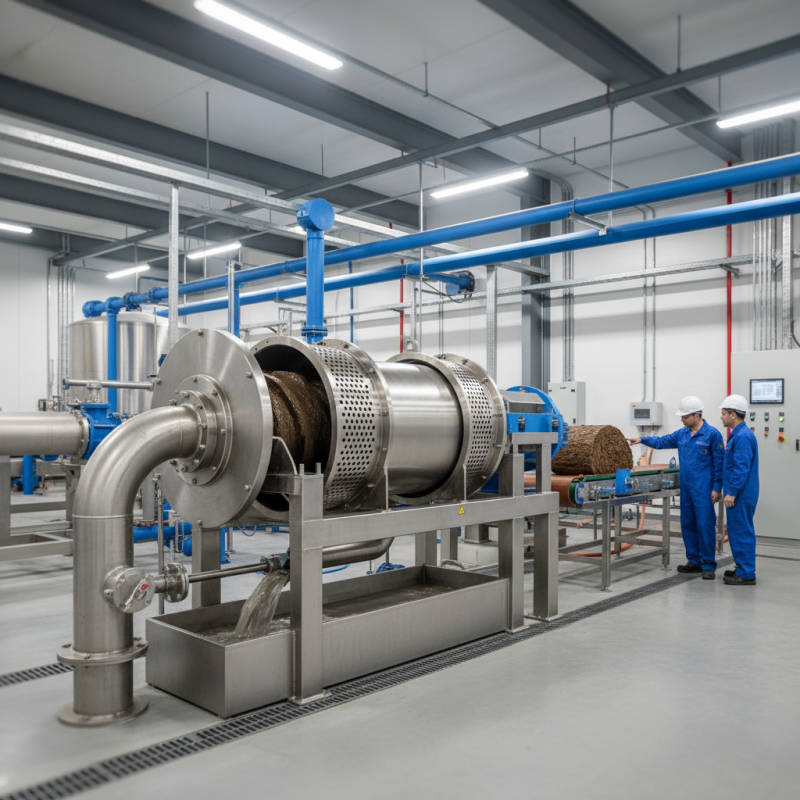
Screw press dewatering is an efficient technology utilized in wastewater treatment processes to reduce the volume of sludge. One of the primary benefits is the significant reduction in handling and transportation costs. By effectively removing water from sludge, the end product becomes less bulky, which translates into savings in both disposal and transportation expenses. This efficient dewatering process not only minimizes operational costs but also enhances the sustainability of wastewater treatment facilities.
Another advantage of screw press dewatering is its ability to produce drier cake compared to other dewatering methods. This drier cake not only helps in reducing the final disposal volume but also improves the quality of the residual material, making it more suitable for further processing or beneficial reuse. Additionally, the screw press system operates continuously and requires minimal operator intervention, contributing to lower labor costs and streamlined operations. Overall, screw press dewatering technology offers enhanced efficiency, cost-effective management, and improved environmental benefits within the realm of wastewater treatment.
Improved Solid Separation Efficiency in Dewatering Processes
Screw press dewatering has emerged as a pivotal technology in enhancing solid separation efficiency within wastewater treatment processes. By utilizing a unique mechanism that combines mechanical pressing with gravity-driven separation, screw presses can achieve a solid separation efficiency that surpasses traditional dewatering methods. According to the Water Environment Federation, modern screw press designs can remove up to 90% of solids from sludge, significantly improving the overall treatment performance and reducing the volume of residuals that require further handling.
The effectiveness of screw presses not only lies in their ability to separate solids but also in their operational efficiency. Recent industry studies indicate that screw presses can operate with lower energy consumption compared to centrifuges and belt presses, making them more sustainable options for wastewater facilities. Moreover, the compact design of these systems enables easier integration into existing treatment plants, contributing to space savings and reduced infrastructure costs. As a result, facilities report better compliance with environmental regulations while simultaneously lowering operational expenditures, underscoring the strategic advantages of adopting screw press technology in wastewater treatment.
Top 10 Benefits of Screw Press Dewatering in Wastewater Treatment
| Benefit |
Description |
Impact on Solid Separation |
| Higher Efficiency |
Increased solid capture rates during dewatering. |
Reduces residual moisture content significantly. |
| Reduced Chemical Usage |
Less need for chemical flocculants in treatment processes. |
Enhances separation without additional chemicals. |
| Space Efficiency |
Compact design allows for smaller footprint in treatment facilities. |
Optimizes space for additional processing equipment. |
| Operational Flexibility |
Can handle varying solid concentrations efficiently. |
Maintains effectiveness across diverse waste streams. |
| Energy Efficiency |
Lower power consumption compared to other dewatering methods. |
Reduces operational costs through energy savings. |
| Improved Odor Control |
Minimizes odors released during dewatering. |
Maintains a more pleasant working environment. |
| Lower Operational Costs |
Saves money through reduced maintenance and chemical costs. |
Enhances profitability of wastewater treatment operations. |
| Enhanced Sludge Quality |
Produces higher quality dewatered sludge suitable for disposal or reuse. |
Facilitates compliance with environmental regulations. |
| Reduced Wear and Tear |
Less mechanical wear due to simpler moving parts. |
Increases lifespan of dewatering equipment. |
| Environmentally Friendly |
Lower carbon footprint due to energy savings and efficiency. |
Promotes sustainable practices in wastewater management. |
Reduction in Operational Costs Through Energy Efficiency
In wastewater treatment processes, energy efficiency plays a crucial role in reducing operational costs, particularly with the adoption of screw press dewatering technology. According to a report by the International Water Association, energy consumption in wastewater treatment accounts for approximately 30-50% of total operational costs. By utilizing screw press dewatering systems, facilities can significantly decrease energy use due to their design, which allows for continuous processing without the need for additional mechanical energy-intensive equipment. This advancement eliminates the reliance on traditional belt filter presses, which are known for higher energy demand and maintenance costs.
Moreover, the screw press technology operates at lower hydraulic pressures and requires less water during the dewatering process. A study published by the Water Environment Federation indicated that facilities implementing screw presses have reported up to a 40% reduction in energy usage compared to conventional dewatering methods. Furthermore, the inherent simplicity and robustness of screw presses contribute to reduced downtime and operational disruptions, leading to further savings. As municipalities and industries continue to seek cost-effective and environmentally sustainable solutions, the transition to screw press dewatering not only supports operational efficiency but also enhances the overall sustainability of wastewater treatment practices.
Minimization of Environmental Impact with Reduced Sludge Volume
The minimization of environmental impact in wastewater treatment has become increasingly important, and screw press dewatering plays a significant role in achieving this goal. By efficiently removing excess water from sludge, screw press systems significantly reduce the volume of waste generated. This reduction means that fewer resources are required for transportation and disposal, leading to lower carbon emissions and a smaller ecological footprint overall. With less sludge to manage, treatment facilities can operate more effectively, ensuring that they comply with environmental regulations and contribute to sustainability efforts.
Tips for effective implementation of screw press dewatering include regularly monitoring performance to identify optimal moisture levels and adjusting operational parameters accordingly. Additionally, training staff on best practices can enhance efficiency, ensuring that the system runs smoothly and achieves its intended environmental benefits. Emphasizing the importance of routine maintenance can also prolong the lifespan of equipment, minimizing the need for replacements and conserving resources over time, which ultimately contributes to a more sustainable approach in wastewater management.
Enhanced Reliability and Maintenance Reduction in Dewatering Systems
Screw press dewatering systems have emerged as a vital component in the wastewater treatment sector, providing enhanced reliability and significantly reducing maintenance requirements. According to a report by the Water Environment Federation (WEF), traditional dewatering methods often involve extensive maintenance due to their mechanical complexity and susceptibility to wear and tear. In contrast, screw presses operate with fewer moving parts, which minimizes the risk of breakdowns and extends the operational lifespan of the equipment. This reliability is crucial, particularly in municipalities where the demand for efficient wastewater management is increasing.
Additionally, a study published in the Journal of Water Process Engineering indicated that screw press dewatering can decrease maintenance costs by up to 30% compared to conventional methods. The simplicity of the screw press design not only reduces the need for frequent repairs but also allows operators to spend less time on routine maintenance tasks. As a result, facilities can allocate resources more effectively, focusing on improving overall treatment processes rather than managing equipment failures.
This paradigm shift towards more straightforward technology contributes to a more sustainable and cost-effective wastewater treatment operation, aligning with industry goals of efficiency and environmental stewardship.
Conclusion
Screw Press Dewatering offers significant advantages in wastewater treatment, making it a preferred method for solid-liquid separation. One of the most notable benefits is its improved solid separation efficiency, which enhances the overall effectiveness of dewatering processes. Additionally, this technology helps reduce operational costs through increased energy efficiency, translating to lower energy consumption and cost savings for treatment facilities.
Environmental impact is also minimized, as Screw Press Dewatering reduces sludge volume, making disposal easier and less harmful to the ecosystem. The reliability of dewatering systems is enhanced, leading to decreased maintenance needs and operational downtime. Furthermore, the potential for resource recovery significantly increases the return on investment, demonstrating that Screw Press Dewatering is not only a practical solution but also an economically beneficial one in sustainable wastewater management.

 +86 13600513715
 CONTACT NUMBER
 CONTACT NUMBER