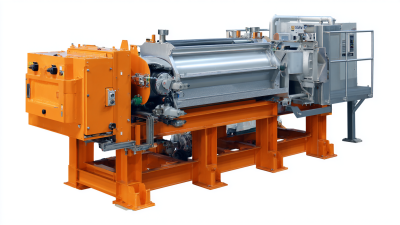
Top Benefits of Mechanical Sludge Dewatering for Global Buyers?
In the realm of wastewater management, "Mechanical Sludge Dewatering" stands as a pivotal process for optimizing resource use. Industry expert Dr. Michael Hayes emphasizes, "Efficient dewatering can transform waste into valuable resources." This transformation not only benefits operations but also enhances environmental sustainability.
Mechanical Sludge Dewatering employs various techniques to separate water from sludge. The process reduces volume significantly, making transportation and disposal more efficient. With rising global awareness of sustainability, this method presents an opportunity for companies to minimize costs and maximize resource recovery.
Yet, there are challenges within this industry. Not all systems are equally effective for every type of sludge. Companies must evaluate their specific needs carefully. Failure to do so can lead to inefficiencies and increased operational costs. Understanding the nuances of Mechanical Sludge Dewatering is essential for global buyers looking to invest wisely in these technologies.
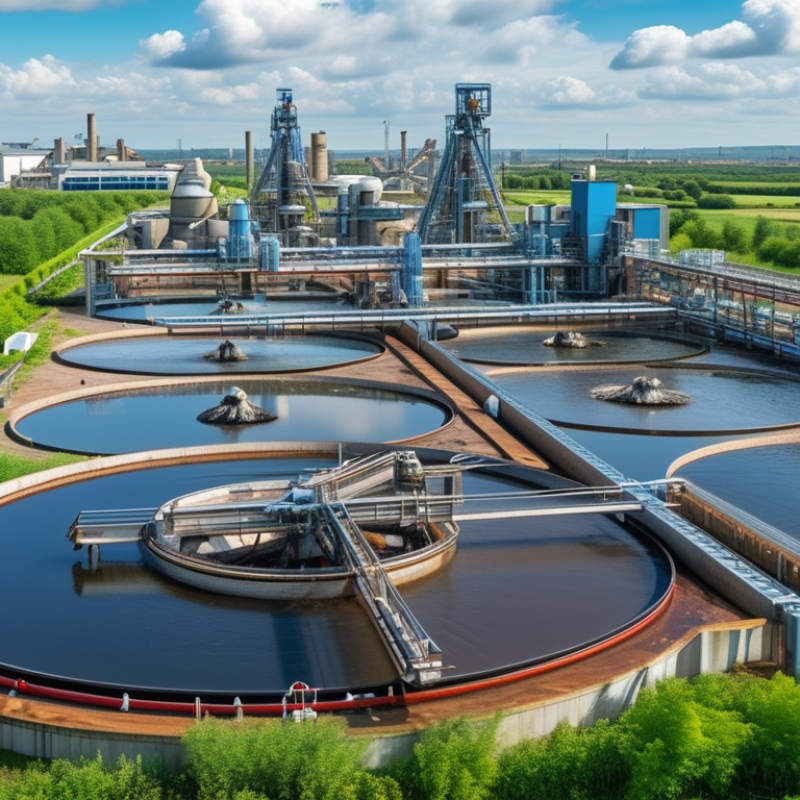
Top Advantages of Mechanical Sludge Dewatering for Wastewater Management
Mechanical sludge dewatering plays a crucial role in wastewater management. By reducing the volume of sludge, it significantly cuts disposal costs. According to a report by the Water Environment Federation, effective dewatering can lead to a reduction in sludge volume by up to 90%. This offers savings on transportation and landfill fees, benefiting wastewater treatment facilities globally.
Dewatering ensures that the remaining sludge is less bulky, which is critical for land application or incineration. The process also improves the stability and quality of the waste, minimizing environmental impact. A study by the International Water Association highlights that mechanically dewatered sludge can achieve lower moisture content, enhancing its thermal efficiency during incineration.
It’s important to consider quality control in the dewatering process. Proper monitoring can prevent issues such as clogging or inefficient water removal. Operators should continually assess the performance of mechanical systems. Regular maintenance and timely adjustments ensure optimal results. Investing in equipment and staff training pays off, as this can enhance dewatering efficiency and extend equipment life.
Top Benefits of Mechanical Sludge Dewatering for Global Buyers
| Benefit |
Description |
Impact |
| Reduced Volume |
Mechanical dewatering significantly reduces the volume of sludge, decreasing waste disposal costs. |
Cost savings on waste transport and landfill fees. |
| Improved Treatment Efficiency |
Enhances the efficiency of biological treatment processes by reducing the organic load. |
Leads to better water quality and compliance with discharge standards. |
| Reduction of Odors |
Minimizes the odor issues associated with sludge management, improving workplace and community environments. |
Enhanced community relations and worker satisfaction. |
| Resource Recovery |
Facilitates the recovery of valuable resources like biogas and compost from dewatered sludge. |
Contributes to sustainable waste management practices and potential revenue streams. |
| Operational Flexibility |
Allows for flexible operation strategies tailored to specific treatment needs and conditions. |
Improves overall plant performance and adaptability. |
Cost Savings on Transportation and Disposal of Dewatered Sludge
Mechanical sludge dewatering presents significant cost savings for businesses involved in wastewater management. By reducing the volume of sludge, companies can significantly lower transportation costs. Dewatered sludge is lighter and takes up less space. This means fewer trips and reduced fuel consumption, which ultimately leads to lower transportation expenses.
The disposal of dewatered sludge also offers financial advantages. Landfill fees for wet sludge can be steep. Once dewatered, the sludge can often be repurposed for land application or composting, which aligns with sustainable practices. Businesses can save on disposal costs while contributing to environmental stewardship.
It's important to assess the dewatering process continuously. Not all methods are equally effective for every type of sludge. As technologies evolve, companies must regularly evaluate their systems for efficiency. Making mistakes in this area can lead to missed opportunities for savings. A method that once worked well may need adaptation. This ensures ongoing cost efficiency and environmental compliance.
Reduction in Volume of Sludge Leading to Increased Treatment Efficiency
Mechanical sludge dewatering stands out as a pivotal solution for wastewater treatment facilities. By effectively reducing the volume of sludge, these processes enhance treatment efficiency. When sludge is dewatered, its water content is significantly lowered, making it easier and cheaper to transport and dispose of. This reduction means that facilities can manage larger quantities of waste with minimal effort.
Moreover, reduced sludge volume contributes to improved operational efficiency. It helps in conserving energy and resources during further treatment processes. For wastewater treatment plants, less sludge means less storage space is needed. This opens up opportunities for expanding processing capabilities. The overall environmental impact is lessened as well, as fewer resources are consumed in the disposal phase.
However, there are challenges to consider. Not all facilities have the same equipment or capacity for successful dewatering. Some may struggle with the initial investment or with selecting the right technology. Reflecting on these hurdles is crucial for the continuous improvement of sludge management strategies. Emphasizing the importance of effective dewatering can pave the way for more sustainable practices in wastewater treatment.
Enhanced Revenue Potential Through Beneficial Reuse of Dewatered Material
Dewatering mechanical sludge has transformed waste management in various sectors. By enhancing the revenue potential through beneficial reuse, companies can unlock significant value from what was once considered a liability. Dewatered sludge can be repurposed in agriculture, construction, or energy production, turning a waste product into a resource.
The process involves separating water from solids, resulting in a material that is easier to handle. This not only reduces disposal costs but opens up new markets. For example, treated sludge can serve as a fertilizer, enriching soil while reducing chemical dependence. Some companies even convert sludge into biogas, generating renewable energy. The opportunities are diverse and often underexplored.
However, not all dewatered sludge is equal. Quality control remains a challenge for many facilities. This highlights a need for rigorous testing and assurance practices. Some organizations may struggle with regulations and public perception. They must navigate these complexities to effectively reap the benefits of sludge reuse. Ultimately, increased oversight can lead to more reliable processes, allowing for sustainable practices that benefit both the environment and the economy.
Environmental Benefits: Lowering Greenhouse Gas Emissions from Sludge Handling
Mechanical sludge dewatering plays a crucial role in enhancing environmental sustainability. By effectively reducing the volume of sludge, it lowers transportation costs and minimizes waste disposal challenges. This approach directly impacts greenhouse gas emissions, which are often generated from the transport and processing of untreated sludge. Reducing these emissions can lead to a cleaner atmosphere and healthier ecosystems.
Another aspect worth considering is the energy savings achieved through proper dewatering practices. With less sludge to transport, energy consumption in transportation is significantly mitigated. This energy reduction can translate to lower operational costs for waste management facilities. However, not all dewatering methods provide the same efficiency. Each method carries its own environmental footprint, which requires careful evaluation.
Yet, it’s essential to recognize that this process isn’t flawless. The dewatering technology alone won’t solve the entire sludge issue. There’s a need for ongoing innovations and improvements in sludge management strategies. Stakeholders must continuously adapt to emerging challenges and advancements. An open-minded approach towards new technologies and practices will ensure sustained environmental benefits in the long run.
Conclusion
Mechanical Sludge Dewatering offers significant advantages for wastewater management, making it an essential process for global buyers. One of the primary benefits is the substantial cost savings achieved by reducing transportation and disposal expenses associated with wet sludge. Furthermore, the process leads to a notable reduction in sludge volume, which enhances treatment efficiency and optimizes operational processes.
In addition to cost benefits, Mechanical Sludge Dewatering increases the revenue potential through the beneficial reuse of dewatered materials, promoting sustainability. The environmental impact is another crucial aspect, as it contributes to lowering greenhouse gas emissions related to sludge handling. With ongoing technological innovations driving the efficiency of mechanical dewatering processes, this method not only proves economically feasible but also aligns with the increasing demand for eco-friendly practices in wastewater treatment.

 +86 13600513715
 CONTACT NUMBER
 CONTACT NUMBER