+86 13600513715


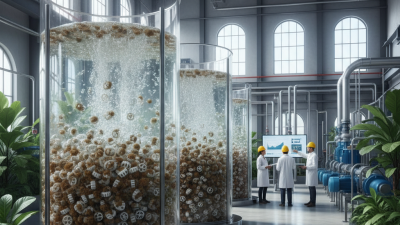
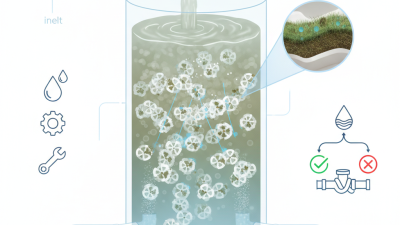
The MBBR (Moving Bed Biofilm Reactor) bioreactor has emerged as a game-changer in industrial wastewater treatment. According to a recent industry report by the Water Environment Federation, MBBR technology can enhance treatment efficiency by up to 50% compared to traditional systems. This efficiency stems from the bioreactor’s design, which utilizes biofilm carriers to maximize surface area, resulting in superior organic matter breakdown.
Additionally, the global market for MBBR technology is projected to grow at a CAGR of 7.5% from 2023 to 2030. This growth reflects increasing environmental regulations and a push for sustainable industrial practices. MBBR bioreactors not only improve nitrogen removal rates but also allow for adaptability in varying operational conditions. However, some challenges remain, such as biofilm detachment and reactor fouling, which require ongoing research and development. These details indicate the importance of continuous improvement in MBBR technology to fully realize its potential benefits in various industries.
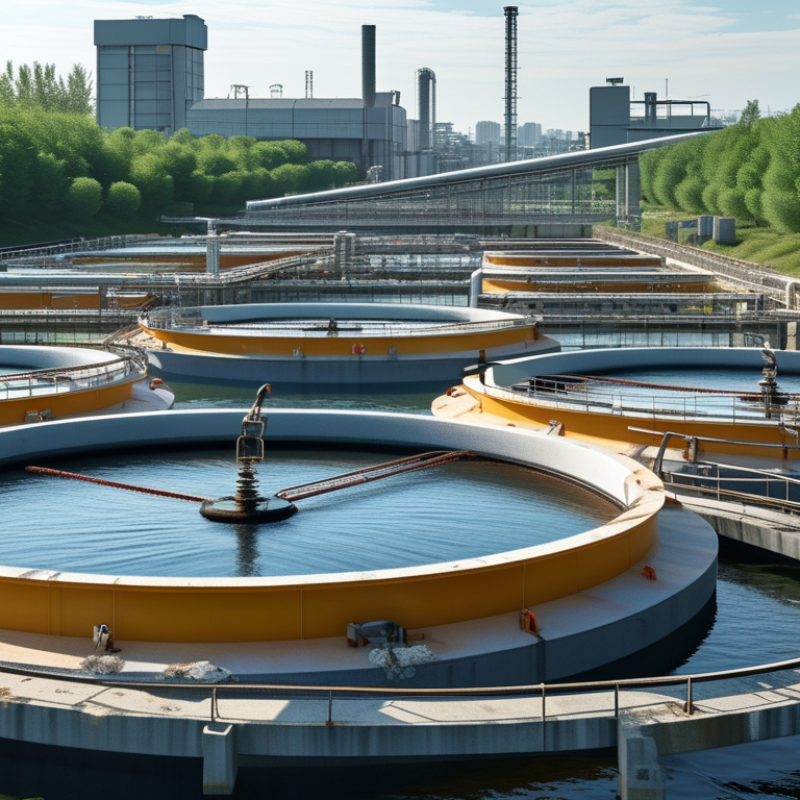
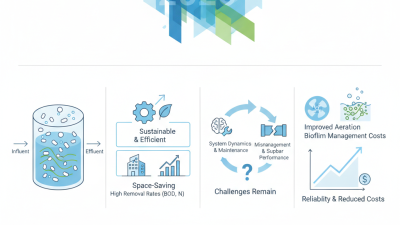
MBBR (Moving Bed Biofilm Reactor) technology is transforming wastewater treatment in industrial applications. Its efficiency stems from the ability to maintain a high biomass concentration without the need for complex mechanical systems. According to industry reports, MBBR systems can achieve over 90% removal efficiencies for BOD and TSS, making them significantly effective for industrial effluents. This level of efficiency is crucial for industries facing strict regulatory requirements.
The design of MBBR systems allows for a compact footprint, which is vital in urban settings. Facilities can save space while increasing treatment capacity. The operation is simplified by using biofilm carriers, which enhance contact between microbes and pollutants. However, some industries may find it challenging to adapt existing infrastructure to MBBR technology. Transitioning can be resource-intensive and may require staff training on new processes.
Yet, the long-term benefits often outweigh these initial hurdles. MBBR systems reduce energy consumption by up to 30% compared to traditional methods, according to recent studies. This reduction not only lowers operational costs but also contributes to sustainability goals. Despite the advantages, ongoing optimization and monitoring are necessary to prevent biofilm clogging and ensure consistent performance. Each facility must evaluate its unique needs before fully committing to MBBR technology.
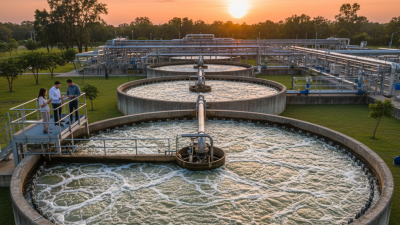
The Moving Bed Biofilm Reactor (MBBR) system significantly enhances biomass retention rates, which is essential for industrial applications. Studies show that MBBR systems can achieve biomass retention rates upwards of 95%. This is a drastic improvement compared to traditional activated sludge systems, which typically maintain rates around 50-80%. The ability to retain a higher concentration of microbial populations leads to more efficient nutrient removal and better overall treatment performance.
One strong advantage of MBBR technology is its minimal footprint. As biomass is retained on plastic carriers, it reduces the need for larger tanks. This results in lower capital expenditures. A report by the International Water Association indicated that facilities using MBBR technology could reduce construction costs by up to 30%. However, challenges remain. Not all MBBR systems adequately control the growth of filamentous bacteria, which can lead to inconsistent treatment quality. Continuous monitoring and adjustments are required to maintain performance.
Integration of MBBR into existing treatment processes offers another layer of complexity. While improving biomass retention can enhance efficiency, operators must be skilled in managing such systems. Data from recent industry surveys show that training on MBBR operations is crucial for successful implementation. Though the benefits are clear, the need for informed decision-making shouldn't be overlooked. Balancing the advantages with potential operational hurdles is essential in optimizing treatment systems.
| Benefit | Description | Impact |
|---|---|---|
| Improved Biomass Retention | High retention rates of biomass lead to enhanced treatment efficiency. | Higher efficiency results in better effluent quality. |
| Compact Design | Space-saving design that fits into smaller industrial setups. | Reduces the overall footprint of wastewater treatment facilities. |
| Flexibility | Can handle varying flow rates and organic loads effectively. | Ensures consistent performance through changing conditions. |
| Reduced Sludge Production | Lower sludge volumes compared to traditional systems. | Decreases disposal costs and simplifies treatment processes. |
| Enhanced Mass Transfer | Improved oxygen transfer rates due to increased surface area. | Leads to faster biochemical reactions and better system performance. |
| Robust Operation | Less sensitive to shock loads and variations in feed quality. | Ensures stable operation under fluctuating conditions. |
| Lower Energy Consumption | More efficient energy use compared to conventional systems. | Reduces long-term operational costs. |
| Easy Retrofits | Can be easily integrated into existing treatment facilities. | Minimizes downtime during upgrades. |
| Improved Nitrogen Removal | Higher efficiency in removing nitrogen compounds from wastewater. | Ensures compliance with stringent discharge regulations. |
| Cost-Effective Over Time | Initial investment is offset by long-term savings in operations. | Provides a sustainable solution for wastewater treatment. |
MBBR bioreactors are gaining attention for their efficiency in waste treatment. One notable benefit is their ability to significantly reduce bad odors. Reports indicate that improper waste management results in odorous emissions, impacting air quality and surrounding communities. MBBR systems utilize biofilms on carriers to break down organic matter effectively. This process minimizes harmful odor compounds, creating a cleaner environment.
Pathogen removal is another critical advantage of MBBR technology. Studies have shown that MBBR reactors can achieve up to 99% removal rates for various pathogens. This capability is essential for industries where health and safety are paramount. Traditional methods may not provide adequate pathogen elimination, leading to potential health risks. Using MBBR, industries can ensure compliance with health standards and support public health initiatives.
While MBBR systems show great promise, some challenges remain. Not all facilities optimize their setup for maximum efficiency. Operators must be trained to monitor biofilm growth closely. Inadequate control can lead to uneven distribution of microorganisms, impacting both odor control and pathogen removal. Ultimately, continuous improvement is essential to achieve the full benefits of MBBR technology.
MBBR systems offer significant operational cost savings for industries. These bioreactors optimize the use of resources, minimizing waste while maximizing efficiency. By utilizing biomass, they effectively handle high loads of organic material. This leads to lower treatment costs. The reduced need for chemicals is another financial advantage. Companies can allocate funds to other essential areas.
Energy efficiency is a hallmark of MBBR technology. These systems adapt well to varying loads, ensuring consistent performance. They require less energy for aeration compared to traditional methods. This adaptability can lower energy bills, which is crucial for operational budgets. However, installation and ongoing maintenance can require investment. Thus, facilities must weigh upfront costs against long-term savings.
It’s worth considering that not every facility may see immediate returns. Some might struggle with the adjustment period during implementation. Yet, as more institutions adopt MBBR systems, they report improved processing times and better effluent quality. The energy efficiency and cost-effectiveness make this approach compelling, but careful planning remains essential.
The MBBR bioreactor technology stands out for its flexibility in design, making it a favorable choice for industrial applications. Industries can customize it according to specific treatment needs. This adaptability allows for variations in size and configuration, accommodating different scales of operation. Whether used in food processing or chemical manufacturing, MBBR systems can be tailored to fit.
Scalability is another significant advantage. As production demands change, these bioreactors can expand without the need for major overhauls. Industries can begin with a smaller setup and scale up efficiently to meet increased wastewater treatment requirements. The modular nature of MBBR systems makes this transition smoother and cost-effective.
However, limitations exist. Not all MBBR designs are optimal for every situation. Some may require frequent maintenance, while others may lack efficiency in low-load conditions. This inconsistency warrants careful consideration. Adapting the system to specific industrial needs is crucial. As with any technology, continuous evaluation and adjustment ensure that the MBBR bioreactor delivers its maximum potential.