2026 Best MBBR Bioreactor Technologies for Wastewater Treatment?
In recent years, the demand for sustainable and efficient wastewater treatment solutions has surged. One of the standout innovations in this area is the MBBR bioreactor. This technology integrates biofilm and suspended growth processes to enhance treatment efficiency. The MBBR bioreactor is notable for its flexibility and robustness, adaptable to varying wastewater compositions.
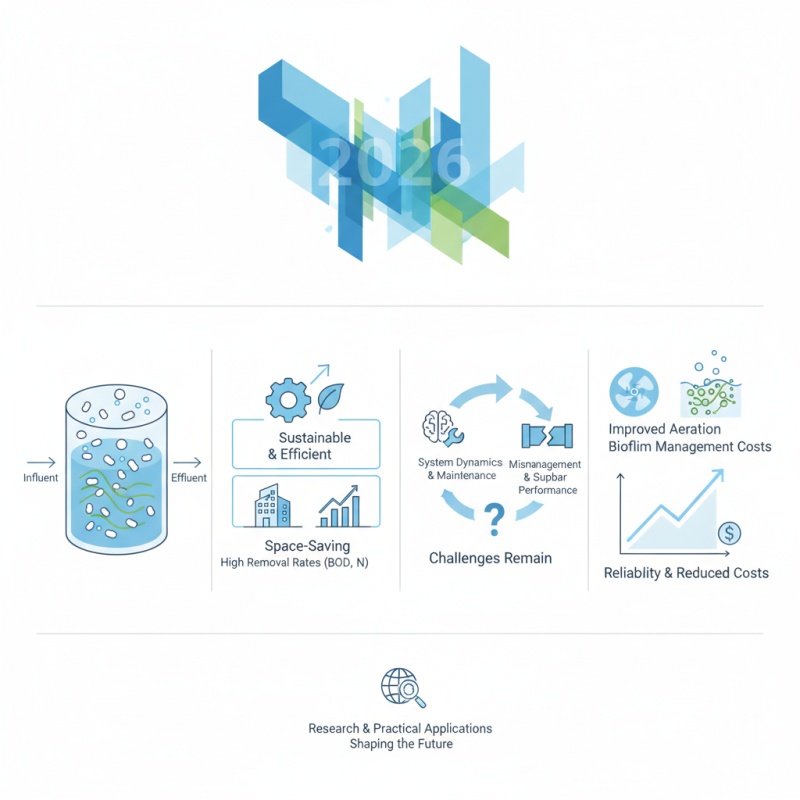
Investing in MBBR technology could yield significant benefits. It offers space-saving advantages and can achieve high removal rates for BOD and nitrogen. However, challenges remain. Operators must understand system dynamics and maintain optimal conditions to avoid common pitfalls. Mismanagement can lead to subpar performance, highlighting the need for ongoing expertise.
As industries look towards 2026, innovative designs in MBBR bioreactor technologies emerge. Advancements focus on improving aeration strategies and biofilm management. These enhancements aim to bolster the system's overall reliability while reducing operational costs. Continued research and practical applications will play a crucial role in shaping the future of wastewater treatment.
Overview of MBBR Bioreactor Technologies in Wastewater Treatment
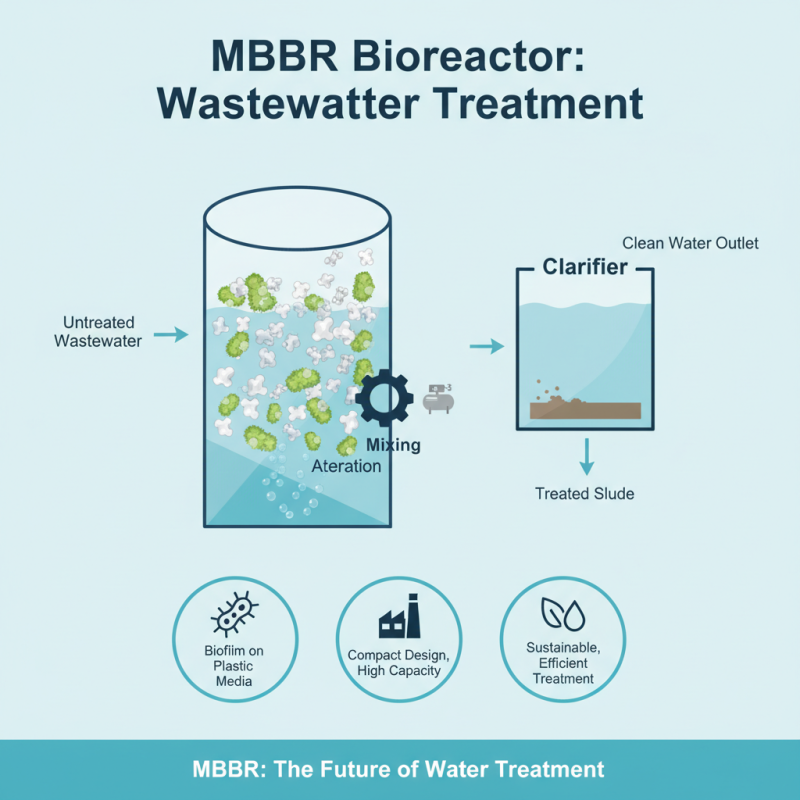
MBBR (Moving Bed Biofilm Reactor) technology has emerged as a sustainable solution for wastewater treatment. It combines the advantages of activated sludge and biofilm processes. In this system, plastic media provide surface area for microorganisms. These microbes break down pollutants effectively. The compact design allows for increased treatment capacity in smaller spaces.
MBBR systems have proven resilient and flexible. However, they require careful monitoring to optimize performance. Factors like temperature, loading rates, and media design play vital roles. Sometimes, this technology may experience biofilm sloughing, leading to inefficiencies. Operators must be prepared to manage these challenges.
An ideal MBBR setup balances hydraulic and organic loads. Advanced monitoring tools can provide real-time data. This enhances decision-making for operators. As cities grow, adopting MBBR technology could be crucial. It offers a path toward efficient and reliable wastewater management. Yet, continued research and adaptation remain essential for improvement.
Key Features and Benefits of MBBR Systems in 2026
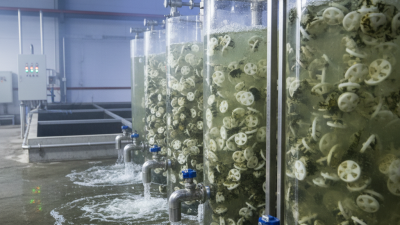
In 2026, Moving Bed Biofilm Reactors (MBBR) stand out in wastewater treatment. These systems use biofilm attached to plastic carriers. This design enhances microbial growth and improves treatment efficiency. The biofilm's surface area maximizes contact between microorganisms and wastewater. The result? Higher pollutant removal rates.
MBBR systems offer several advantages. They adapt to varying wastewater flows. Flexibility is crucial for different industries. Additionally, MBBR requires less maintenance than traditional systems. Operators appreciate the reduced downtime. However, challenges exist, such as potential biofilm detachment. This can impact performance. Continuous monitoring is essential to maintain system efficiency.
The compact design of MBBR units allows installation in limited spaces. This is beneficial for urban areas facing space constraints. Despite this, proper sizing and design are vital. Oversizing can lead to inefficiencies, while undersizing may not meet treatment goals. A careful balance is necessary for optimal functionality.
Comparative Analysis of MBBR vs. Traditional Wastewater Treatment Methods
The comparison between Moving Bed Biofilm Reactor (MBBR) systems and traditional wastewater treatment methods reveals significant distinctions. MBBR systems utilize biofilm technology on media submerged in aerated tanks, improving efficiency considerably. According to a recent industry report, MBBR can achieve up to 90% removal rates for biochemical oxygen demand (BOD) and total suspended solids (TSS), surpassing conventional methods that typically reach about 70-80%.
MBBR processes are also more space-efficient. A comparative study showed that MBBR requires around 30-50% less footprint than activated sludge systems. This is crucial for urban areas where space is limited. MBBR systems have lower energy consumption as well. Estimates suggest up to a 40% reduction in energy use due to optimized operational parameters.
**Tip:** When considering a wastewater treatment upgrade, assess space and energy documentation. Look for data that exemplifies efficiency improvements. Be cautious of claims that sound too good. Always validate against third-party industry reports. Understanding the metrics will guide decision-making effectively.
Comparative Analysis of MBBR vs. Traditional Wastewater Treatment Methods
Recent Innovations and Trends in MBBR Bioreactor Designs
Recent innovations in Moving Bed Biofilm Reactor (MBBR) designs have significantly impacted wastewater treatment. These advancements enhance bioprocess efficiency while maintaining a compact footprint. The global MBBR market was valued at approximately $450 million in 2022 and is expected to grow at a CAGR of over 8% through 2030, according to industry analyses. Such growth reflects increased demand for sustainable wastewater solutions in various sectors.
Enhanced media configurations are one notable trend. Developers are focusing on biofilm carrier materials that improve microbial attachment and growth. Innovative designs utilize various shapes and surface textures in carriers. These modifications lead to higher processing rates and improved treatment abilities. Some reports suggest that optimized carriers can enhance biomass retention by up to 30%.
However, challenges remain in MBBR implementation. One key issue is the need for continuous monitoring to maintain optimal conditions. Operators often face difficulties in maintaining the balance of hydraulic and organic loading. Variations in wastewater characteristics further complicate treatment efficiency. As the industry advances, the focus on addressing these operational shortcomings will be crucial for maximizing the potential of MBBR technologies.
Future Prospects for MBBR Technology in Sustainable Waste Management
MBBR technology is gaining momentum in sustainable waste management. This is due to its efficiency and adaptability. Wastewater treatment facilities are under pressure to reduce their environmental footprint. The global market for MBBR systems is projected to grow significantly, reaching over $1.5 billion by 2026. Such growth highlights the increasing reliance on efficient technologies.
Research shows MBBR reactors can reduce total nitrogen by 60% to 80%. This is crucial for meeting stringent regulatory standards on wastewater discharge. Additionally, MBBR systems are known for their lower energy consumption. They can operate effectively in varying conditions, making them versatile for different treatment needs.
However, challenges remain. For example, the initial installation cost of MBBR systems can be high. Not all treatment facilities may have access to the technical expertise required for optimal operations. Continuous advancements are needed to enhance these systems further. The ongoing research in biofilm carriers is promising. New materials could lead to even better performance and sustainability of MBBR processes in the future.
2026 Best MBBR Bioreactor Technologies for Wastewater Treatment
| Technology |
Efficiency (%) |
Average Cost ($/m³) |
Energy Consumption (kWh/m³) |
Sustainability Rating |
| Advanced MBBR |
95% |
1.50 |
0.5 |
A+ |
| Hybrid MBBR |
92% |
1.20 |
0.4 |
A |
| Biofilm MBBR |
90% |
1.00 |
0.6 |
B+ |
| Membrane MBBR |
96% |
2.00 |
0.3 |
A++ |
| Integrated MBBR |
94% |
1.70 |
0.5 |
A+ |

 +86 13600513715
 CONTACT NUMBER
 CONTACT NUMBER